What Are the Different Types of Hex Head Screws and Their Uses
What Are Hex Head Screws?
Hex head screws rank as some of the most common fasteners in building work, factories, and machine setups. Their six-sided head shape makes it simple to use tools like wrenches or sockets. This gives a firm hold, even in narrow spots. People often pick them for big structural jobs and small machine parts. They offer a good mix of power and flexibility. In my experience from site visits, these screws hold up well in everyday rough conditions, like on construction floors where dust and dirt fly around.
Basic Definition and Characteristics
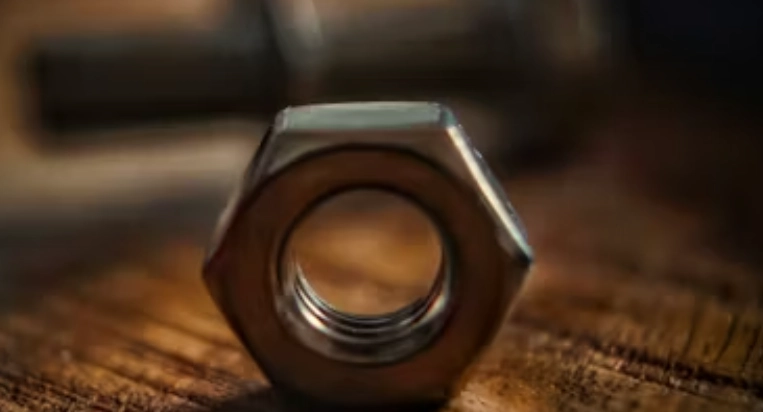
A hex head screw has a head with six flat sides. This shape gives several spots to apply turning force. It spreads the push evenly over the head. That cuts down on slips or damage during setup. The hex form lets you turn it harder than other types, such as Phillips or slotted ones. Those can wear out faster under heavy pull. For instance, in a workshop I saw once, workers used them to tighten parts without any head rounding, saving time on fixes.
Common Materials Used
Makers create these screws from different stuff based on the job. Steel stands out as the top choice. It has strong pull strength and keeps costs low. Stainless steel types fight off rust well. So they work great in open air or near water. Brass hex head screws show up less often. But folks like them for looks and rust protection in pretty setups or wiring jobs. In big factory spots, alloy steel kinds get heated to make them tougher against wear and tiredness. One time, on a bridge project, stainless ones lasted years without a single spot of rust, even after heavy rain seasons.
Standard Sizes and Measurements
Hex head screws come in many widths and lengths to fit all sorts of engineering tasks. Metric ones measure in small units called millimeters, like M6 × 20. Imperial sizes use inches, such as 1/4″ × 1″. The space between threads, or number of threads per inch (TPI), sets how well it grabs the matching piece. Picking the right size spreads the weight right. It also stops threads from tearing during use. Think about a car repair shop: wrong size could mean a loose part, but the right one keeps everything steady for miles of driving.
How Are Hex Head Screws Classified?
People sort hex head screws by things like thread length, thread spacing, and size system. Knowing these differences helps pick the best one for your project’s needs. It’s not just about grabbing any screw off the shelf; it matters for safety in real builds.
Full Thread vs. Partial Thread
Full-thread hex head screws have threads all the way down their length. This gives the best hold for thin stuff or spots that need a tight grab through the whole join. Partial-thread types have a smooth part near the head without threads. That boosts strength against side pulls and helps line up parts in strong joins where weight matters a lot. In wooden frames, full threads pull everything close, while partial ones handle side forces better, like in earthquake zones.
Coarse Thread vs. Fine Thread
Coarse-thread screws have fewer twists per inch. They go in fast and hold up better in soft stuff like wood or light metals without breaking threads. Fine-thread ones pack more twists per inch. They give closer fits and stronger grips in tough metals. This helps fight shakes, which shows up in car motors or exact tools. I’ve noticed in auto shops that fine threads stay put after bumpy roads, unlike coarser ones that might wiggle loose.
Metric vs. Imperial Sizing Systems
Metric sizes use millimeters for width and length. Imperial ones stick to inches. For jobs with parts from around the world or foreign machines, check which system fits first. That avoids mix-ups between pieces made in different places. A small mismatch, say 6mm versus 1/4 inch, can throw off the whole setup and lead to weak spots.
What Are the Different Types of Hex Head Screws?
Several special kinds of hex head screws exist for certain tasks. Each one tweaks size, thread style, or outer coat a bit. But they all keep the same six-sided turning part that marks this group. It’s handy how they adapt without losing that core strength.
Hex Cap Screws
Hex cap screws get made with close size controls, tighter than regular bolts. They often have a flat ring spot under the head to spread weight evenly when you tighten. Folks use them where exact fits count, like putting together machine bases or linking metal sheets under moving forces. In a factory tour, I watched them bolt heavy frames that hummed all day without a wobble.
Tap Bolts
Tap bolts look a lot like hex cap screws. But they have threads running the full length. This setup suits holes that go all the way through, where nuts lock both sides. Since they grab along the whole body, tap bolts give top clamping power for parts that need to stay pressed tight over long periods. They’re a go-to for machine housings that face daily wear.
Hex Lag Screws
Hex lag screws, sometimes known as lag bolts, come with rough, pointy threads that dig deep into wood without needing a pre-made hole. They shine in wood building, deck setups, and big frame work where pulling out is a big no. Their sturdy build lets them tie down large wood pieces firmly, even with changing weights. On a deck job I recall, they held planks steady through winter storms, no shifts at all.
How Are Hex Head Screws Used in Construction?
In building sites, hex head screws act as key links for many materials, from metal frames to wood beams. Their steady work and simple setup make them a favorite. They pop up everywhere, from small fixes to giant structures.
Structural Applications in Building Frameworks
Hex head screws tie steel posts, wood roof supports, and ready-made wall sections on work sites around the globe. They take side pushes well. This keeps buildings solid against wind gusts or ground shakes. In high-rise projects, they’ve saved the day by holding beams that sway but never break.
Fastening Roofing Materials and Metal Sheets
Paired with flat rings and rubber seals, hex head screws nail down roof sheets or metal walls against weather hits. The mix stops water from sneaking in. It also keeps a snug fit after heat stretches from hot and cold days. Roofers swear by them for leaks that never happen, even after hail storms.
Assembly of Heavy Machinery and Equipment
In factory floors or farm tool lines, hex head screws keep big machine pieces together under shakes and twists. Their steady action under stress means safe runs for years. One assembly line I visited used hundreds daily, and downtime was rare thanks to these reliable fasteners.
Why Choose Hex Head Screws Over Other Fasteners?
Going with hex head screws brings real perks in strength beyond basic holding. They shine in spots where things can’t go wrong. Plus, they’re straightforward, which busy workers appreciate on tight schedules.
Superior Torque Application
The six flat sides let you twist harder with tools without harming the head shape. This proves key in setups with constant shakes or repeated pulls. In engine builds, that extra turn keeps parts from flying apart during tests.
Versatility Across Various Materials
Hex head screws work well from dense woods to shiny steel panels. Their many thread choices and covers like zinc coats or rust-proof dips boost hold against outside dampness. They’re like the all-rounder tool in a toolbox, fitting most jobs without fuss.
Enhanced Durability and Load-Bearing Capacity
Top steel types keep their pull power even in hot spots or under squash forces in key joins. Add flat rings and lock bits, and they stay firm without coming loose as time passes. In bridges over busy rivers, they’ve carried truck loads for decades, no complaints.
What Are the Considerations When Selecting Hex Head Screws?
Choosing the correct type means looking at weather, force needs, and rule follows for your job details. Skip this, and you might face early breakdowns. It’s worth the extra check.
Material Compatibility with Application Environment
Near sea water or chem plants with high rust danger, go for stainless steel or covered plain steel. Skip bare carbon ones that spot up quick. In coastal builds, this choice has turned potential rust buckets into long-lasting setups.
Required Load Capacity and Mechanical Strength
Each screw level matches pull ratings from rules like ASTM A307 for everyday bolts or ISO 898-1 for metric ones. Line these up with what the job demands to dodge tired breaks over time. Engineers often double-check this step; it’s saved many a project from overload fails.
Compliance with Industry Standards
Make sure your picks follow known rules such as ASTM F3125 for build bolts or ISO 4014 for metric matches. This guarantees even work from sellers everywhere. Non-compliant ones? They might look fine but fail under real tests, as some old sites have shown.
How Do You Properly Install Hex Head Screws?
Good setup boosts link trust; top screws flop if done wrong. Follow steps, and they’ll perform as promised. Rushed jobs often lead to call-backs, which nobody wants.
Tools Required for Installation
Grab wrenches or socket kits that fit the hex shape just right. Power tools speed things up. But set them to control twist force. That stops overdoing it on touchy parts. A basic kit with a torque wrench is all most sites need for solid results.
Techniques for Ensuring Secure Fitment
Turn steady until it’s tight, not by jamming hard once in place. Calibrated twist tools give even pull across all links in a build. This matters big for weight-holding frames. Workers who use this method see fewer loose bits down the line.
Common Mistakes to Avoid During Installation
Twist too much, and you tear inner threads or bend spots under rings. Twist too little, and spaces form that let parts shift. That leads to loose joins from shakes on sites. I’ve seen over-tight ones snap on vibration tests, while under ones rattled apart in weeks.
FAQ
Q1: What distinguishes a hex cap screw from a regular bolt?
A: A hex cap screw has tighter manufacturing tolerances and a washer face beneath its head for precise clamping compared with standard bolts used mainly for non-critical connections. It’s like the precision version for jobs needing exact holds.
Q2: Can stainless steel hex head screws be used outdoors?
A: Yes, stainless steel provides excellent corrosion resistance against moisture exposure making it ideal for outdoor installations including marine environments. They’ve held up in salty air for years without issues.
Q3: Why would someone choose fine-thread over coarse-thread versions?
A: Fine threads offer better holding power in hard metals where vibration occurs frequently though they require more turns per insertion compared with coarse ones suited for softer materials like wood. In shaky machines, this makes all the difference.
Q4: Are metric hex head screws interchangeable with imperial ones?
A: No; metric uses millimeters while imperial uses inches so mixing systems can cause misalignment between hole sizes leading potentially unsafe fits during assembly work. Always measure twice to avoid that headache.
Q5: What’s the best way to prevent loosening after installation?
A: Use lock washers nylon inserts thread-locking compounds depending on application type—all maintain tension preventing rotation caused by vibration over time. Pick based on the spot; compounds work great for high-heat areas.


