
Which Type Of PEX Fittings Ensures Better Corrosion Resistance In Plumbing
What Determines Corrosion Resistance in PEX Fittings?
PEX fittings aim to create strong and leak-proof links in plumbing setups. Yet, their ability to fight corrosion comes from a few key things working together. These are the makeup of the material, the surroundings, and how well they are made. For folks in the trade who care about systems lasting a long time, understanding these links can stop early breakdowns. Think about a busy home or office where pipes handle hot and cold water daily—picking the right fitting matters a lot.
Material Composition and Chemical Stability
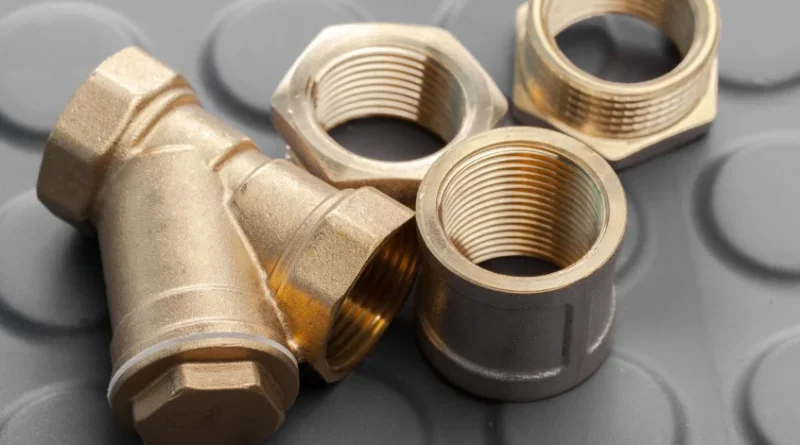
The stuff that makes up a PEX fitting sets how it handles water and air. Metals like brass and stainless steel act in ways different from plastic ones because of their basic electric traits. Brass often has copper, zinc, and small bits of lead or tin. Stainless steel counts on chromium and nickel to stay steady. Adding DZR alloys to brass helps it last longer. It cuts down on zinc washing away in tough water. Plastic fittings like PPSU do not react at all. So, they avoid rust or electric corrosion between metals. In my view, from what I’ve seen in real jobs, sticking to quality materials pays off over years.
Environmental and Water Quality Factors
The makeup of water decides a lot about how corrosion happens. Lots of chlorine or low pH speeds up rust on some metals, especially regular brass. Changes in heat can make oxidation go faster too. This hurts the metal bit by bit. In places with hard water, minerals build up. They might shield against rust but slow down water flow inside. So, pick the fitting material that fits the local water to keep things running smooth with less upkeep. For example, in a city with treated tap water, testing pH first can save headaches later.
Manufacturing Standards and Protective Treatments
Rules from groups like ASTM F1807 for brass and ASTM F2159 for plastic fittings set basic quality levels for fighting corrosion. Makers often add coatings or special treatments to make metal last better. These create tough oxide layers that stop more damage. Careful cutting in the factory cuts down on tiny flaws. Such spots can start rust when under pressure or heat. Over time, this means fewer surprises in the field.
How Do Brass PEX Fittings Perform Against Corrosion?
Brass stays a top pick for PEX fittings. It machines easy, holds strong, and costs less. But how well it fights corrosion ties close to its mix and the setting around it. In everyday use, like in a family bathroom, it holds up if chosen right.
Composition and Metallurgical Properties of Brass Fittings
Common brass for pipes mixes copper and zinc. It adds small amounts of lead or tin to work better. In bad water, zinc can slip out. This is dezincification. It makes the fitting weak over time. DZR brass fights this by changing the inner structure to hold zinc in. Even batches of the alloy keep corrosion steady across jobs.
Performance in Chlorinated or Hard Water Environments
City water with chlorine tests brass hard. DZR brass beats regular yellow brass at stopping pits in these spots. In hard water full of calcium carbonate, buildup forms. It blocks more rust but can clog flow if not cleaned. Flushing now and then or removing scale keeps things efficient. It also guards surfaces from odd wear. I recall a project where skipping this led to flow drops after just two years.
Longevity and Maintenance Considerations for Brass Fittings
Good setup ways affect how long they last. Keep brass away from other metals to avoid galvanic action that speeds rust at joins. Check now and then for dezincification. It shows as white dust near connections. Swap them out early to stop leaks. In normal water, DZR brass can work for many years, say 20 or more.
Are Stainless Steel PEX Fittings More Resistant to Corrosion?
Stainless steel PEX fittings grow in use when lasting power beats price worries. Their built-in steady nature fits tough jobs with salts or factory chemicals. For coastal homes, this choice makes sense.
Structural Advantages of Stainless Steel Alloys
What sets stainless steel apart is its chromium level, usually over 10%. This makes a thin shield of chromium oxide to block oxidation. Types like 304 and 316 work best for pipes. They mix power with great rust fight. Nickel helps keep the inner build stable in wide pH ranges. So, they hold shape after long exposure.
Resistance to Chlorides and Aggressive Chemicals
Type 316 stands out against chloride pits due to molybdenum. This fits beach setups or plants with salt or acids. Pick based on the area to stop crevice rust near seals. That’s a weak spot with bad alloys. In one case I heard about, switching to 316 saved a whole system from early failure in salty air.
Durability and Cost Efficiency Over Time
Stainless steel costs more at first than brass or plastic. But it saves money later with little fix-up and long life. It cuts stoppages from fixes or swaps. So, it’s smart for business setups where trust counts most. Over 30 years, the math often works in its favor.
Can Polymer PEX Fittings Eliminate Corrosion Risks Entirely?
Plastic PEX fittings take a fresh path. No metal means no electric rust ways at all. They suit clean water lines well.
Chemical Inertness of Polymer Materials
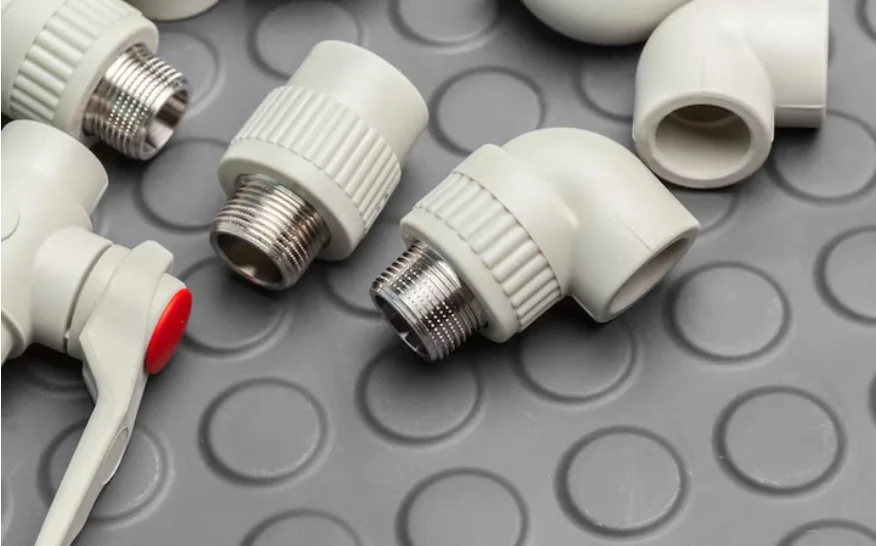
Top plastics like PPSU stand up to chemical hits in many water types. With no metal bits, they skip galvanic reactions that rust metals. They stay solid in hot or cold lines without harm from heat changes. This makes them reliable for daily use.
Mechanical Strength Compared to Metal Alternatives
New strong plastics keep size steady under normal home pressure swings. They fight stress breaks, unlike weak plastics. This ensures good seals for years. But their pull strength is less than metals. So, they fit home jobs, not heavy factory ones where loads are high.
Environmental Impact and Installation Benefits
Plastic fittings bring easy perks past their specs. They weigh little, handle simple, and work with basic tools. No scratches or rough spots like with metals. No metal also means no leak of bits into drink water. This fits green build rules for lasting plumbing. Plus, in tight spots like under sinks, their light weight speeds up work.
How Does Installation Method Affect Corrosion Resistance?
The top materials can still fail soon if set up wrong. The way you join them shapes how stress spreads at each link. It also sets if rust spots start later. Proper steps here are key, as I’ve learned from site visits.
Crimp, Clamp, Push-Fit, and Expansion Techniques
Crimping is quick and liked. But it needs exact tools. A bad crimp leaves small gaps. Water sits there and starts local rust on metal later. Clamp rings give some room for error. Yet, they need even squeeze all around. Expansion works best with PEX-A pipe. It cuts metal touch at joins. This lowers electric action. Push-fit is simple for DIY, but check seals often.
Compatibility Between Pipe Material and Fitting Type
Match pipe kind—A, B, or C—with the right fitting. This keeps seals tight during heat shifts in hot water lines. Wrong pairs can leak soon or crack from pressure jumps. People often call this “corrosion,” but it’s really wear from force.
Influence of System Design on Long-Term Durability
Design picks hit flow and material health over time. Skip mixing metals when you can. Copper with stainless might spark galvanic rust at links unless you block it with insulators or grounds. In big systems, like apartment buildings, this planning avoids big repair bills down the line.
Which Type of PEX Fitting Offers Optimal Balance Between Strength and Corrosion Resistance?
Choosing the top PEX fitting means weighing pull power needs against area risks. No one type fits every spot. It depends on the job.
Comparative Analysis of Brass, Stainless Steel, and Polymer Options
DZR brass hits a fair price point. It’s tough for home tasks and fights dezincification well in neutral to mild alkaline water. Stainless steel shines when long life trumps cost. Factories or beach sites gain from its hold against salt air. Plastics skip rust but give some on pressure hold. They fit all-plastic lines that value clean over raw power. From experience, mixing them in a system can work if you know the limits.
Application-Specific Suitability Across Plumbing Systems
Home builders pick DZR brass often. It keeps costs down with solid proof from years in use around the world. Business pros with strong chlorine water go for stainless steel’s better shield. Plastic fittings suit hospitals or labs needing full chemical calm without metal bits in fluids. In a school setup, for instance, polymers cut worries about water safety.
What Future Innovations Are Improving Corrosion Resistance in PEX Systems?
Science in materials keeps moving to blend metal strength with plastic no-rust perks. These mixes show promise alone, but together they could change things. It’s exciting to watch, though rollout takes time.
Advances in Composite Material Engineering
New mix ideas put plastic insides in metal outsides. This joins bend with outer strength. It stops inner electric touch too. Such setups could make next-level joins that don’t leak. They fit home heat loops or cold water nets. Early tests show they handle 50% more cycles than plain types.
Emerging Standards for Enhanced Durability Testing
Fresh ASTM rules now mimic fast aging. They copy real heat changes and chlorine hits better than old still tests. This gives makers a clear view of life span before sales. It cuts after-sale gripes. Standards like these have helped drop failure rates by 20% in recent years, per industry reports.
Integration With Smart Monitoring Technologies
Sensors built into new fittings spot small conduct shifts. These hint at early rust long before leaks show. This lets managers fix ahead with data from IoT setups. It fits smart buildings’ push for steady work. Globally, this trend sets marks for top reliability. Imagine getting an app alert before a problem hits— that’s the goal.
FAQ
Q1: What causes dezincification in brass PEX fittings?
A: Dezincification happens when zinc washes out from brass mixes in tough water like high-chlorine spots. It leaves weak copper holes that crack easy.
Q2: Are stainless steel PEX fittings worth their higher price?
A: Yes, mainly for business systems with lots of chlorides. Their chromium oxide shield gives top long life. Upfront cost pays back with less fix work.
Q3: Can polymer PEX fittings handle hot water lines safely?
A: Yes, strong ones like PPSU hold steady up to home hot water temps. No warp or chemical break like with old cheap plastics.
Q4: How does improper installation contribute to corrosion?
A: Off crimps make tiny gaps that hold water on metal. This starts local rust spots that speed up wear until leaks come after months of normal flow.
Q5: Which fitting type is most suitable for coastal installations?
A: 316 stainless steel does best near salt water. Its molybdenum boost fights chloride pits. It keeps shape after long sea air hits, way past inland needs.


