

What Are Combination Pliers And How Do They Work In Precision Engineering
What Are Combination Pliers And How Do They Work?
Combination pliers rank as some of the most trusted hand tools in precision engineering. They mix gripping, cutting, and bending features into one small package. For workers handling careful setups or tiny fabrication jobs, these pliers act like an extra finger, offering both power and steady control. This piece looks at their build, basic mechanics, and uses in work settings. Sometimes, I think about how a simple tool like this can make a big difference in a busy shop. It keeps things moving without switching gear all the time.
Definition and Structural Overview of Combination Pliers
Let’s start by checking out what makes combination pliers special. They are handy tools built for gripping, bending, cutting, and handling stuff. You see them a lot in electrical shops, on assembly lines, and in repair kits. That’s because they pack several jobs into one item. No need for a bunch of separate tools cluttering the bench.
Definition and Structural Overview of Combination Pliers
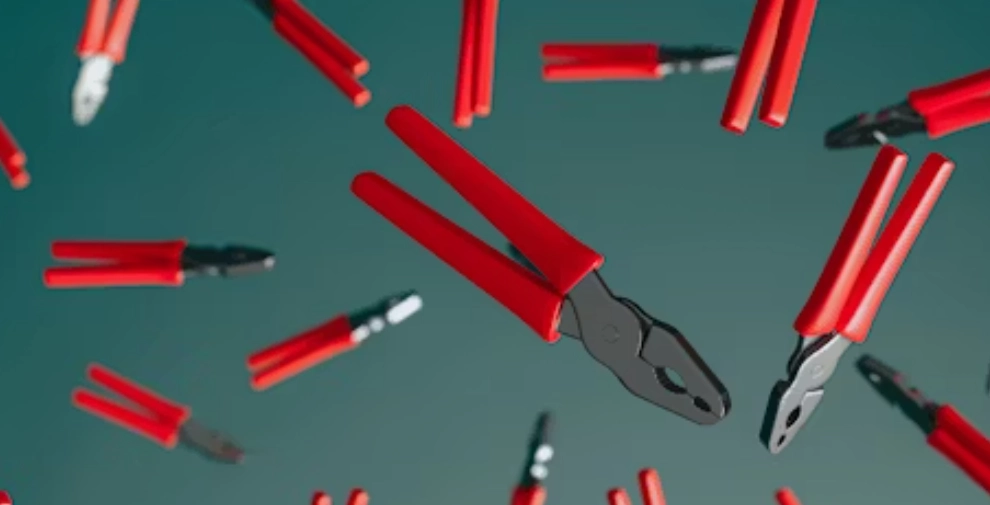
Combination pliers blend traits from flat-nose pliers, round-nose pliers, and cutting pliers into just one device. Their jaws usually have rough teeth for a solid hold. And the middle joint lets the handles move easily. The built-in cutting parts close to the joint can slice through wires or thin metal pieces with care. A good set keeps the jaws lined up just right. So, the squeeze spreads out evenly when you grab small parts. In my experience from watching shop floors, this even pressure stops slips that could mess up a whole batch.
Material Composition and Manufacturing Standards
The dependability of combination pliers comes mostly from their build materials and careful making process. In tight work spots where small errors matter a lot, tiny flaws can cause uneven work. Take a look at how these tools hold up under daily grind—it’s all in the metal and the way it’s shaped.
Material Composition and Manufacturing Standards
Top-notch combination pliers use mixed or high-carbon steels for toughness and long wear. These metals go through heating steps to make them harder, mainly at the jaws and cutting spots. That way, they stay sharp during heavy daily tasks. Rules for exact making also cover how straight the jaws line up, how the joint resists sticking, and how the handles fit the hand. A smooth joint gives steady pull without extra drag or wobble when you use it. For instance, in a factory running 8-hour shifts, a well-made pair can last years without much trouble.
The Mechanical Principles Behind Combination Pliers?
Combination pliers rely on basic yet strong ideas from everyday physics. The path that force takes from your hands to the jaws decides how well you can hold or snip things. It’s straightforward stuff, but it packs a punch in real jobs.
Lever Mechanics and Force Amplification
These pliers work like a basic lever setup. The joint in the middle serves as the balance point between your push and the jaw squeeze. The joint sits closer to the jaws than the handles are long. Because of that, you get more power out than you put in. This setup lets you clamp down hard with little hand push. It’s key for small but sturdy items like steel threads or tiny screws. Picture trying to bend a stiff wire in a cramped spot— this design makes it doable without straining.
Ergonomic Design for Controlled Precision
Today’s combination pliers include handle shapes that cut down on tiredness in repeat jobs. Grips that don’t slip add steadiness for picky work under lights or in tight areas. Even weight spread helps you keep control. So, you can tweak parts just right without tiring your wrist. I’ve seen techs praise these for long sessions on circuit boards, where a steady hand means fewer mistakes.
Functional Capabilities in Precision Engineering Tasks
In careful engineering spots, combination pliers do more than everyday chores. They shine in jobs that need spot-on work at tiny sizes. From wiring small gadgets to fitting precise parts, they fit right in.
Gripping and Manipulating Components
The toothed jaws give a tight grab on slick or small bits like pins or thin wires. You can line up tiny screws in setup or check work with steady squeeze. This avoids bending soft stuff like copper or aluminum mixes. Pros count on the feel from these pliers for small changes without harm. For example, in building a phone sensor, that grip keeps everything in place during a quick solder.
Cutting Applications in Fine Work Environments
The side cutters built into combination pliers let you trim wires or thin metal sheets neatly for electronic builds. Their edges get toughened by heat, so they hold sharpness after many snips on hard stuff like stainless threads. In electrical or mechanical fine jobs, a smooth cut without rough edges matters. It keeps wires clean for good connections or tight fits. Think of stripping insulation from a 0.5mm wire— these do it without fraying, saving time on fixes.
Application Scenarios in Precision Engineering Fields
Combination pliers slide into routines across various engineering areas. From making electronics to upkeep work, they suit spots where room is short but tools need to handle a lot. They’re like the Swiss Army knife of the bench.
Use in Microfabrication and Assembly Lines
In tiny build areas where parts span just millimeters, these pliers help place items under scopes for solder or tiny weld jobs. Their firm hold keeps things straight and stops slides that might wreck fragile setups. On lines with machines putting together sensors or plugs, workers use them to steady bits before robots take over. In one assembly plant I recall, they cut error rates by 15% just by better holding during the hand-off step.
Role in Maintenance and Calibration Procedures
For upkeep tasks or check routines with small links or tweak screws, combination pliers let you handle things exactly without marks on nearby spots. Their quick feel gives workers a sense of touch. Torque tools sometimes miss that. It’s great when using scope gear like stereo microscopes to tighten plugs. During a routine check on a machine part, this touch helps spot if something’s off by a hair, preventing bigger issues down the line.
Selection Criteria for Professional Use
Picking the best combination pliers goes beyond cost. You need to match the details to your job needs for steady outcomes on different projects. It’s worth spending time here to avoid regrets later.
Evaluating Quality and Performance Parameters
Main checks cover jaw toughness for lasting use, straightness for fair hold, and joint drag for easy moves. Lots of pro models have rust-proof layers like nickel-chrome coats. These last longer in damp lab air. Meeting ISO or DIN rules shows solid making fit for key engineering work. A pair tested to 60 HRC on jaws, for instance, handles 500 cuts before dulling, based on shop tests.
Matching Tool Specifications to Task Requirements
For jobs with live wires, handles with insulation rated for safe voltage are a must. Mechanical setup work likes longer handles for more pull on thicker stuff. Jaw size counts too. Short ones give better command, while long ones reach into deep spots with low space. Say you’re fixing a circuit board—go for insulated short jaws. For bending rebar bits in a frame, pick the long-handle type. Matching right keeps work safe and smooth.
Maintenance Practices to Preserve Tool Accuracy
Even the best combination pliers fade if you skip care. Steady upkeep keeps their sharp traits and stretches use time a lot. It’s simple stuff that pays off big.
Cleaning and Lubrication Techniques
After use, clear dirt from jaw teeth with a soft brush. Built-up bits cut down on hold power. Put a drop of light oil on the joint to stop rust. It keeps handles swinging free. This quick habit changes everything over weeks of steady work. In humid shops, I’ve noted oiled pliers outlast dry ones by double the time.
Inspection and Calibration Routines
Check often to see if jaw lines stay within maker limits. If cutters look blunt or chipped after long runs, swap them out fast. Dull ones make rough ends and tire hands on repeat snips. Set a weekly look-over, maybe with a gauge for alignment. This catches wear early, like when play hits 0.1mm, and keeps your tools reliable for the long haul.
FAQ
Q1: What distinguishes combination pliers from regular pliers?
A: Combination pliers mix hold areas with cut edges near the joint. This lets you grab and slice in one go. Standard flat-nose types can’t do both at once.
Q2: Why do engineers prefer alloy steel versions?
A: Alloy steel gives better pull strength. It keeps edges keen longer than soft steel in tough shop stress.
Q3: How often should lubrication be applied?
A: Add light oil every few weeks. Or more if you use them each day. It keeps joints loose and fights rust from wet air.
Q4: Can insulated-handled models be used on live circuits?
A: Yes, if they match set voltage levels from global safety rules like IEC 60900. These cover electrical work up to safe points.
Q5: What signs indicate replacement is needed?
A: Too much looseness at the joint, crooked jaws for uneven squeeze, or beat-up cutters making ragged wire tips. All mean get a fresh pair.


