

Are Safety Wire Pliers the Ultimate Tool for Precision Fastening
What Defines Safety Wire Pliers in Precision Fastening?
Safety wire pliers rank as key tools in places that need exact fastening. You see them in airplane sheds, car racing shops, and spots where big machines get fixed. These areas deal with shakes or turns that might loosen bolts. The pliers mix basic machine ideas into a small device. It twists, cuts, and secures safety wire with steady outcomes.
Structural Design and Functional Mechanism
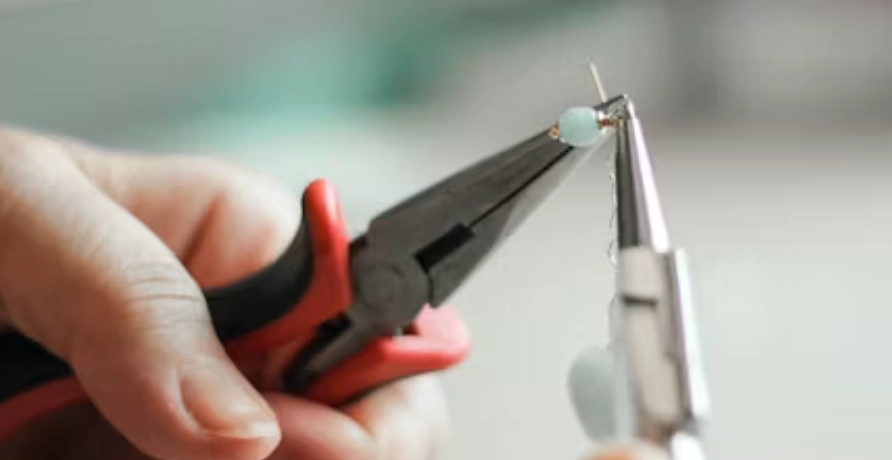
Safety wire pliers blend twisting, cutting, and locking jobs for firm holds. A built-in spring in the handle gives even push. This keeps each wire turn the same. Uneven pull might weaken the wire’s grip. That’s why it counts. The lock part grips the jaws tight while turning. It holds steady pull all through. When you use it right, it stops slips. It makes a solid hold even with strong shakes. In my time watching shop work, this setup saves headaches on busy days.
Material Composition and Durability Factors
Top safety wire pliers come from strong carbon steel or mix metals. These give power without too much heaviness. They last through many factory jobs. Coatings like nickel or black oxide fight rust. They guard against water or harsh stuff in fix-up spots. Exact cutting shapes the parts well. This keeps jaws in line every twist. Over years, this steady work helps keep things safe and quick. Think about a mechanic in a rainy garage—good coatings mean no quick breakdowns.
Mechanical Advantage and Ergonomic Design
Good safety wire pliers use linked levers to boost hand push. This cuts tiredness for the user. It’s great for lots of turns in plane fixes or motor builds. Even weight spread helps control moves. Cushy handles ease pain in long jobs. These little comforts often split easy work from sore hands after a full day. I recall a team in a hot workshop praising the grips for keeping focus sharp.
How Do Different Types of Safety Wire Pliers Serve Specialized Needs?
Safety wire pliers vary a lot. Their builds fit certain jobs in fields. Pick the best one based on if you want quick work, exact steps, or turn control.
Manual Twist Safety Wire Pliers for Controlled Operations
Hand-turn types work best when exact work beats fast pace. They let workers guide turn speed and pull. This helps on soft parts like dash boards or tiny bolts in engine fans. You feel the changes by hand. Auto types can’t match that touch. For folks who like hands-on over machines, this control stays vital. In tight spots, like fixing old plane parts, that feel prevents slips.
Automatic Safety Wire Pliers for Efficiency and Consistency
Auto safety wire pliers have built-in turn systems. These speed up big jobs in make lines or wide fix shops. Once you grip, they turn wire even with little work from you. This sameness cuts fix-up needs. It keeps quality high on many bolts. Plus, it lowers wear on hands. That’s big when same tasks fill your hours. Picture a factory line hitting 50 wires an hour—autos keep it smooth without errors.
Reversible Safety Wire Pliers for Bidirectional Twisting Tasks
Turn-back models bring extra flex. They let you twist clock or counter ways without moving the tool. This shines in plane or car race jobs. There, turn choice sways how weight spreads on key joins. In small areas, like engine covers, flipping direction cuts time. It lowers chances of bumping other bits. One racer told me it shaved minutes off pit stops.
Why Are Safety Wire Pliers Critical in High-Risk Applications?
In tough fields like flying or fast cars, one loose bolt spells big trouble. Safety wire pliers step in key. They tie bolts tight to stop shakes or pulls from undoing them. It’s not just habit; it’s a must for safety.
Role in Preventing Fastener Loosening Under Vibration
Right-twisted safety wire serves as extra hold. It stops bolts from spinning free in use. This fits jet motors, race car setups, or big build gear where shakes never stop. Pliers spread pull even in each turn. They keep setups steady in harsh spots. Without it, a small vibe could lead to big fails—I’ve seen near-misses in engine tests.
Contribution to Compliance With Industry Standards
Fields set hard rules for wire work. Flying leads the pack. Tools must hit marks like MS20995 or NASM20995. This proves they work in checked steps. Right pliers show you follow pro rules from watch groups. Skipping this? Not an option in certified shops.
Enhancement of Operational Reliability and Safety Assurance
More than rules, good wire gives quick sight checks on holds. Fix teams spot issues fast without taking apart. This shortens wait times between checks. In the end, it builds trust in gear for crews on big systems. Reliability isn’t just talk; it’s what keeps flights on time.
How Should Professionals Use Safety Wire Pliers Effectively?
Even pros gain from checking steps now and then. Tiny ways can sway tool life and hold strength.
Preparation of Work Area and Materials Selection
Pick wire size for the job’s weight needs. Often, 0.032-inch fits plane work. Use 0.041-inch for heavy parts. Wipe bolt spots clean. Dirt blocks good fits. Good light helps spot wrongs early. Mess up here, and pulls go off later. A clean bench in bright light makes all the difference.
Step-by-Step Wire Installation Process Overview
Thread safety wire through matching holes. Go the way that fights bolt turns, not helps them. Grip both ends firm in plier jaws. Then, turn the part slow till tight enough. Aim for six to eight turns per inch, per charts. Cut extra bits. Fold the short end back flat. This avoids pointy spots. Follow this, and holds last.
Common Mistakes to Avoid During Operation
Too many turns stress wire strands. It makes them weak. Too few turns give poor grip. Turning wrong way undoes the lock in shakes. New folks do this often. Also, long sharp ends cut skin in checks. Or they snag wires nearby. Watch these, and jobs stay safe.
What Maintenance Practices Extend the Life of Safety Wire Pliers?
Steady care boosts tool years a lot. It keeps sharp work over many uses.
Cleaning Procedures After Each Use
Wipe off grease or metal bits with a soft brush after work. Use cleaner if needed. Dry every spot well. Wet traps lead to rust fast, mainly at turns or springs. Add a bit of light oil now and then. It smooths moves without pulling dirt. Skip this, and pivots gum up quick.
Inspection Techniques for Wear Detection
Look at jaw fits often. Off lines cut grip power. This leads to spotty turns. Check spring pull by full open. It should snap back strong, not weak. Rust on pins means wear starts. Fix before it breaks in a job. Regular peeks catch issues early.
Storage Recommendations for Long-Term Preservation
Keep pliers in dry spots. Stay away from wet areas like wash zones or fluid stands. Soft cases guard from bumps in moves between sites. Label by size for easy grabs. This helps when teams share gear. Good storage means tools ready when you need them.
How Can Users Select the Right Safety Wire Pliers for Their Needs?
Right choice ties to your work spot more than name brands.
Evaluation Based on Application Requirements
For touch-based exact jobs, like plane electronics, hand types fit. For fast lines, auto ones pay off in saved time. Match jaw open to daily bolt sizes. Wrong fit can harm wire in grips. Think about your day—pick what matches.
Comparison of Brand Performance and Reliability Metrics
Skip ad hype when eyeing brands. Check metal tough scores, cut exactness, user comfort tales from your field, and fix cover times. These show true staying power over book facts. One shop swore by a brand after years of tests.
Cost-to-Benefit Analysis Within Professional Settings
Low-price ones look good at first. But they miss fine tweaks for checked work where tracks count. Add in time saved from less fixes to full cost math. This picks the best for long hauls. Cheap now means costly later sometimes.
In What Ways Are Safety Wire Pliers Evolving With Modern Engineering Demands?
Tool makers don’t sit still. New trends mix old tools into tech flows. They boost last through better stuff science. It’s exciting how basics get fresh twists.
Integration of Advanced Materials and Manufacturing Techniques
Builders use light strong mixes now. They hold power but cut hand load in long shifts. Key in plane lines where weight matters for speed goals. Machine cuts make even shapes in lots. This ups same results unit to unit. New coats fight wear in rough shops. Lighter tools mean less sweat on hot days.
Adaptation to Digital Measurement and Calibration Tools
Some fresh pliers add pull gauges. You check force right on the tool, no extra gear. This aids track checks in rules like defense fixes. It’s a move to sure quality in audits. No more guesswork—numbers tell the tale.
Influence of Industry 4.0 on Tool Innovation
Auto growth hits hand jobs too. Smart bits in tools send use info live. This spots fix needs before breaks. Pilots pair with robot helpers for tough builds. They watch and do exact moves humans can’t alone. In future shops, this mix changes how we work, blending man and machine seamlessly.
FAQ
Q1: What makes safety wire pliers different from regular pliers?
A: They mix turn parts made for locking wires on bolts. Not just hold like plain pliers.
Q2: How often should safety wire pliers be lubricated?
A: Add light oil after each clean. Focus on turn spots where rub builds quick in many uses.
Q3: Can stainless steel wires be used with any type of safety wire plier?
A: Yes. But check fit first. Weak models wear fast on tough metals at jaw spots.
Q4: What’s the typical lifespan of professional-grade safety wire pliers?
A: With steady clean, oil, and checks, top ones last years in daily factory work.
Q5: Are automatic models suitable for all applications?
A: No. They speed things but miss touch for soft jobs. Hand types win where control rules.


