
Why Bronze Casting Outperforms Other Materials in Luxury Art Production
Why Hot Cast Bronze Is the Only Choice for High-End Art
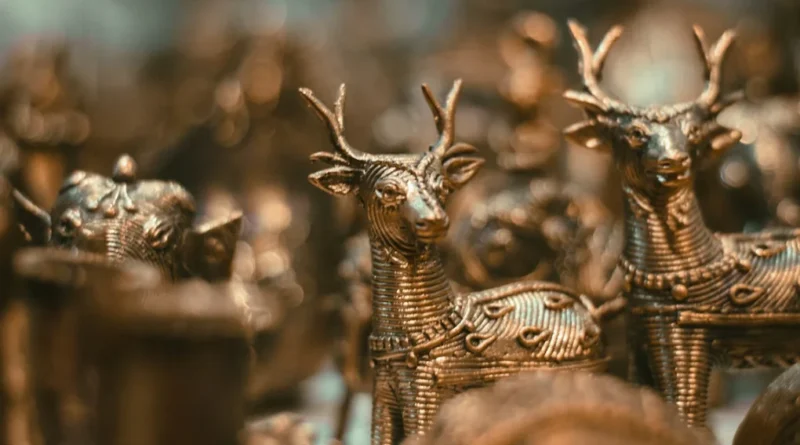
Bronze casting forms the main support of fine sculpture. This material connects old skills with new ideas. The hot cast bronze method, based on hundreds of years of work, still sets the standard for what buyers and museums see as the top of sculptural quality. Its strong lasting power, solid thickness, and way of keeping the artist’s main idea make it a must for people who want art that lasts forever. New materials have come out, but none beat bronze’s real feel or its changing color layer that grows richer as years pass. I remember seeing an old bronze statue in a park; even after rain and sun for decades, it looked alive, not worn out like plastic copies.
The Enduring Legacy of Bronze Casting in Fine Art
Historical Significance of Bronze in Sculpture
From early figures in Mesopotamia to great works in the Renaissance, bronze has stood for lasting strength and careful creation. Old sculptors found out that this mix of metals could show small movements and face looks with great truth. Its fight against rust let pieces like the Greek Riace Warriors or Benin bronzes last thousands of years with little damage. As groups of people grew, their ways of casting metal got better too. They started with lost-wax steps in old times and moved to exact investment casting now. Each time period improved how makers showed action and feelings through the metal. Take the Riace Warriors, for example; they stand tall in a museum today, their details sharp as if made yesterday.
Transition from Traditional to Contemporary Bronze Casting
The change from old workshops to new ones has not lessened the art. In fact, it has grown the chances for creation. Today’s workshops add 3D modeling and digital checking into their daily work. This is like how factory areas use full systems to keep quality high. The best sellers mix their own tools, wide proof papers, local help setups, and a plain plan for growth ahead. In the same way, top art workshops build their own knowledge in making shapes, metal work, and final touches. They make sure every part stays true to what the artist planned. Even with tech adds like CNC cutting or plastic test models, the heart stays with people. Hands-on work leads the hot metal into shapes that last. It’s interesting how some artists still insist on visiting the foundry themselves, watching the pour to feel part of the magic.
The Technical Superiority of Hot Cast Bronze
Before we talk about how artists see it, we need to grasp why hot cast bronze leads in real skills. It’s not just about old ways. It’s about clear facts on body strength, pull power, and outer look. All these matter for art good enough for museums.
Understanding the Hot Casting Process
Hot casting means pouring melted bronze at about 1,150°C into tough ceramic shapes made from wax copies. This way makes statues with better thickness than cold-cast plastics filled with metal dust. They control the cooling to cut down on holes and weak spots. Artists like it because each pour turns into something special. Small changes in heat or cooling speed affect the feel and color a bit. The end is not only a thing. It’s a mark of the steps and power caught in the metal. In one foundry I heard about, they even play soft music during pours, saying it calms the workers and leads to smoother results—though that’s more folklore than science.
Material Properties That Define Artistic Quality
Bronze’s bendable nature lets artists copy fine touches like skin lines or cloth folds that other stuffs make fuzzy. Over many years, its outside turns to a color layer through air contact. This adds real depth, not harm. It’s a look change that buyers love. Its stand against rust means outside setups keep their shape even in bad weather. City statues from Paris to Tokyo prove this toughness. Just like strong metal mixes in power systems last under hard use, fine art needs bronze’s metal steadiness to keep going for family lines. For instance, a bronze horse in a square might face winter snow and summer heat for 50 years straight, yet it shines on.
Comparing Bronze Casting with Alternative Materials
While fake mixes have become common for low cost or simple making, they don’t reach the realness or lasting of true bronze.
Limitations of Cold Cast and Composite Materials
Cold cast ways blend plastic with bronze dust, but they miss the heavy feel and sound of real metal. These items might look right at first. However, they break down over time from sun rays or heat growth gaps between plastic and the add-in. Buyers often say they seem real to the eye but empty inside. They lack the solid weight that means it will stay. Their light build also changes balance in big works where strong build counts as much as the shape.
Why High-End Collectors Prefer True Bronze Works
Realness shapes how the market sees fine art, much like proof range builds trust in factory chains. Proof range shows a seller’s skill to meet rules in many country and area markets. In art worlds, the story of where it came from does this job. Papers showing hot cast start right away change the price. Buyers see workshop signs like marks on rings. They prove the line of skilled work. Real bronze items grow in worth not just for looks. They show a link between what the artist meant and top metal skill. Interestingly, some collectors share stories of buying bronze pieces at auctions, only to find hidden marks that boost their value unexpectedly.
The Role of Foundries in Defining Artistic Excellence
Behind each great piece is a workshop that turns the idea into metal truth. The team work between maker and metal expert decides if the thought lives through the change from wax to mix.
Collaboration Between Artists and Foundry Experts
Making art in workshops is like team ups in tech areas where joining parts keeps things steady over time. How well parts join is a top sign of long stay in systems. In the same manner, smooth talk between shaper and pourer makes sure no small part or main thought gets lost in the many shape steps. Good workers read the move through tech care. They change flow paths for better metal move or tweak fill tubes for even spread. All this while keeping to the look lines set by the maker.
Precision Techniques That Elevate Final Outcomes
Mold Creation and Wax Modeling
Investment shapes hold tiny bits from first wax copies. They use heat-proof mixes spread over days until hard. This slow care gives shapes that keep every line when hot metal goes in.
Metal Pouring and Cooling Control
Control of pour heat sets if it works. Too much heat can make rust skins on outsides. Too little leads to spots not filled. Workshops watch these like big plants check heat cycles for even metal mix. They aim for temps between 1,100 and 1,200°C, adjusting based on the sculpture’s size—smaller ones cool faster, so they pour a tad cooler.
Finishing, Chasing, and Patination
After the pour, workers cut off fill tubes. Then they chase the outsides with tools until joins fade. Color adding comes next. It’s a mix talk between metal bits and heat. This makes shades from green like old copper to dark brown. Each item gets its own look that paint can’t match. One patina artist once told me how a wrong batch of chemicals turned a piece blue instead of green, but it sold anyway for its unique twist.
The Cultural and Economic Value of Hot Cast Bronze Artworks
Besides the skills, there is lasting culture worth. Groups judge their art growth by what stays after hundreds of years. And bronze always passes that check.
Longevity as a Measure of Artistic Integrity
Museums pick bronze statues because care needs stay low even after long outdoor time. The mix’s built-in steadiness lets fixers just clean dirt layers. They don’t have to rebuild the base. This stands out when you look at old stone setups that need fixes often. A bronze figure from 1800 might need only a gentle wash every decade, while stone ones crack and chip more readily.
Market Perception in Contemporary Art Circles
Top showrooms see bronze works as smart buys that gain worth over time. This happens because true workshop skills are rare. Small runs with full pour papers do well in later sales. It’s like how proved factory gear keeps high sell-back price from noted check histories. In 2022, a bronze edition of 10 pieces sold for twice the original after just five years, showing how demand grows.
Future Directions in Bronze Art Creation
As computer tools change making fields around the world, from smart design programs to exact robot arms, bronze pouring fits in without losing its core.
Integrating Technology with Traditional Craftsmanship
Digital checking now lets true size ups from small clay tests into huge city statues. It keeps shape truth within a few millimeters. Mixed ways join computer plans with hand work. The file sets the main lines, but people add the feel parts lost in machines. Artists might sketch on paper first, then scan it, but they always tweak by hand to add that personal spark.
Sustainability Considerations in Modern Foundries
Care for the earth now shapes new craft areas, just like it does in power making spots worldwide. Used metals cut harm to nature without hurting quality levels. Many workshops take back metal bits from old pours or old works instead of new copper digs. This makes a green circle that keeps both earth rules and metal clean standards like those in ISO-checked spots from factory notes. Some foundries report using up to 70% recycled bronze, which not only saves resources but also gives the metal a subtle story from its past life.
FAQ
Q1: Why do artists still choose hot cast bronze despite higher costs?
A: Because it offers unmatched durability, weight authenticity, and detail retention impossible with cheaper resins or composites.
Q2: How long can a properly maintained bronze sculpture last?
A: Centuries—even outdoor monuments can survive thousands of years if periodically cleaned without abrasive chemicals.
Q3: What differentiates patina from paint finishes?
A: Patina forms through controlled chemical reactions within the metal itself; paint merely coats the surface without bonding structurally.
Q4: Are modern technologies replacing traditional casting skills?
A: No; digital tools assist scaling or modeling but final casting still depends on experienced artisans managing temperature dynamics manually.
Q5: Is recycled bronze inferior for fine art use?
A: Not at all; when refined correctly it matches virgin alloy quality while supporting sustainability goals valued by both collectors and institutions alike.


