

Is Material 304 Stainless Steel Truly Food Grade Compared to 316
Food Grade Stainless Steel: 304 vs 316
Food-grade stainless steel defines the safety and durability of materials used in food processing. Between the two most common types—304 and 316—the choice depends on the environment’s corrosiveness. For most applications, material 304 stainless steel offers an ideal balance of cost and performance. However, in highly saline or acidic conditions, 316 provides better resistance due to its molybdenum content. Understanding how each grade behaves under specific food industry conditions helps engineers and plant designers make informed decisions that align with regulatory standards and long-term operational goals.
Understanding Food Grade Stainless Steel Standards
Food-grade stainless steel is not just about shine or cleanliness; it’s a precise classification defined by international standards. The term covers chemical composition, corrosion resistance, and surface hygiene—all critical for preventing contamination in food contact environments.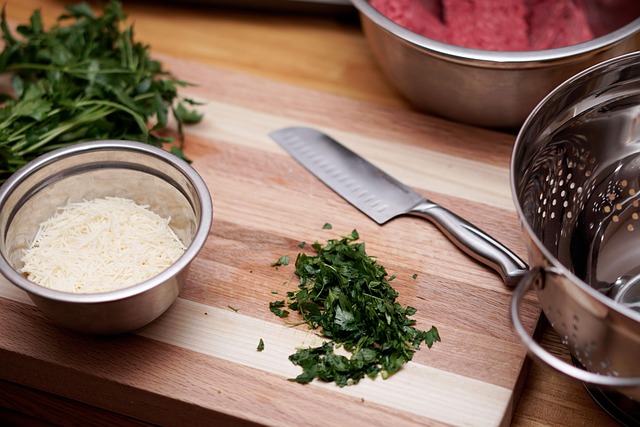
Defining What “Food Grade” Means in Stainless Steel
“Food grade” refers to materials safe for direct food contact without transferring harmful substances. Regulatory agencies such as the U.S. Food and Drug Administration (FDA), the National Sanitation Foundation (NSF), and ISO set criteria that ensure metals meet specific migration limits and corrosion thresholds. These standards emphasize chemical stability, non-reactivity with acids or salts, and ease of cleaning. A key requirement is corrosion resistance since pitting or rust can harbor microorganisms that compromise hygiene.
Common Stainless Steel Grades Used in Food Processing
The stainless steels used in food manufacturing fall mainly into the 200, 300, and 400 series. The 300 series dominates because of its austenitic structure, which provides excellent toughness and formability at low temperatures. Among these, material 304 stainless steel—an alloy of chromium and nickel—serves as the industry benchmark for equipment like tanks, piping, and conveyors. The ferritic grades from the 400 series have lower nickel content but higher strength; however, they lack the same corrosion resistance required for wet processing lines.
Composition and Metallurgical Characteristics of 304 Stainless Steel
Selecting a metal for food contact begins with understanding its internal chemistry. The alloying elements determine how it reacts to heat, moisture, and cleaning chemicals over time.
Chemical Makeup and Alloying Elements
Type 304 typically contains around 18–20% chromium and 8–10.5% nickel. Chromium forms a passive oxide film on the surface that protects against oxidation—a self-healing layer that renews after minor scratches. Nickel stabilizes the austenitic structure, improving ductility and toughness while enhancing oxidation resistance during thermal cycling. Trace elements like manganese or silicon may be added to refine grain structure but remain secondary to chromium’s protective role.
Performance Attributes Relevant to Food Applications
For most food processing temperatures below 500°C, material 304 stainless steel maintains excellent oxidation resistance. It tolerates repeated washing with mild detergents or weak acids without losing its luster. However, prolonged exposure to chlorides—such as from brine or salted foods—can cause localized pitting corrosion. Despite this limitation, its ease of fabrication makes it widely used for mixing bowls, vats, sinks, and kitchen surfaces where daily cleaning is essential.
Comparing 304 vs 316 Stainless Steel in Food Environments
While both alloys share similar mechanical profiles, their corrosion behavior differs significantly when exposed to aggressive media like saltwater or acidic sauces.
Key Differences in Alloy Composition
The primary distinction lies in molybdenum: type 316 includes about 2–3% Mo in addition to chromium and nickel. This addition stabilizes the microstructure against chloride attack by strengthening the passive film at atomic level interfaces. Engineers often quantify this improvement using the Pitting Resistance Equivalent Number (PREN), where higher values indicate better protection against localized corrosion.
Corrosion Resistance Under Various Food Processing Conditions
Chloride-Rich Environments (e.g., Saline Foods)
In seafood processing plants or pickling operations where salt concentrations are high, type 316 outperforms type 304 by resisting pitting even after years of exposure. The molybdenum forms complex oxides that slow down chloride ion penetration into grain boundaries. Type 304 may develop small pits near weld seams if not properly passivated after fabrication.
Acidic or Alkaline Cleaning Conditions
Both grades handle mild organic acids like citric or lactic acid well; yet under strong alkaline cleaners or chlorine-based sanitizers, type 316 retains integrity longer. Continuous use of chlorinated agents can degrade type 304’s passive layer over time unless periodic re-passivation is performed using nitric acid solutions.
Mechanical Properties and Fabrication Considerations
Both alloys maintain tensile strengths around 515 MPa with similar yield ranges suitable for structural components such as frames or supports in conveyor systems. However, type 316 work-hardens slightly faster during forming operations due to molybdenum’s influence on dislocation movement within grains. Weldability remains high for both when low-carbon variants (304L/316L) are chosen to minimize carbide precipitation at heat-affected zones.
Hygienic Design and Surface Finishing Implications
Beyond chemistry lies design: surface finish directly influences microbial adhesion rates on stainless steel equipment used for food handling.
The Role of Surface Finish in Food Safety Compliance
Smooth surfaces minimize crevices where bacteria can attach or biofilms can develop. Electropolished finishes achieve Ra values below 0.5 µm—ideal for dairy pipelines or pharmaceutical mixers—while brushed finishes offer aesthetic appeal but require more frequent cleaning cycles. Mill finishes are generally unsuitable unless further polished since they retain microscopic grooves that trap residues.
Maintenance Practices for Longevity in Food Equipment
Regular passivation restores chromium oxide layers eroded by detergents or mechanical wear. For environments involving chlorides or acidic vapors, weekly rinsing with deionized water followed by drying prevents surface staining known as “tea staining.” Preventive maintenance schedules often include visual inspections under fluorescent light to detect early signs of corrosion before structural compromise occurs.
Cost-Benefit Analysis for Industrial Selection Between 304 and 316
Material selection extends beyond technical performance; economics often dictate final choices during equipment procurement phases.
Economic Considerations in Equipment Manufacturing
Type 316 typically costs about 20–30% more than type 304 due to its higher molybdenum content and sometimes increased nickel levels depending on market fluctuations. Yet lifecycle costs tell another story: reduced downtime from fewer replacements can offset initial premiums over several years of operation—especially where aggressive cleaners are routine.
Application-Specific Recommendations Based on Environment Severity
Low to Moderate Corrosive Settings (e.g., Dairy or Dry Foods)
In dairies processing milk or flour-based products with minimal salt exposure, material 304 stainless steel provides sufficient protection at lower cost while maintaining easy cleanability.
Highly Corrosive or Marine Proximity Environments (e.g., Seafood Processing)
Facilities near coastal regions benefit from upgrading to type 316 despite higher expense since it resists airborne chlorides that accelerate rust formation on unprotected surfaces.
Practical Guidelines for Selecting the Appropriate Grade for Food Contact Use
Choosing between these two alloys demands evaluating both chemical exposure patterns and compliance documentation required by regulators.
Evaluating Environmental Exposure Factors Before Material Choice
Before specifying material grades, engineers should analyze chloride concentration levels from ingredients or wash-down cycles alongside temperature variations during production shifts. Equipment exposed to frequent sterilization cycles at elevated temperatures benefits from alloys with higher PREN values such as type 316L.
Balancing Performance Requirements with Regulatory Compliance
Compliance verification through mill test certificates ensures traceability back to ISO-certified foundries meeting ASTM A240 specifications for plate materials used in sanitary systems. Integrating these data into HACCP documentation strengthens audit readiness while demonstrating proactive risk control within facility design frameworks.
FAQ
Q1: Why is material 304 stainless steel considered food grade?
A: It meets FDA requirements for chemical stability, resists oxidation under normal processing conditions, and does not leach harmful compounds into food products when properly maintained.
Q2: Can type 304 be used safely with salty foods?
A: It can handle occasional salt exposure but may pit over time if constantly immersed; periodic passivation helps extend service life though type 316 performs better under such conditions.
Q3: How often should stainless-steel equipment be re-passivated?
A: Frequency depends on usage intensity; heavy-duty systems exposed to chlorine-based cleaners may need re-passivation every few months while dry-process lines require less frequent treatment.
Q4: Is electropolishing necessary for all food-contact surfaces?
A: Not always; however electropolished finishes provide superior hygiene by minimizing microscopic roughness where bacteria could anchor compared with brushed surfaces.
Q5: Which alloy offers better weld performance for sanitary piping?
A: Both weld well using TIG methods but low-carbon versions like 304L and 316L reduce sensitization risk around heat-affected zones ensuring smoother joints compatible with CIP sanitation systems.


