

What Are Lag Screws and How Do They Differ from Other Fasteners
What Is a Lag Screw? Definition, Uses & How It Works
Lag screws serve a key role in building strong structures, mainly where you need tough fastening jobs. These fasteners handle big loads well. That makes them vital for wood building, deck setups, and joining metal to wood. You spot them in spots that demand solid hold and power. This piece looks at their build, how they work mechanically, how they stack up against other fasteners, and the right ways to pick and put them in for pro work. I remember once seeing a deck collapse because of weak screws—lag screws could have saved it, no doubt.
Definition and Core Characteristics of Lag Screws
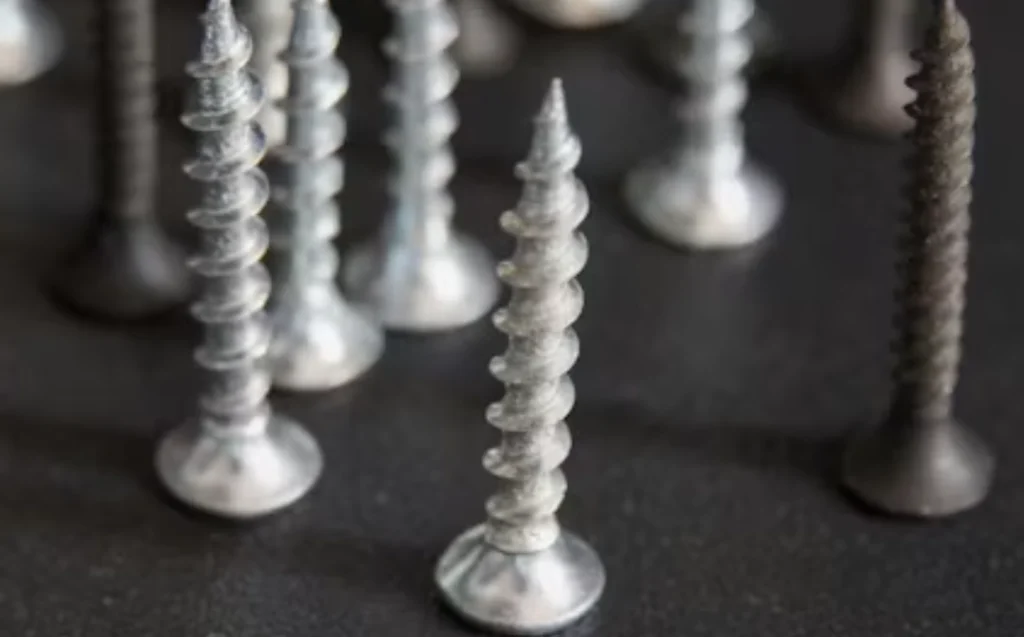
Lag screws, or lag bolts as some call them, are big, strong fasteners. They hold wood together or link metal to wood. They have a hex head. This lets you use a lot of turning power with a wrench or socket tool. The rough threads grab deep into wood fibers. That gives a much better hold than regular screws. Thanks to this setup, lag screws take high pull and side forces without coming loose when loaded. In frame work or heavy wood joins, they keep parts pressed tight. That makes them a top pick for builders who want dependable results that last.
Material Composition and Manufacturing Standards
The stuff lag screws are made from affects how they do in tough spots. Most come from carbon steel for everyday jobs. Others use stainless steel to fight rust. Hot-dip galvanized steel works well outside. Each type has its own perks based on if the job faces water, salty air, or chemicals. Makers stick to ASTM or ISO rules. These set sizes, pull strength, and coating layers to keep things steady batch after batch. Thread shape—like the slant and side depth—changes how weight moves through the screw during stress. Surface covers like zinc plating or black oxide help against rust. They also change how much it rubs when you put it in. For example, in a rainy backyard project, galvanized ones held up for over 10 years without a hitch.
Mechanical Principles Behind Lag Screw Performance
How well lag screws work comes from how their threads hook into the base material. It also depends on how forces spread along their length. When you put them in right, they act like small roots dug into the wood. That holds everything firm.
Thread Engagement and Load Distribution
The rough threads on lag screws cut deep into wood grain. They make solid locks that fight against pulls. The smooth part near the head presses the joined pieces close as you turn it. This part stops the threads from going too far into both sides. It keeps a tight fit that cuts down on wobble over time. To get the best hold without cracking the wood, drill guide holes a bit smaller than the screw’s base size. Do this especially in hard woods like oak or maple. In my experience with a barn build, skipping this step once led to a few splits—lesson learned.
Torque, Shear, and Tensile Strength Considerations
Controlling the turning force matters a lot when putting in lag screws. Too much can strip the threads or smash wood around the hole. A torque wrench helps keep even pressure on all screws in a build. Side strength relies on the screw’s width and how deep it goes. Thicker ones fight side pushes better under big weights. Pull strength, or how it resists being yanked apart, comes from the screw’s shape and the wood’s tightness. In man-made wood like LVL beams, denser stuff boosts pull power a lot more than soft woods. Think of a bridge support: those thick lag screws there handle tons without budging.
Comparing Lag Screws with Other Fasteners
Various fasteners fit different tasks in building work. Understanding these differences helps pick the right one each time.
Lag Screws vs. Wood Screws
Both go into wood, but lag screws stand out from normal wood screws in size and how you install them. You can drive a regular wood screw with a screwdriver or drill because it’s thinner with finer threads. Yet it can’t match the grip from a lag screw’s rough threads and bigger body. For example, when making pergolas or fixing ledger boards to house frames, lag screws give better weight support. That’s key where the whole setup needs to stay strong. I’ve used both on fences—wood screws for light stuff, lag for the heavy posts.
Lag Screws vs. Bolts and Machine Screws
Bolts need holes drilled all the way through. Then you tighten them with nuts on the other side. Lag screws, though, make their own threads right in the wood. This makes setup easier. They still give strong press without extra parts like nuts or washers, though washers help spread the load. Machine screws are for metal joins with ready-cut holes. They don’t thread into soft stuff like wood on their own. In a quick garage shelf job, lag screws saved time over bolts—no nuts to fuss with.
Practical Applications of Lag Screws in Engineering and Construction
Lag screws show up in many building areas. They handle different weights well. From home decks to factory frames, they’re handy.
Structural Timber Connections
In wood frame systems like log houses or truss setups, lag screws make solid joins. They move down loads from weight and side pushes from wind. Often, you add flat washers under the heads. This spreads the tighten pressure evenly on wood. It stops local dents that could hurt strength later. Picture a timber porch roof holding snow in winter—lag screws keep it all in place without creaks.
Metal-to-Wood Fastening Scenarios
For fixing metal brackets or plates to wood beams, like in stair supports or base plates for posts, lag screws give great hold. You can turn them hard with hex heads. That avoids stripping, which happens a lot with cross drives. Coated types like galvanized or stainless steel last longer outside. They fight rust even after years in the weather. On a dock project by the lake, stainless ones didn’t show a spot of rust after five seasons of splashes.
Installation Techniques and Performance Optimization
Doing the install right shapes how lag screws hold up long-term. Tiny mistakes when turning them in can cause early looseness or breaks under strain.
Pre-drilling and Pilot Hole Recommendations
Always drill guide holes before putting lag screws into thick woods. This cuts the chance of cracks. It also lines things up straight through layers if needed. The guide hole should be about 70 to 80 percent of the screw’s base width. Adjust based on how hard the wood is. A smaller hole gives tight hold but doesn’t fight the turn too much. If looks count, like on deck rails, sink the head so it’s even with the surface.
Adding wax or light oil helps it slide in smoother. It cuts heat from rubbing too. That’s a tip old woodworkers use on thick oak pieces. Once, on a tight deadline, this trick got us through a dozen installs without sweat.
Inspection and Maintenance Practices
Lag screws are tough once in place right. But check them now and then, especially where shakes happen, like machine bases. Over years, loads from wind or heat changes might loosen them a bit. Turning them tight again fixes that fast. No need to swap them out. Look at the coatings each year too. Rust under worn zinc could hurt the threads without you seeing it.
Selection Criteria for Professional Applications
Picking the right lag screws means weighing the force needs against things like weather that affect how long they last.
Determining Appropriate Size and Grade
For joins with big weights, like beam to post links, go for wider sizes from 3/8 inch to 1/2 inch. They give more side area but need stronger turns to tighten. Builders pick metal types based on how much back-and-forth stress they’ll see. Hard carbon steel fits still loads. Alloy stainless handles moving stresses better for years. In a school gym floor setup, we chose 1/2-inch ones for the main beams—they’ve been rock-solid since 2015.
Environmental and Material Compatibility Considerations
What the surroundings are like sets which cover works best. Stainless steel shines near beaches with salt air. Galvanized gives cheap shield inland from rain rust. Plain carbon steel stays inside only where it’s dry all year. Watch for metal clashes too. Things like copper sheets next to zinc screws speed up rust unless you use seal washers to keep them apart. Coastal builders swear by stainless for anything wet—saves headaches down the line.
FAQ
Q1: What distinguishes a lag screw from other heavy-duty fasteners?
A: A lag screw stands out because it threads into wood on its own. Plus, the hex head lets you apply strong clamping force. You don’t need nuts on the other side.
Q2: Why is pre-drilling necessary before installing lag screws?
A: Pre-drilling stops cracks along the wood lines. It also makes sure the threads grab deep. That leads to tougher joins over time, especially in hard woods.
Q3: Can stainless steel lag screws be used outdoors?
A: Yes. They fight rust well. That’s why they’re great near seas where salt would eat up normal steel fast.
Q4: How do you measure correct pilot hole size?
A: Pick drill bits about 70 to 80 percent of the base width. Base it on the wood type’s hardness. This balances strong grip with easy turning needs.
Q5: What maintenance steps extend lifespan of installed lag screws?
A: Check them often and tighten any loose ones. Look at the coatings yearly. This keeps things safe from shakes or rust buildup as time goes on.


