What Are Screw Extractors and How Do They Function in Precision Removal?
When a screw head snaps off or gets stripped, you need a tool to pull it out without messing up the nearby surface. Screw extractors fill that need. These tools handle damaged fasteners with smart design and strong materials. They work well in fields like car fixes, plane building, and careful making of parts. I remember once in a garage, a buddy of mine used one to save a whole engine block from extra damage—saved hours of work.
Definition and Core Purpose of Screw Extractors
Screw extractors are special tools built to take out broken or messed-up screws. They do this without hurting the material around them. These tools dig into the screw’s center with backward-twisted grooves. Those grooves hold tight when you turn them the wrong way, against the clock. As you twist, the extractor bites deeper into the screw. This lets it come out nice and easy. The setup cuts down on bending of the screw head or the work piece. That’s super helpful for fragile setups or exact parts. In tight spots like watch repair, this precision keeps everything in place.
Key Components and Structural Design
Most screw extractors come from toughened steel or mix steel for strength against twisting pulls. You often see two basic styles. One has narrowing spiral grooves for everyday jobs. The other uses straight grooves for jobs needing more pull power. Each set has different sizes to match various screw widths and thread styles. This way, they fit from tiny screws in gadgets to big bolts in factories. The tough steel build means they last longer, even with lots of hard use. Think about a set lasting through 50 jobs in a busy shop—that’s real value.
Mechanical Principles Behind Extraction Efficiency
The way screw extractors work comes from basic mechanics. These include backward threads, rubbing hold, and even spread of turning force. You put turning force against the clock on the tool. Then, its spiral grooves cut deeper into the small hole you drilled in the bad screw. This makes a strong rub lock between the tool and the screw’s inside. It lets the screw turn steady without sliding. Torque spreads out along the extractor’s length. So, stress on nearby stuff stays small. That’s key for soft things like aluminum boxes or thin metal pieces. In one case I heard about, it stopped a crack from forming in a bike frame during a fix.
How Do Screw Extractors Differ From Conventional Removal Tools?
Screw extractors might look a bit like regular drills or taps at first. But their job and how they work are totally different. Drills cut material to make holes. Extractors grab onto threads the other way to pull out stuck fasteners without a mess.
Comparison With Standard Drills and Taps
Drills take away bits of stuff by cutting. But extractors hook into what’s already there with a backward grab. Their twisty shape lets you use turning force in a steady way. It doesn’t make holes bigger or hurt inside threads. If you use a drill instead, it can make things worse. The hole gets wider, or you lose too much material near it. For example, in woodworking, a wrong drill job can ruin a whole panel.
Advantages Over Pliers and Gripping Tools
Pliers grab on the outside of screws. They work okay for screws you can see and reach. But they’re no good if the head is worn or hidden. Screw extractors go inside the small drilled hole. They give a solid hold, even with big turning power. This inside grab stops slips. It also keeps the surface around the screw safe. That’s important for keeping exact fits in things like motor covers or careful tools. I’ve seen pliers fail on a rusty door hinge, but an extractor got it out clean.
Material Compatibility and Tool Versatility
Screw extractors handle many kinds of stuff well. This includes metals, metal mixes, plastics, and mixed materials. Car workers use them for stuck bolts with rust. Plane experts count on them for strong metal mixes. Factory folks use them when fixing gear and need to keep threads good. They work with hand tools for light jobs. Or with powered help for stronger pulls. In a shipyard, they even tackle salty, worn parts without breaking a sweat.
Why Is Precision Important in Screw Extraction Processes?
Being exact isn’t just about hitting the mark. It’s about stopping more harm while pulling out the screw. If you have parts with threads you want to use again, or setups where fit matters a lot, every little turn counts. Skipping precision can lead to headaches, like redoing a whole assembly.
Prevention of Thread Damage During Removal
Keeping the drill bit straight with the screw’s line stops twisting of inside threads in the work piece. Using steady turning force cuts down on risks like stripping or making holes too big. When done right, you can put in a new screw after without having to cut new threads. This saves time in fix-ups. Picture a phone repair—mess up the threads, and the whole device is toast.
Preservation of Component Integrity and Alignment
Straight pulling avoids side pushes on linked parts like holders or boxes. If you go off line, it might crack something or throw off how parts fit together. By keeping pulls right along the turn line, you keep the build strong. And the setup fits right when you put things back. In bike repairs, this means no wobbles after the fix.
Enhancement of Operational Safety and Efficiency
Good centering cuts down on tool slips. Those slips often cause cuts or bangs during hand pulls. Quick pulls mean less wait time in fix spots where every minute hurts output. Over time, careful ways make steady work in repeat jobs. Like on a factory line or out in the field. One shop I know cut repair times by 20% just by drilling straighter.
What Are the Main Types of Screw Extractors Used by Professionals?
Pros pick from a few kinds of extractors. The choice depends on how tough the job is, how hard the material, and how easy it is to get to the screw.
Tapered Spiral Extractors for General Applications
These have backward spiral grooves that grip tighter as you turn against the clock. They’re great for middling strong metals like brass or soft steel. The narrowing shape lets you control how deep it goes. This fits well for regular fix jobs in shops. In home projects, they handle most loose cabinet screws without fuss.
Straight Flute Extractors for High-Torque Situations
Straight groove extractors give a firm hold in tough spots. Like fixing big machines where bolts stick from heat or rust. They don’t spread out much inside the screw. So, they cut down on extra sticking in hard screws. That’s a big plus for treated fasteners. Mechanics swear by them for truck engines—pulls out bolts that laugh at other tools.
Multi-Spline Extractors for Precision Engineering Tasks
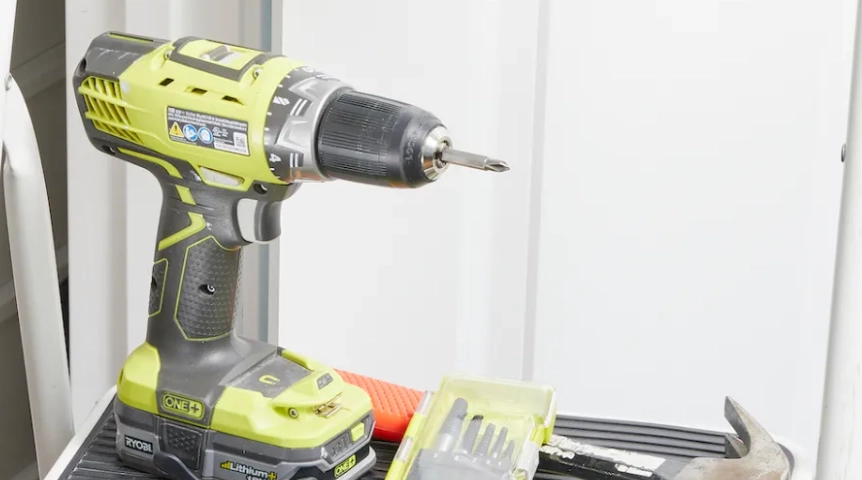
Multi-spline types have many touch points in drilled holes. They spread turning force out evenly on surfaces. This helps with breakable stuff or tight spots. Like in gadget boxes or plane parts needing tiny exactness. In electronics, they save delicate circuit boards from harm.
How Should Professionals Select the Right Screw Extractor Size and Type?
Picking the right size and kind of screw extractor sets up for success. It also keeps things safe while you work.
Assessment of Screw Material and Hardness Level
Before you start, match the extractor’s strength to the screw’s stuff. For instance, stainless-steel screws need extractors with cobalt mix. That’s because stainless is tougher than soft steel. Good match stops early wear. It keeps the grip strong through all the turns. In salty air jobs, this choice can make or break the tool’s life.
Evaluation of Screw Diameter and Depth Engagement
Pick an extractor a tad smaller than the screw’s inside width. This lets its grooves grab hard into the metal without pushing it too wide. How deep you go counts too. Drill not deep enough, and it won’t hold full. Too deep, and you might hurt the nearby build. Aim for about 1/4 inch deeper than the extractor’s length for most jobs.
Consideration of Extraction Environment Conditions
Stuff around the job affects how well it works more than you might think. Heat makes metal more brittle. Oil helps it slide in. Rust can make threads stick extra tight. In wet spots like boat work, use coated extractors that fight rust. They last way longer there. One tip from old-timers: always check for hidden moisture before starting.
How Can Professionals Optimize the Use of Screw Extractors in Practice?
Even pros with years under their belt know getting ready is key before pulling a screw.
Preparation Techniques Before Extraction Begins
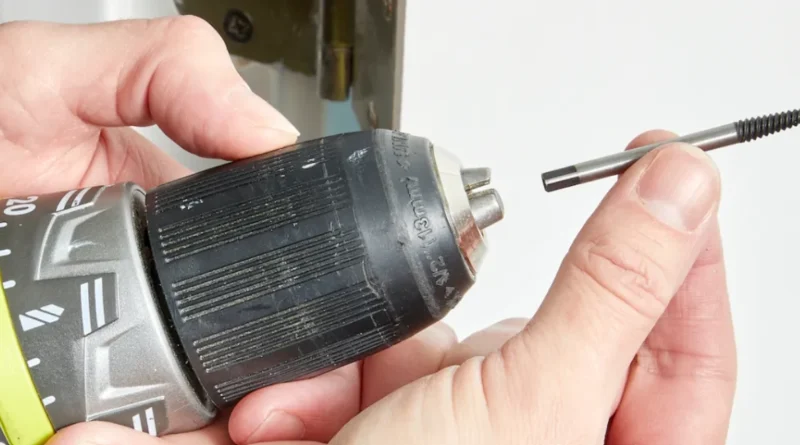
Start by clearing junk from around the broken screw. This makes centering better when you drill the small hole later. Put on some oil that soaks in to loosen rusty threads. That way, you need less push after. Make a small dent with a center punch right where the drill should go. Along the middle line. This keeps the bit from straying. Begin drilling at slow speed. Use firm but even push until you hit the needed depth. Then, for the pull, use a wrench on the handle. Turn against the clock. Build up the turning force bit by bit until it lets go. The whole thing goes smoother this way. You get steady results in all sorts of spots. From shop floors to outdoor fixes. And it fits with what most folks do in the trade these days.
FAQ
Q1: What size drill bit should I use before inserting a screw extractor?
A: Use a bit slightly smaller than your extractor’s recommended size chart so it fits snugly into the drilled pilot hole without weakening surrounding material.
Q2: Can I use power tools with screw extractors?
A: Yes—but only at low speeds to avoid overheating or breaking delicate extractors made for precision work.
Q3: Why does my extractor keep slipping inside stripped screws?
A: The pilot hole may not be deep enough or centered properly; re-drill carefully using a center punch mark before reinserting your extractor.
Q4: Are there specific coatings that improve extractor durability?
A: Titanium nitride (TiN) coatings increase wear resistance especially useful in high-friction environments like automotive maintenance shops.
Q5: How do I prevent future screws from seizing again?
A: Apply anti-seize compound on threads before installation—it reduces corrosion bonding between metals over time making future removal easier.


