

What Are Socket Screw Types and How Do They Differ in Use
What Is a Socket Screw and How Is It Defined?
Socket screws rank as one of the everyday fasteners in engineering and manufacturing. You see them in items from factory machines to small car parts. Their special build lets them handle strong twists in small areas. This makes them key for exact tasks. In my view, they’ve saved many projects from fitting issues over the years.
Definition and Basic Structure of Socket Screws
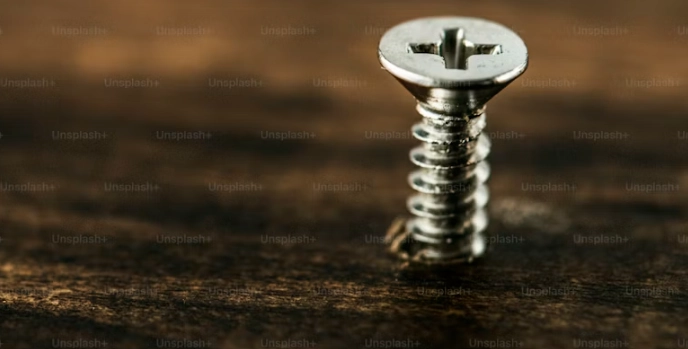
A socket screw acts as a fastener with a round head and an inside hex slot. You tighten it with an Allen wrench or hex key. That tool slides right into the slot to push torque well. Socket screws differ from normal bolts. They fit flat or a bit below the surface. This gives solid hold and a neat look.
Key Features That Distinguish Socket Screws
The top traits that make socket screws stand out are their strong twist power, small head form, and exact grip force. These points fit them for jobs with little room but big strength needs. They cut down on tool slips when you tighten. That means less damage to tools and screw tops. For instance, in a busy workshop, this can save time and cut repair costs by up to 20%.
Common Applications in Engineering and Manufacturing
Socket screws show up a lot in fields like machines, car setups, plane parts, and robot builds. In these spots, they deal with moving forces and shakes. They keep a firm hold. Take a robot arm joint or car motor setup. Both often use socket screws for safe links that save space. It’s interesting how they’ve become a go-to in modern factories.
What Are the Main Types of Socket Screws Available?
Various socket screw kinds meet certain build aims. Some focus on looks. Others stress power or flat fits. Knowing these choices helps pick the best for your work.
Socket Head Cap Screws for High-Strength Applications
Socket head cap screws come with deep hex slots and high round heads. They give strong pull strength for tough joins. Think of motor parts or fluid systems. Their tough make suits them for spots where trust matters most. In heavy gear, they’ve proven reliable time and again.
Button Head Socket Cap Screws for Aesthetic and Light-Duty Use
Button head socket cap screws sport curved heads for a smooth end. They work well when looks count. Examples include home gadgets or chairs. They still offer fair hold strength. Their short shape stops catches on nearby bits. You might see them in a gadget case, adding a pro touch without extra bulk.
Flat Head Socket Cap Screws for Flush Mounting Needs
Flat head socket cap screws fit even with or under the face in cut holes. This suits them for jobs needing a level end. Plane walls or fine tools come to mind. Here, sticking out heads might block work. It’s a small detail, but it matters in tight spots like aircraft builds.
How Do Low-Head and Standard Socket Screws Differ in Design?
Low-head and standard socket screws do close jobs. But they vary in shape and limits. Pick based on open space and twist needs.
Structural Differences Between Low-Head and Standard Variants
Low-head socket screws have brief heads compared to standard ones. This fits them for cramped spots with low height room. Standard kinds have higher heads. Those let deeper hex slots for better tool grip when you turn.
Performance Considerations in Load-Bearing Applications
For how they work, standard socket screws take more twist loads. That’s from their thick heads and deep slots. So, they fit build jobs needing top grip force. Low-head ones handle less but still do well in lighter setups.
Common Use Cases Based on Space Constraints and Strength Needs
You often find low-head designs in small gear like phone boxes or tiny movers. Standard types suit big machines or tool frames. There, power beats size worries. In a real shop, I’ve seen low-head ones fix a jammed actuator in seconds.
Why Are Socket Set Screws Used Without Heads?
Socket set screws stand apart from other fasteners. They skip any outside head. Their goal isn’t to link two pieces. Instead, they lock one piece inside another. They keep the outer shape the same.
Design Purpose of Headless Construction
The no-head build lets these screws sink full into screw holes. Nothing sticks out over the face. This keeps even tops on spin shafts or active parts. Any bump could snag there. It’s a clever fix for smooth runs.
Functional Role in Positioning and Securing Components
Socket set screws mainly hold wheels, rings, cogs, or handles on shafts. They push with their flat, point, or cup ends. The tip presses the shaft face to stop shifts. Yet, you can tweak them easy if needed. Picture a bike gear— it stays put without extra mess.
Material Options and Surface Treatments for Durability
These screws use stuff like alloy steel for firm power or stainless steel against rust. Top coats like black oxide or zinc add wear fight and guard from wet. That’s key in moist or open air spots. Over time, a good coat can double the life in salty shops.
How Do Socket Screws Compare to Hex Head Screws in Functionality?
Picking socket screws over hex head screws hinges on your build limits and fix-up wants.
Differences in Drive Mechanism and Tool Compatibility
Socket screws have inside hex slots for Allen keys. Hex head screws use outside turns for wrenches or box tools. The inside slot helps socket types in narrow spots. Outside tools might not reach there easy.
Space Efficiency and Aesthetic Considerations in Assembly Design
Socket screws lie flat on faces. This beats the stick-out of hex bolts for clean views. That’s why folks pick them for seen parts like machine lids or item shells. They blend work and style well.
Strength, Torque Capacity, and Maintenance Factors
Both kinds give firm hold power. But socket ones often push more twist with low slip risk. That’s from their deep inside points. Fix-up stays simple too. Fewer out edges mean less rust build in drive spots. In daily use, this cuts down on headaches.
What Factors Should Be Considered When Choosing a Socket Screw Type?
To pick the right socket screw kind, weigh the setting, build wants, and fit with tools on hand.
Material Selection Based on Environmental Conditions
For wet or chem spots, stainless steel fights rust best. In high-pull joins under push, alloy steel gives good pull traits at low price. It beats fancy stuff like titanium for most jobs. Think of a rainy outdoor rig—stainless wins every time.
Head Style Selection According to Structural Requirements
Go for button heads if looks top the list. Pick flat heads for even lines. Use cap heads for max power keep. Each fits its spot by build goals. It’s not one-size-fits-all.
Drive Size and Thread Type Compatibility With Equipment Design
Match slot size to your tools. This stops stripping the inside hex when you turn. Check thread steps too. They must match the pair part’s threads. Wrong steps can twist wrong and harm holds for good. A quick check saves big trouble later.
How Can Proper Installation Enhance Socket Screw Performance?
The top fastener flops if you put it in wrong. Careful work in build time boosts trust long-term in all machine setups with these parts. Sometimes, a rushed job leads to surprises down the line.
Importance of Correct Torque Application During Assembly
Use the maker’s twist values. This keeps threads whole and gives sure grip push. It avoids over-push on stuff like soft metal boxes that bend easy. Right twist might mean the difference in a part lasting years.
Role of Lubrication and Anti-Seize Compounds in Maintenance
Lube cuts rub on threads when you fit. Anti-seize stops stick when you take apart after long runs in heat or shakes. That’s common in motors or gear boxes. A dab can make removal a breeze after months.
Inspection Practices to Maintain Long-Term Reliability
Check often to spot loose from shake wear early. That stops breaks. Look for rust marks near heads too. Even small spots can weaken hold if you ignore them. Good eyes keep things running smooth.
FAQ
Q1: What tool is used to tighten a socket screw?
A: You use an Allen key or hex wrench that fits into the internal drive of the screw’s head for proper tightening.
Q2: Are socket screws stronger than regular bolts?
A: Generally yes; they offer higher tensile strength due to their alloy composition and deep internal sockets allowing greater torque application.
Q3: Can I reuse socket screws after disassembly?
A: You can if threads remain intact; however repeated use may wear out internal drives leading to reduced grip during future installations.
Q4: What coating prevents rust on socket screws?
A: Black oxide or zinc plating are common coatings that provide good corrosion resistance without affecting dimensional accuracy much.
Q5: Why choose flat head over button head types?
A: Flat heads sit flush within surfaces giving cleaner looks ideal where protrusions could interfere with moving parts like sliding covers or panels.


