

What Are the Main Types of Nuts Used in Precision Engineering
What Defines the Role of Nuts in Precision Engineering?
Nuts act as tiny yet vital parts that keep tricky setups in place. In precision engineering, where gaps are tiny, just microns wide, picking the right nut can make a machine work perfectly or break down when pushed hard. You see all kinds of nuts, like hex, lock, flange, coupling, or square ones. Each has its own job that helps with steady mechanics and reliable repeats.
Core Functions and Mechanical Importance
Nuts give firm holds in tough mechanical spots by pressing parts together. They stop any shifting. Plus, they keep things lined up and spread out the weight evenly over joints. This matters a lot in setups like robot movers or turbine covers. When you turn a nut to tighten it, the threads turn that spin into a straight push. The choice of material and how exact the threads are really shape how well it works. Even small flaws can cause it to come loose or wear out after a while.
Material Composition and Performance Factors
For exact work, folks pick materials such as stainless steel, titanium, and brass. These offer a good mix of toughness and protection from rust. Stainless steel holds up well in damp or chemical spots. Titanium gives strong pull strength but weighs less. Extra layers like zinc or nickel help fight wear and make the part last longer. They cut down on sticking between threads that rub together. Matching materials also keeps sizes steady when heat changes fast. That’s key in systems that heat up or cool down quickly, like in some factory machines I’ve heard about from old shop stories.
Standards and Dimensional Accuracy in Precision Applications
World rules like ISO, DIN, and ANSI set the sizes, thread shapes, and strength traits for nuts. This makes sure parts swap easily in factories around the globe. Super tight measures are a must for steady work in exact systems. Even small slips can change the push forces. The way threads are shaped affects how even the turn is and how fast you put things together. Engineers pick thin threads for smoother tweaks or thick ones for quicker joins in spots that don’t need as much care.
How Are Hex Nuts Utilized in Precision Engineering?
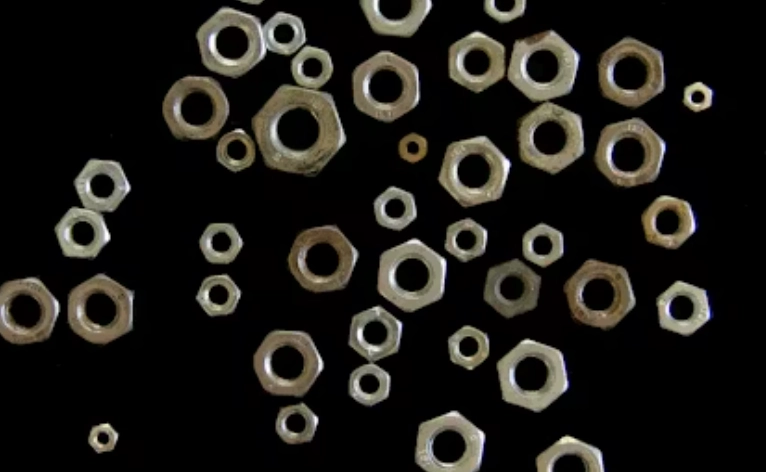
Hex nuts rank as one of the top picks in many fields. Their six flat sides let tools grab from various spots while spreading the turn force evenly as you tighten.
Structural Characteristics of Hex Nuts
The six-sided build sends turn power evenly with basic tools, such as wrenches or sockets. This shape cuts the chance of slipping or wearing down edges after many tightens. Hex nuts show up in regular, tough, and slim types to fit different weights and tight spots. They work with lots of bolt strengths, so they fit well for big frames or careful tool setups.
Common Applications of Hex Nuts in Precision Systems
In machine parts that need even presses, like CNC spin tools or light holders, hex nuts keep the push steady without bending things. They pop up a lot in plane builds where you cut weight but can’t skimp on hold power. Car ride systems use them too for solid links that take shakes but let easy fixes with normal tools. Take a simple bike frame; hex nuts there handle daily bumps without fuss.
Advantages of Using Hex Nuts Over Other Types
Hex nuts grab tight with low chance of edge wear unlike slimmer fasteners. Their set sizes make stock easy to track in big make lines. Since you can turn them from several sides, they work better in cramped areas than round or wing styles.
Why Are Lock Nuts Critical for Vibration Resistance?
When gear runs with steady shakes, like in motors or fans, plain nuts might slowly back off from the back-and-forth push. Lock nuts fix this with built-in tricks that hold the push tight even after tons of shake rounds.
Design Principles of Locking Mechanisms
Lock nuts add grip tricks or mechanical stops to block unwanted backs. Usual styles include nylon plug types that rub against thread sides for hold; torque-hold types that bend a bit when you tighten; and toothed base types that dig into touch spots for more grab. Each keeps the push solid under back-and-forth push or shake time without extra flat rings.
Typical Use Cases in High-Vibration Environments
Lock nuts show up plenty in motors, fans, robot links, and move guides where changing weights hit often. For instance, robot arms that zip fast count on lock nuts to keep turn spots steady over long runs. They cut fix times by holding links firm even with repeat moves. In a noisy workshop, I’ve seen them save the day on shaky conveyor belts.
Comparative Benefits of Different Lock Nut Designs
Nylon plug lock nuts give reusable rub hold for medium weights, but they can soften in hot spots. Metal lock nuts take higher heats without fade, a big plus in plane motors or pipe setups. Toothed base lock nuts boost grab on rough spots like painted sheets or poured boxes where flat touch isn’t sure.
What Makes Flange Nuts Suitable for Load Distribution?
Flange nuts mix a nut and flat ring into one piece. This all-in-one build makes putting together simpler and boosts how weight spreads over linked bits.
Structural Features of Flange Nuts
A flange nut’s broad bottom works like a built-in flat ring that pushes over a bigger spot. This cuts heavy spots on soft stuff like aluminum boxes or plastic holders. Toothed flange kinds add no-slide power by sinking tiny teeth into the touch side when you tighten. That fights backs from shakes.
Engineering Benefits in Precision Assemblies
Flange nuts stop harm to soft parts by pushing evenly, not bunching it in small dots. They make links more trusty by cutting heavy stress points, a common start to cracks in thin walls. In small setups where room lacks for extra flats, flange nuts give power and ease. Think of a gadget case; they keep it snug without dents.
Industrial Applications Utilizing Flange Nuts
Car bodies often use flange nuts for tight links between frame parts without added bits crowding slim areas. Gear boxes and electric holders gain from their steady turn hold in auto-make lines where quick and right count. In one auto plant tour, they zipped through assembly without a hitch.
How Do Coupling Nuts Function in Alignment Systems?
Coupling nuts play a special part: they join two threaded male ends while keeping straight line match over a long stretch.
Design Characteristics of Coupling Nuts
Their long hex body lets full tool grab along the whole run for better handle when you adjust. Inside threads get cut with close measures to promise line match between joined bars or bolts. That’s vital for stretching straight movers or tweaking light tables.
Functional Role in Precision Alignment Tasks
Coupling nuts let small changes in gaps between parts without taking apart the whole thing. This helps a ton in setup tweaks for measure tools or lab stand frames. They hold straight strength across joined bits even under pull loads common in tight wire setups. Sometimes, in a lab, you tweak one and the whole alignment clicks into place.
Material Considerations for Coupling Nut Selection
Strong steel coupling nuts back heavy build jobs like bridge holds or lift tools where safe edges matter most. Light metal or brass picks come when cutting weight tops max weight hold, such as in drone bodies or slim robot arms in low-rust spots.
Why Are Square Nuts Still Relevant in Modern Engineering?
Even though square nuts are one of the oldest fastener ideas, they stick around in today’s engineering because their shape still gives real perks in some cases.
Historical Context and Continued Application
Square nuts were key in early factory days for their wide touch against match stuff. Their basic form helps now where hand work rules make lines or tool room is tight from nearby builds.
Performance Attributes Compared to Other Nut Shapes
The four-flat look fights edge wear better than hex when big turns hit with plain hand tools. Square nuts match well with square-top bolts or slide bolts since shapes fit to stop turns in setup, especially when just one side works.
Situations Where Square Nuts Are Preferred
They get picked for fix-up jobs on old machines that started with classic fits, like steam runners or train parts. In big frame builds where no-slide counts more than small size, square nuts give solid hold at low cost over fancy picks.
How Should Engineers Choose the Right Nut Type for Precision Projects?
Picking the best nut kind rests on mechanical needs plus surroundings and put-together ways in make cycles.
Evaluation Criteria Based on Mechanical Requirements
Check pull strength wants along with things like shake risk, work heat span, and rust chance before picking a material level. Match nut stuff with bolt level to dodge metal rust from unlike pairs, a usual snag when stainless meets plain steel gear. Thread gap closeness must fit plan specs so push stays even after many tightens. In practice, I’ve noted that skipping this check once led to a whole batch redo.
Balancing Cost Efficiency With Performance Reliability
Regular hex nuts work fine where weights are okay and keeping costs low matters in huge make runs. But special kinds like lock or flange turn must-have when safe work beats start price gaps, for example, holding spin shafts in plane motors where slip-up costs big. Over time, fix costs shape full life spend more than buy tag alone. Aim for nuts that last 10,000 cycles without fail, based on real field tests.
Integration With Assembly Processes and Tooling Systems
For auto make lines with robot turn gear, how nut shape fits tool reach angles sets how trusty the flow is over any other bit. Picking forms that let steady turn cuts fix work a lot as time goes. Room to reach in tight spots needs check early in plan looks so workers avoid odd hand jobs later on site. It’s like planning a puzzle; get the pieces to fit first try.
FAQ
Q1: What are the main types of nuts used in precision engineering?
A: The main types include hex nuts, lock nuts, flange nuts, coupling nuts, and square nuts—all serving different functions depending on load requirements and environmental factors.
Q2: Why do engineers prefer stainless steel for precision fasteners?
A: Stainless steel combines corrosion resistance with strength stability across temperature ranges commonly found in industrial environments.
Q3: How do lock nuts prevent loosening under vibration?
A: They use frictional inserts or deformed threads that maintain tension despite repeated movement cycles typical of vibrating machinery.
Q4: When should flange nuts replace standard ones?
A: Use them when you need better load distribution across soft surfaces or want fewer components per joint without adding separate washers.
Q5: Are square nuts still practical today?
A: Yes—they’re ideal for restoration work or heavy equipment frames needing broad contact surfaces rather than compact profiles favored by modern designs.


