

What Are the Main Types of Screwdrivers and How Do They Differ in Precision
What Are the Main Types of Screwdrivers by Tip?
Screwdrivers count as some of the basic tools in factory kits and home boxes. The different kinds of screwdrivers mostly come down to the tip shape. This shape sets how they match up with various screw heads. Every kind gives special edge in turning power. And each fits certain jobs. These range from strong building tasks to exact electronic work. For instance, in a busy shop, picking the right tip can save hours of frustration when dealing with mixed screws.
Flathead (Slotted) Screwdrivers and Their Common Uses
Flathead screwdrivers have one flat edge. This edge goes into a straight cut on the screw head. Folks use them often in wood cutting, wire setups, and fix-up chores. These need simple holding in place. But watch the lineup closely. If you don’t, the edge might jump out. That can hurt the nearby spot or the screw. Lots of wire workers still pick slotted ones. They work with old wall covers and ends in past systems. Take an old house wiring job. The flathead slides right in where newer tips won’t budge.
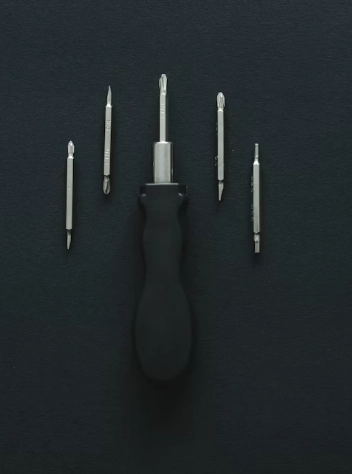
Phillips Screwdrivers and Their Functional Design
Phillips screwdrivers sport a plus-sign tip. It lines up by itself in the screw head. This setup lets you push more turning force. And it slips way less than flathead types. You spot them in gadget putting-together, car mending, and yard fixes. The shape stops you from cranking too much. The tip pops loose when it’s as tight as it goes. That’s a good guard when handling soft stuff. In auto work, this feature keeps plastic bits from snapping under pressure. Over the years, I’ve noticed how it cuts down on redo jobs.
Torx, Square, and Hex Screwdrivers for Specialized Applications
Torx screwdrivers follow a star outline. It’s great for big turning jobs. Think putting machines together or locking car pieces. Square, called Robertson, types hold firm with little slip. They show up a lot in wood building and porch making in the US and Canada. Hex or Allen screwdrivers prove vital for kit furniture or bike care. They nest well into six-sided screw holes. This gives solid force pass-through. On a bike trail fix, the hex one turns smooth without shaking loose. Pros swear by them for tight spaces where grip counts most.
How Do Screwdrivers Differ by Power Source?
The gap between hand-held and powered screwdrivers shows in their power base. It also appears in how they send turning force. Workers pick them by job detail, how many times they use it, and hand fit. Sometimes, the choice boils down to what feels right after a long day on site.
Manual Screwdrivers for Controlled Torque Application
Hand models use only your push for spinning control. They’re spot on for weak turning jobs. Like locking wall switches or tweaking small parts. Here, the feel in your hand rules. These tools weigh little. You carry them easy. And they need next to no upkeep. That’s why site fixers can’t do without them. They put feel before quickness. In a pinch, like roadside repairs, the manual gives you that sure touch without batteries failing.
Electric Screwdrivers for Efficiency and Speed
Electric screwdrivers draw from wall plugs or battery packs. They speed up screw pushing. These keep even turning force in repeat work. Such as lines building gadgets or shop mends. The steady go cuts tiredness in drawn-out shifts. At the same time, it lifts total output. Factory lines often run 500 screws a shift. Electric ones handle that without a break, unlike hand ones that tire you out fast.
Comparing Manual and Electric Performance in Precision Work
Hand drivers stand out in soft changes. For example, locking gauge boards without splitting plastic shells. Powered ones do well in repeat factory spots. Yet you must tune them fine. This avoids wearing screw lines or pushing too deep. The pick between them hinges mostly on detail needs or quick pace. In lab settings, manual wins for its gentle hold. But in mass builds, electric takes over with its even pace.
What Are the Key Mechanisms That Define Screwdriver Operation?
The inside workings of a screwdriver shape how well it moves spin from your hold to the holder. Two chief groups lead: click-wheel setups and straight-spin kinds.
Ratchet Mechanisms for Continuous Rotation Efficiency
Click-wheel parts let you spin screws non-stop. You don’t lift or reset the tool each time. A tiny flip switch changes from tight to loose fast. Put-together crews like these. They deal with hundreds of holders a day. These cut arm pull and boost pace. In a bike shop, ratchets let techs finish frames in half the time. It’s a small gear, but it changes the whole flow.
Non-Ratchet Mechanisms for Simplified Design Stability
Straight-spin models turn right through a set bar. No inside wheels. They’re plain in build. So they trust more in tough spots. Like dusty barns or damp rooms where wheels might rust. Reliability shines there. For outdoor work in rain, these hold up when others gum up.
Evaluating Mechanism Choice Based on Task Demands
If your work calls for lots of build or break-down, like home gadget fixes, a click-wheel tool cuts time and work. For exact gadget jobs where each tiny spin matters, straight kinds offer firmer hold. They have less moving bits that might quit in the middle. Pick by what the day throws. Appliance techs mix both—ratchet for bulk, straight for fine bits.
How Are Screwdrivers Classified by Usage Purpose?
Screwdriver sorting also looks at how well-made they are for the aim. From rough all-around kinds to super-fine tools for close looks.
Standard Screwdrivers for General Applications
Basic screwdrivers build sturdy to take mixed stuff. Like wood, iron, or blend boards. Build crews tote a range of sizes. They shift between hold jobs without special ends. One set covers nails in walls to bolts in frames. That’s why they’re staples in tool bags.
Precision Screwdrivers for Fine-Tuned Workmanship
Fine drivers have small bars and cut tips. They suit wee screws in timepieces, photo gear, or board lines. Handles shape for finger guide, not hard shove. That’s key when a bit too much spin wrecks touchy parts. In camera repair, these let you thread without force. A slip there costs big.
Determining Appropriate Usage Based on Project Requirements
For tricky put-togethers needing small force shifts, like setting lab tools, fine kits fit best. On the flip side, big fix tasks gain from basic models. They take more force swings without bending ends or harming lines. Match to the build need. Wrong pick leads to rework, and nobody wants that extra hour.
How Does Tip Design Influence Precision Performance?
Tip outline right away changes hold steadiness and force send during use. Build stuff and hand shape add to how spot-on you drive each holder.
Impact of Tip Geometry on Grip Stability
A right-fit tip locks safe with the screw head’s cuts. It cuts slips that might mark close faces or wear lines. Even small off-sizes between end and cut can waste push or break gear in build lines. Check twice before you start. In team runs, a mismatch slows the whole crew.
Material Composition Affecting Durability and Accuracy
Good screwdriver tips come from tough steel blends. They fight wear after thousands of spins. Some pro kinds add magnet layers. These grab screws tight in up-down sets. Handy for over-head work in close boxes. After 2,000 turns, quality ones still bite sharp. Cheap ones dull quick.
Ergonomic Considerations Enhancing Control Precision
Handle form has a quiet part in hitting spot-on over stretches. Shaped holds ease wrist wear in long hauls. No-slide grains keep steady even with wet or greasy hands from gear oils. It’s the little comforts that keep work smooth. Skip them, and fatigue creeps in by noon.
How Should Professionals Choose the Right Screwdriver Set?
Grabbing the right set calls for checking build stuff, hand ease, rule fits, and money-worth mix. All these shape how it serves over time. Start with what your hands say.
Evaluating Material Quality and Manufacturing Standards
Pro sets use chrome-vanadium steel bars. They harden even from end to end to stop bends under push. Makers who stick to ISO or DIN rules promise exact size holds. This keeps end-to-screw match steady in make batches. Look for cert stamps. They mean fewer headaches later.
Assessing Handle Design for Ergonomic Efficiency
Handles ought to fit all hand scales comfy. They cut pull in repeat loops seen in make lines. For wire pros, no-power rubber holds add safe guard near hot wires. Without losing hand speed. In live work, that grip saves slips that could spark trouble.
Balancing Cost Versus Long-Term Performance Value
Top sets ask more cash up front. But their tough build pays back with fewer buys over service years. Now and then users might pick middle options. These give fair trust at cheap spots. It ties to how hard the project runs. For light home use, mid ones last a good five years without fuss.
How Is Innovation Shaping the Future of Screwdriver Technology?
Today’s build work keeps nudging old hand tools into tech blends. It also betters green stuff rules the world over. Changes come slow, but they stick.
Integration of Smart Torque Control Systems
New electric drivers pack in sense chips. These spot force levels right away. They stop too-tight slips in auto make flows. Link parts let ahead fix plans through web boards for shop heads. In big plants, this cuts waste by 20 percent. Tech like that turns guesswork into facts.
Advancements in Material Engineering
Light carbon-fiber mixes take over from heavy irons. They keep firm build without extra weight. That’s a win in plane fix areas where each bit counts. Rust-fight covers stretch work life in sea spots. Green plastics match world green make ways. Over time, these cut tool trash by half in shops.
Emerging Trends Toward Modular Tool Systems
Swap end setups let pros tote less bars. Yet they handle many holder shapes well in small rolls. That’s a real plus on site where move matters. Magnet holds make fast changes easy in quick build runs. This drops wait time big. Kits with 15 ends in one pouch? Game-changer for field crews chasing deadlines.
FAQ
Q1: What’s the difference between Phillips and Pozidriv screwdrivers?
A: Phillips uses a basic plus form that slips at strong force. Pozidriv puts in small side lines for firmer hold. But it calls for screws built just for it.
Q2: Why do some screwdriver tips have magnetic ends?
A: Magnetic ends keep screws in place while setting. Super for single-hand work or boxed spots like car motors.
Q3: Can manual ratcheting screwdrivers replace electric ones?
A: Yes for easy to fair loads. Still, electric kinds beat them in repeat factory spots needing steady force over long stretches.
Q4: Which screwdriver type prevents stripping best?
A: Torx kinds give top fight against slip thanks to the six-lobe star link. It spreads push even over the holder head edge.
Q5: How often should professional screwdriver sets be replaced?
A: Top sets from tough blends last some years with good care. Swap comes when ends go blunt and hurt hold spot-on.


