

What Determines the Performance of Self Tapping Screws in Metal Fabrication
What Determines the Performance of Self Tapping Screws in Metal Fabrication
Self tapping screws see a lot of use in metal fabrication. They make their own threads as workers drive them into the material. Their performance hinges on a few key factors. These include how well they match the material and how carefully you control the torque. Each part plays a role in forming a strong joint. It also helps the screw hold up against ongoing stresses. In my experience working with shop floors, getting these right can make a big difference in how long a project lasts.
Material Compatibility and Metal Thickness
The link between screw design and the base metal’s traits is very important. Dense metals like stainless steel or carbon steel need self tapping screws with tough threads. These threads cut neatly without bending out of shape. Thicker metals require pointy tips and deeper threads. This setup allows good penetration and a solid hold. Thin sheet metals work best with fine-thread screws. These lower the chance of stripping the material. Picking the wrong match often causes thread wear or galvanic corrosion. This problem shows up especially when different metals touch in damp places. For instance, in a workshop near the coast, I’ve seen screws fail fast if not chosen carefully for salty air.
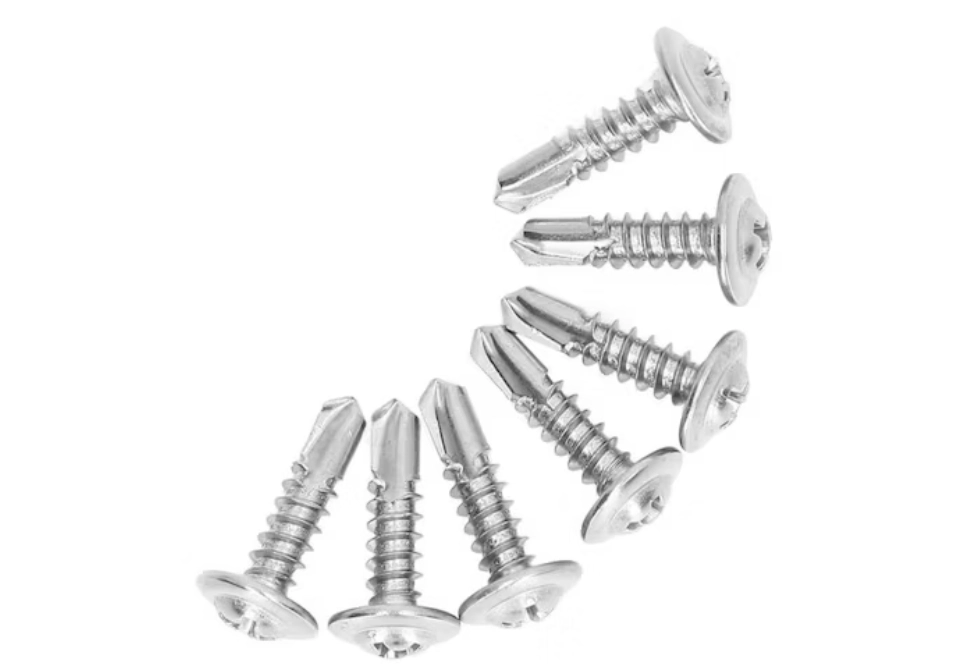
Thread Design and Geometry
Thread shape has a big impact on how well a screw creates its matching threads. Fine-thread self tapping screws suit thin sheet jobs. They give better grip per inch of length. Coarse threads fit thicker parts better. They need more cutting power. The thread angle sets how much torque it can handle. Steeper angles give stronger hold but demand more turning force. Good chip removal during setup stops clogs. Without it, the screw might stick or not sit fully. Think about assembling a metal frame—poor chip flow can jam everything up mid-job.
Screw Material and Coating Selection
Selecting the right screw material means more than just strength. You also think about weather exposure and lasting durability. Stainless steel self tapping screws fight corrosion well. But they can stick under heavy rubbing if you skip lubrication. Carbon steel offers greater pull strength. It requires coatings like zinc or phosphate to stop rust. In outdoor or sea settings, coated or plated screws last much longer. They resist rust buildup and reactions between unlike metals. One time, on a bridge project, using basic steel without coating led to replacements after just a year—lesson learned.
How Does Pilot Hole Preparation Affect Screw Performance?
Before you drive a self tapping screw into metal, preparing the pilot hole lays the groundwork for a good joint. The hole’s size, depth, and cleanness decide how smoothly the screw cuts threads. They also affect how tightly it sits without straining the material too much. Skipping this step often leads to headaches later.
Correct Hole Diameter and Depth
A well-sized pilot hole lets the screw engage closely. At the same time, it avoids too much torque when installing. If the hole is too tight, the screw head might break off. Or the threads could twist from high drag. Holes that are too wide cut down on holding power. This can cause the screw to loosen from shakes over time. For many jobs, the pilot hole should be just a bit smaller than the screw’s minor diameter. This promotes clean thread cutting. It keeps the structure sound. In practice, aiming for 80% of the thread diameter works for most sheet metal tasks I’ve handled.
Drilling Speed and Technique
Keeping a steady drilling speed stops heat from building up. Heat can make metal surfaces soft or harm coatings. Adding cutting lubricants cuts down on friction. It also extends tool life and makes cleaner holes. Lining up the drill bit straight to the surface spreads the load evenly later when you tighten the screw. A slight tilt can cause uneven pressure on the threads. I’ve found that slowing down for thicker steel prevents most warping issues.
Deburring and Surface Cleanliness
After drilling, you must clear burrs from the hole edges. They can block thread forming. Clean surfaces boost the friction between screw threads and the metal base. This builds better clamping force. Things like oil leftover or rust act as unwanted slips. They allow tiny shifts that weaken joints under repeated loads. Wiping down with a rag before screwing in has saved many assemblies from early failure in dusty shops.
Why Is Torque Control Important During Installation?
How you apply torque decides if a self tapping screw fully engages without pushing too hard on parts. Controlled tightening affects how long the joint lasts under shakes or heat changes. These issues pop up often in factory settings. Proper control isn’t just nice—it’s essential for safety.
Optimal Torque Application Range
Every screw type has a best torque level based on its size and metal hardness. Too much torque strips the inner threads or cracks the head. Too little leaves spaces that let it come loose under moving loads. Sticking to the maker’s suggested torque keeps the pull even in all parts of the build. For a No. 10 screw in mild steel, that might mean 15-20 inch-pounds—nothing fancy, but it works.
Use of Torque-Limiting Tools
Tools like calibrated torque wrenches give steady results in hand work. Power drivers with set clutch levels stop overdriving into thin panels. This avoids bending around the holes, a frequent problem. In auto lines, torque systems track data for quality checks. They keep tension the same for hundreds of fasteners each shift. Switching to these tools cut errors by half in one plant I visited.
Monitoring Torque Retention Over Time
After setup, joints can ease up from heat swelling or machine vibes. Regular torque checks spot loosening early. This prevents breakdowns in key spots like HVAC boxes or machine frames. For setups in changing heat, rechecking at set times keeps things reliable long-term. It’s like giving your build a health check every six months.
What Role Does Screw Head Design Play in Metal Fabrication?
The shape of the screw head changes how forces spread out during tightening and use. A good head style mixes solid strength with easy setup. Picking wrong can lead to weak spots or hard installs.
Head Shape and Load Distribution Characteristics
Pan heads cover a wide area to spread the load. They help in thin sheet work where point stress might bend things. Flat heads give a smooth finish. They’re great for looks on panels or smooth surfaces in cars and appliances. Hex heads handle high torque well. Use them for frame builds needing strong clamps. In cabinet making, pan heads prevent dents every time.
Drive Type Compatibility With Tools
Various drive styles change how well torque moves from tool to screw. Phillips types are widespread but slip easily under big force. Torx styles cut slippage with their star shape. Hex types make reaching tight spots simple with Allen keys or sockets. Pairing the drive with your tools lessens wear on screws and bits. I’ve swapped to Torx for heavy jobs—less frustration overall.
Head Height Considerations in Assembly Design
Short heads work when space is tight. For example, inside boxes where bumps might hit moving pieces. Taller heads make hand work easier in fixes or add-ons. Choosing the right height matches strength with easy handling in builds. It boosts both job performance and worker comfort.
How Does Environmental Exposure Influence Screw Selection?
Surroundings decide which materials and coatings hold up over years. Overlooking them leads to quick rust or joint breaks, even with perfect setup at first. Real-world weather can surprise you if you’re not prepared.
Corrosion Resistance Under Different Conditions
In sea areas with salt spray speeding up rust, stainless steel self tapping screws do better than plain carbon steel. They keep surfaces steady longer. Zinc-plated ones handle fair dampness but fail fast in chemical spots. Unless you add topcoats that fight acids or solvents in factories. A shipyard buddy swears by stainless for docks—holds up through storms.
Temperature Resistance of Materials
Above 300°C, regular coatings might peel off. Base metals can get a bit soft too. This drops pull strength by around 20%. Heat ups and downs cause size mismatches between screws and bases. They loosen joints slowly unless you pick heat-tough alloys like A286 stainless for oven parts or engine areas. In baking equipment, this choice prevents downtime.
UV and Weathering Effects on Coatings
Outdoor items hit by sun see slow breakdown of regular finishes. Unless you use UV-proof ones like epoxy zinc plating from the start. Routine looks spot fading or bubbles before rust creeps under. It’s a basic upkeep that stretches life a lot. For rooftop installs, checking twice a year catches issues early.
How Can Installation Techniques Improve Joint Reliability?
Even top self tapping screws can fail soon if put in sloppily. Exact lining up and right tightening order create tough joints. These stand up to stress repeats without coming loose. Small habits here pay off big.
Alignment Accuracy During Fastening
If a screw goes in at a slant rather than straight, one side takes more weight. This leads to uneven thread wear later. Tools like jigs guide spots right in big runs. Consistency boosts how well it fights tiredness across like joints. In auto body work, straight alignment avoids rattles down the road.
Sequential Tightening Procedures
For builds with many screws, like guards or panels, fully tightening one spot first can twist thin sheets. Use a crisscross order instead. It spreads pressure even and cuts leftover stress in the metal. This is common among pros for keeping shapes stable after setup. It feels more natural, like tightening lug nuts on a wheel.
What Maintenance Practices Enhance Long-Term Performance?
Upkeep makes fastened joints stay solid through their work life. It spots wear soon and stops damage from weather or use. Don’t skip it—it’s cheaper than fixes.
Periodic Inspection of Fastened Joints
Checks every few months show early signs. Like rust lines near heads or small shifts found with torque tools for factory gear audits. These face daily shakes. In one warehouse setup, monthly peeks caught a loose frame before it fell.
Replacement Strategies for Damaged Screws
When harm shows—stripped threads from too much turn or rust holes cutting grip—swap them out quick. Use the same type, not mixes that spark reactions between metals in wet spots like plants. Matching keeps things even.
Lubrication and Anti-Seize Application
Right lubes cut sticking when putting back stainless parts after stops. Anti-seize makes later takedowns easy by stopping weld-like bonds in high-press spots. These face changing damp outdoors year by year. A dab goes a long way in engine repairs.
FAQ
Q1: What makes self tapping screws different from regular screws?
A: Self tapping screws have cutting edges on their threads that form mating threads directly into materials like metal without pre-tapping operations required by standard machine screws.
Q2: Can you reuse self tapping screws after removal?
A: Generally no; once removed they rarely realign perfectly within existing holes because prior threading alters pitch engagement leading to reduced holding strength upon reinsertion.
Q3: How do you choose between fine-threaded versus coarse-threaded types?
A: Fine-threaded designs fit thin sheets needing precise control whereas coarse-threaded ones suit thicker metals demanding deeper bite per revolution providing stronger pull-out resistance overall.
Q4: Why does coating type matter so much outdoors?
A: Because exposure elements like moisture UV radiation accelerate oxidation degrading unprotected steel rapidly thus selecting weather-resistant finishes maintains joint reliability longer outdoors especially near coastal regions prone salt air intrusion effects daily cycles year-round.
Q5: What’s a simple way to check if installed screws remain tight?
A: Use calibrated torque testers periodically comparing measured retention values against baseline installation data any drop indicates potential loosening requiring immediate corrective action before operational issues escalate further unnoticed.


