
What Is A Set Screw And How Does It Differ From Other Fasteners
What Is A Set Screw?
A set screw might seem basic at first glance. Yet it holds a key spot in mechanical engineering. You spot it in many setups where two parts need to line up or work together without sliding. Its build focuses on accuracy and small size. That’s why people use it in tiny tools up to big factory machines. I remember fixing a bike once, and a tiny set screw kept the handlebar from wobbling. Small things like that make a difference.
Definition And Core Function
A set screw is a kind of fastener. It locks one item inside or next to another without a nut. Most are headless. They have threads all the way along. This lets them fit fully into an inside thread. The setup helps pass on turning force or stop parts from moving against each other. For example, it might hold a gear tight to a spinning shaft. Then both turn as one piece. In real life, this keeps machines running smooth without extra parts getting in the way.
Common Structural Features
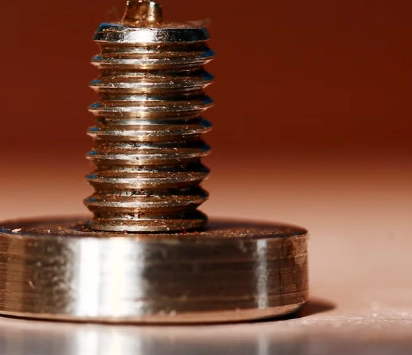
The main thing about a set screw is its lack of a head. That lets it sit flat or hidden in the threaded spot. You pick different end shapes based on the job. A flat point gives steady touch. A cone point digs in deep. Cup point grabs hard. Dog point helps with exact spots. Materials vary too. Alloy steel works for tough jobs. Stainless steel fights rust. Brass fits where you need no magnetic pull. Take boats, for instance. Salt water eats metal fast, so stainless ones last longer there. I’ve seen rusty parts on old docks—set screws in stainless avoid that mess.
Applications In Mechanical Assemblies
Set screws lock pulleys, gears, collars, and couplings onto shafts in machines. They keep things lined up right. They hold spots even when parts shake or move fast. Since they fit level with the surface, they work great where space is tight. No sticking out means no bumps for other bits to hit. Picture a small motor box or robot arm. The flat fit stops jams with moving pieces. In factories, this saves time during builds because everything slots in neat.
How Does A Set Screw Differ From Other Fasteners?
Set screws stand out from bolts or regular screws in how they hold tight and spread weight. Bolts use nuts and pull surfaces together. Set screws, though, rely on rub from inside threads alone.
Comparison With Standard Screws And Bolts
Bolts pull two sides close with stretch force from a nut. Set screws stand alone. They lock in with inside threads only. No head sets them apart from usual screws that have tops for turning tools. This fits jobs where you can’t have bits sticking out. It’s handy in tight spots, like inside a gear box where every inch counts.
Functional Differences In Load Distribution
Set screws don’t handle pull loads like bolts do. They pass turning force by pushing their end against a surface. The touch spot is small, often just a point or edge. So hold comes from the end shape and how hard both materials are. A cone-point one on a tough shaft fights spin better than a flat-point on soft metal. In my garage tinkering, I learned that the hard way—a loose flat point let a fan wobble until I swapped it.
Variations In Installation And Removal Methods
You put in most set screws with hex keys or socket tools in their inner slots. Watch the turning force closely. Too little, and it slips in use. Too much, and threads tear or ends bend. Taking them out gets hard in small areas. Once parts go around, reaching the inner spot is tough. Pros in shops use mirrors or special tools for that. It adds a step, but keeps things safe.
Why Is The Headless Design Important?
No head isn’t just for looks. It serves real purposes. Sometimes it’s key for how things work in close setups.
Space Efficiency And Flush Fitting Benefits
The no-head build cuts out bumps that might hit nearby moving bits. It suits small designs with little room. Think tiny gear sets or doctor tools where space is gold. It boosts safety too. No catches for clothes or gear in fixes. In a workshop, that means fewer accidents. I’ve bumped heads on protruding screws more times than I like.
Enhanced Aesthetic And Functional Integration
When put in right, the set screw top levels with or dips below the housing face. That gives a smooth look. It lets nearby parts like bearings or links move free. Plus, it helps even spins in fast jobs, say on turbine shafts. The clean fit cuts drag, which matters in high-speed work. Engineers pick this for reliability over flash.
Structural Implications Of Headless Geometry
All push focuses on the thread grip area, not under a bolt top. So apply turn force with care to skip thread damage. Good setup keeps round parts straight in line. It stops slides under weight. That tiny bit can mean steady work or big stops. In big machines, one slip costs hours.
What Are The Common Types Of Set Screws?
Set screws vary by end shape, turn style, and build stuff. Each fits different needs.
Classification By Point Style
Flat-point set screws touch steady with little harm to surfaces. They suit changes often or soft stuff. Cup-point ones have dipped ends that grip a bit by biting in. That holds under shakes. Cone-point digs farther into hard items for top hold when spins are strong. Pick based on the task—flat for tweaks, cone for lock-down.
Classification By Drive Type
The turn style changes how you put in or take out the screw. Hex socket ones take high turn with Allen keys but stay small. Slotted fits light jobs with lots of tweaks and low pull. Square and star cuts slip risk in tightening. That’s good for exact setups needing same turn each time. In tools, hex is king for power without bulk.
Classification By Material Composition And Coating
What it’s made of sets how long it lasts and fights rust. Alloy steel takes big stress well. Stainless steel holds up in wet spots. Brass stays non-magnetic for electric or measure work. Coatings help too. Black oxide cuts shine and wear. Zinc adds rust shield cheap. For outdoor gear, zinc keeps things fresh longer. I’ve coated old screws myself—easy fix.
How Should A Set Screw Be Selected For An Application?
Choosing the best set screw means weighing pull needs with surroundings and fit factors. Get it right for long life.
Factors Related To Load And Torque Requirements
Check the turn force it must pass and shake levels first. Then pick end shape or material toughness. Thread grip length needs to be enough to fight loose under work weight. Usually, at least one-and-a-half times the screw’s width for steel parts. In heavy lifts, like cranes, short grip fails fast.
Considerations For Environmental Conditions
Wet or acid spots need stainless or covered types to skip rust. Hot machines call for treated metals that stay strong in heat. Add oil when putting in to stop thread stick, especially stainless on stainless. That galling ruins fits quick. In kitchens or pools, stainless wins every time.
Compatibility With Mating Components
Thread steps must match exact with inside threads. Else, it twists wrong in build. Pick end shape by what it touches. Cup works on round shafts. Flat fits cut flats. Cone only if marks are okay long-term. Test fits first—saves headaches later.
How Can Installation Quality Affect Performance?
Top set screws flop if put in wrong. The way you do it shapes how well and long they work.
Importance Of Proper Torque Application
Not tight enough means slips in run. Too tight tears threads or hurts shafts. Calibrated turn tools give same results each go. That’s standard in plane or fine make shops where match counts big. Aim for specs—say 10 foot-pounds for a half-inch screw. Miss it, and things shake loose.
Role Of Thread Locking Compounds
Lock glues add hold against shake-loose by filling tiny gaps in threads. Air-free types set hard in joints. Pick ones for your heat level so you can take apart later for checks. In cars, this keeps bolts put through bumps. Without it, you’d retighten weekly.
Maintenance And Periodic Inspection Practices
Check often to spot early wear like rub marks at touch spots or loose fits after long use. Tighten again after first runs to settle under weight. Swap bad screws—bent threads lose grip forever. In mills, they check monthly; it cuts breakdowns. Simple habit, big payoff.
What Are The Advantages And Limitations Of Set Screws?
Set screws bring good points but limits too. They hold via point touch, not wide clamps.
Key Advantages In Mechanical Design
Their small form slips into tight areas easy. They link shafts to hubs sure without extra washers or nuts. You can shift them quick for timing belts or pulleys. That’s nice in setup tasks where small changes beat raw power. In bikes or clocks, this speed saves hours.
Potential Limitations And Failure Modes
Wrong turn or no locks let them ease out slow under steady shakes. That’s usual in spin parts like fans or pumps. Point press can mark soft stuff over time. That leads to off-balance if unchecked. Once, a soft aluminum shaft dented—had to mill it flat. Watch close.
Strategies To Enhance Reliability
Two set screws opposite each other boost steady hold. They fight loose from shakes by pushing back. Cut flat spots on shafts for sure seats. That cuts wear at touches and keeps lines true over tweaks. In pros, this doubles life—worth the extra drill.
FAQ
Q1: What makes a set screw different from other fasteners?
A: Unlike bolts that rely on nuts for clamping force, set screws secure parts through frictional engagement within internal threads using their pointed tips against another surface.
Q2: When should you choose stainless steel over alloy steel?
A: Stainless steel versions are preferred in corrosive environments such as marine equipment because they resist rust better than untreated alloy steels.
Q3: Why do some applications use two set screws instead of one?
A: Dual placement increases resistance against loosening from vibration by locking each screw’s pressure path opposite the other’s direction of force.
Q4: How much thread engagement is generally recommended?
A: For most metal assemblies about 1½ times the diameter of the screw ensures adequate holding strength without risking thread stripping under load.
Q5: What’s the best way to prevent loosening due to vibration?
A: Apply suitable thread locker compounds rated for your operating temperature range combined with proper torque tightening according to manufacturer specifications.


