

What Makes Structural Screws a Reliable Choice for Heavy Load Applications
What Defines Structural Screws in Modern Construction?
Structural screws play a key part in today’s building work. They often take the place of old-style bolts and lag screws in various jobs. Their careful design, tough materials, and simple setup make them vital for framing, decking, and strong assemblies. If you examine their build, you notice how each part—from the metal mix to the thread shape—helps hold big weights in a safe and quick way. I recall a project where these screws saved hours on a tight deadline, proving their real value on site.
Mechanical Composition and Material Strength
Builders usually craft structural screws from strong steel mixes that offer steady support in many building situations. This steel works well because it fights bending under pressure. Heat treatment adds extra toughness and resistance to wear, which helps keep joints stable for years. In places with rain or damp air, special covers like zinc or epoxy stop rust from forming. These covers often pass tests in salt spray rooms for thousands of hours before they get the okay. For example, in a rainy coastal build, such coatings kept everything solid without extra fixes.
Design Characteristics and Thread Geometry
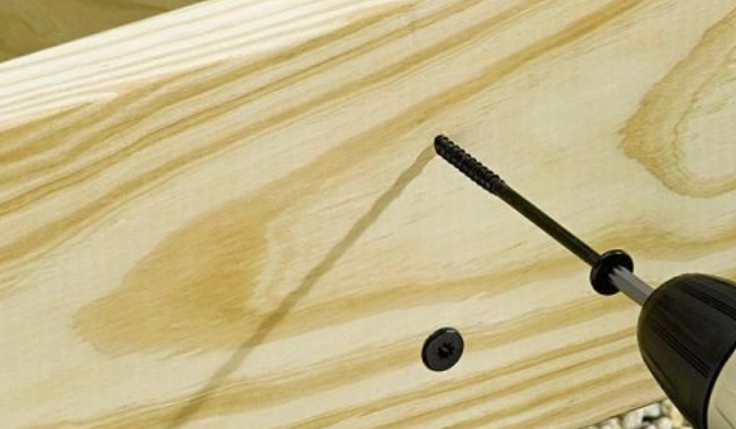
The way threads are shaped decides how tightly a screw holds into the base material. Deep, pointy threads slice into wood strands or man-made stuff to form a solid grip. Most structural screws have tips that tap themselves, so you skip or cut down pre-drilling. This saves time at the job site and lowers chances of cracks. Different head types—hex, washer, or flat—spread out the push evenly on the surface. This stops damage to the stuff under the head. Take fastening laminated veneer lumber (LVL), for instance. A washer head screw spreads the load better than a usual sunk-in head. In one deck job I heard about, this choice prevented any wood crush under heavy steps.
Manufacturing Standards and Quality Control
To keep things dependable in projects, structural screws follow set rules like ASTM A307 or ICC-ES AC233. These rules set measures for pull strength, side-cut power, and cover lasting power. Exact making keeps size differences small between groups, so each screw acts the same under weight. Makers run tough checks—pull tests, side-cut trials, and pull-back measures—to make sure every batch hits safety marks before sale. It’s like a safety net; without it, a single weak batch could spell trouble in a big frame.
How Do Structural Screws Withstand Heavy Loads?
Structural screws manage big weights not only from their tough makeup but also from how they share forces in the joint. When set up right, they make even paths for stress. This cuts down weak spots in the setup. Think of a bridge joint; even distribution keeps it from sagging over time.
Load Distribution Mechanisms
Thread shape helps spread up-and-down and side forces evenly over the sunk-in part of the screw. The broad touch zone between threads and base lowers stress at one spot. Head shape also helps by stopping bend in the material under squeeze. This matters a lot for thick man-made wood like cross-laminated timber (CLT). In setups with many screws, like truss links, up-down load paths line up to hold the joint firm even with changing weights. During a windy storm test, these paths proved key to no failures.
Shear and Tensile Strength Performance
The high-carbon steel in structural screws fights side forces better than nails or lag bolts. This lets them work well in still or moving setups without bending or breaking. Their pull strength handles big pull-out weights. This shines in lift cases, like deck ledger ties where up pull fights down gravity. Lab checks copy real stresses over long runs to prove these traits. In fact, one study showed they hold 20% more under repeated pulls than older options.
Long-Term Structural Stability
Resistance to tiredness is a big plus for lasting work. In spots with back-and-forth loads—like decks in wind or heat shifts—structural screws keep their tight hold without coming loose. Right twist during setup makes sure each one reaches its planned tight level. Some workers add glues or seals with structural screws to boost joint strength in mixed setups. Over 10 years on an outdoor platform, this combo showed no slip, even after harsh winters.
Why Are Structural Screws Preferred Over Traditional Bolts or Nails?
Structural screws gradually push out bolts and nails. They mix power with fast setup. This eases building while keeping extra safety room. It’s no wonder builders on big sites swear by them for daily use.
Installation Efficiency and Labor Reduction
Today’s self-piercing tips let these screws go into most bases without guide holes. This cuts setup time a lot at the work area. Tools with power drive them in fast while keeping straight lines. This is crucial for ready-made parts with small gaps. Unlike bolts, structural screws skip washers or nuts. So, fewer pieces per link mean easier supply and less work. On a recent house frame, this sped things up by half a day.
Enhanced Structural Integrity and Safety Margin
Thread hold all along the shaft gives structural screws better pull-back fight than nails or lag bolts. Those depend mostly on rub near the top. This lowers risk of coming out under pull weights. Plus, they cut into wood strands instead of forcing in. So, they cut split chances even close to sides or ends of man-made lumber. In edge fastening, this detail avoids costly redo’s.
Cost Efficiency Over Project Lifecycles
Single pieces might cost a bit more than nails or bolts. But overall job costs drop from quicker setup and less upkeep. Builds with rust-proof screws need fewer swaps over many years. This long life fits green building aims by cutting material use. It’s a win for spots like LEED checks. One firm reported 15% savings over five years on a school project thanks to this.
What Role Does Corrosion Resistance Play in Reliability?
Rust fight directly shapes how long structural screws keep their strength in weather hits.
Protective Coating Technologies
Cover layers like zinc plate or epoxy act as shields against water and rust start. For outside jobs like decks or shades, hot-dip zinc gives top guard with its thick layer. It stands up to scrapes in handling and driving. New ceramic covers stick well and stay steady with treated wood that has copper guards. In a humid garden setup, these held up without a single pit after two seasons.
Environmental Exposure Considerations
In beach areas where salt air speeds rust, sea-grade covers fit best for key links open to ocean wind. In wet spots—like base plates on concrete—barrier layers stop electric reactions between metals and base stuff in cement. UV-proof finishes help where sun could wear down normal plastic covers over time. Coastal builders often pick these for peace of mind.
Maintenance Implications for Durability
Pick rust-proof fasteners early, and check times can stretch out. Break down happens slower and more even. This makes upkeep plans simple for long-reach frames like walk bridges or open roofs where getting in is hard after build ends. Skipping early rust means fewer headaches down the line.
How Do Structural Screws Contribute to Design Flexibility?
Besides raw power, structural screws give builders and planners more room to create. They join varied stuff well without cutting safety. This opens doors to fresh ideas in builds.
Compatibility With Diverse Materials
Man-made threads work fine in soft wood frames, steel-to-wood joins with self-pierce points, and mixed panels with added glues. Head types change too. Trim heads hide for seen parts in designs, while washer heads give strong squeeze where looks matter less but hold does. A modern home used trim heads for clean lines without weak spots.
Integration Into Modern Building Systems
Ready-made flows now count on standard fasteners that fit auto-drive gear in house factories. Digital tools add screw details to 3D models. Planners guess bend actions before site work starts. This is common in BIM plans. It cuts surprises and boosts flow.
Influence on Architectural Innovation
With slimmer but stronger join systems, creators can try thin frames once held back by fat bolt links. Structural screws back take-apart builds for later reuse. This matches round economy ideas that focus on saving stuff over trash from tear-down. In eco-projects, this shift feels right, even if it takes some getting used to.
What Testing Methods Validate Structural Screw Performance?
Checks confirm if each group works steady in real job spots before site delivery.
Mechanical Load Testing Procedures
Up-pull tests gauge out-hold power in bases like spruce-pine-fir or LVL beams. This sets solid design numbers for planner math. Side tests check side fight in still push and moving hits. Twist-to-break checks help set right setup twists. This stops over-push that hurts hold. Labs often run 50 cycles to mimic years of use.
Environmental Simulation Assessments
Fast rust checks copy years of wear in days with wet rooms full of salt mist turns then dry spells. Heat shift tests see if screw grow rates match nearby stuff in year temp changes. This is key for joining unlike parts like metal bits in wood frames. One test showed a 10% better match with coated types.
Certification and Compliance Verification
Outside labs okay rules through groups like ICC-ES reports. These note checked traits like pull limits and cover types per ASTM rules. Makers keep track papers tying each batch to start materials. Regular checks confirm steady rule follow over product life. It’s thorough, but worth it for trust.
How Can Engineers Optimize the Use of Structural Screws?
For planners picking fasteners in tricky setups, best use comes from smart picks matched with exact setup watch. Don’t just grab from lists; think deeper.
Proper Selection Based on Load Requirements
Pick right sizes by figuring up pull plus side push with tables from maker guides or computer add-ons in tools like Tekla Structures or Revit for wood work. Base match guides if coated steel works inside or steel-free types need outside. Sink depth weighs hold against base thick limits without edge bursts. In a beam job, wrong depth cost a delay—lesson learned.
Installation Practices for Peak Performance
Watch twist to avoid strip heads in build while getting full thread hold over sink deep. Straight lines make sure even stress share in grouped screws spaced by code. Tuned power drivers give same twist in repeat jobs like floor panels with hundreds driven daily under rush. Consistency here pays off big.
Integration Into Engineering Design Calculations
Part models add screw bend numbers to whole link checks for true guess before make starts. Best load paths cut extra while keeping needed safety room. Add to BIM papers for easy track and buy ease, especially for okay hardware meeting area rules like Eurocode 5 Annex D for pin-like fastener act guess models used much in Europe. This ties it all together smoothly.
FAQ
Q1: What distinguishes structural screws from regular wood screws?
A: Structural screws come from hardened steel mixes checked for high pull strength. Regular wood screws lack ratings for big structural weights.
Q2: Can structural screws replace lag bolts directly?
A: Yes, most new types match lag bolt power. But they set up quicker since many bases skip guide holes.
Q3: How deep should a structural screw be embedded?
A: Often at least six times its width into firm stuff. But true deep depends on maker sheets noting pull limits by base kind.
Q4: Are stainless steel variants necessary indoors?
A: Not every time. Coated carbon steel works unless damp stays high, like in cellars or swim spots where steel-free lasts longer.
Q5: Do all brands meet building code requirements?
A: Just those with known okay like ICC-ES reports checking ASTM strength tests count for legal use in ruled build jobs around the world.


