
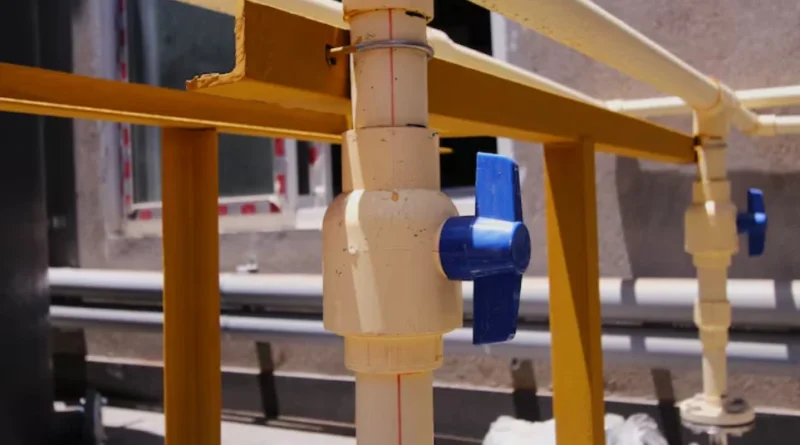
CPVC Fittings vs Alternative Materials Which Offers Better Longevity
Chlorinated polyvinyl chloride (CPVC) fittings see a lot of use in plumbing and industrial setups. They offer a good mix of low cost, strong resistance to rust, and simple setup. But their lasting power really comes down to how they deal with outside stresses, physical forces, and chemical contacts. When you stack CPVC up against metals or PEX, it helps you pick the right one for your project’s long-term needs.
Material Composition and Structural Integrity
CPVC comes from PVC after adding chlorine. This step boosts its ability to handle heat and chemicals. The added chlorine makes it stiffer and better at high temperatures. However, it can turn more breakable as years go by. Tiny changes inside the material cut down its ability to take hits. In places like mechanical rooms or hot water lines, this wear shows up after ten years or so. It happens faster if fittings face steady shakes or pressure changes. For instance, in a busy factory, those vibrations might speed things up even more.
Environmental and Chemical Resistance
One key strength of CPVC is its solid defense against chemicals. It stands up to acids, bases, salts, and common cleaners without breaking down. Still, long stays in sunlight break apart its building blocks. This leads to color changes and a rough, weak outer layer. In outdoor spots or close to windows that let in light, you need UV-blocking paints or covers. Heat that stays above 93°C for a long time also speeds up rust-like processes inside. These eat away at its pulling strength. I’ve seen cases where pipes near a sunny roof turned brittle in just a few seasons without protection.
Installation and Maintenance Factors
The top materials can still give out early if you don’t set them up right. Gluing with solvent needs the right warmth and clean ends. If not, the join won’t stick well. This causes drips or soft points that get worse over time. Holding pipes in place at set distances stops them from drooping. That keeps pressure off the fittings. Checking often for color shifts or tiny splits spots problems early. Then you can fix leaks before they start. Simple habits like this make a big difference in real homes and buildings.
How Does Aging Affect the Performance of CPVC Fittings?
Aging in CPVC setups takes time. It builds slowly from heat shifts, inside push, and outside factors. The plastic loses its bendy parts as it goes through growth and shrink cycles. In the end, it shifts from soft and tough to hard and easy to snap.
Thermal Expansion and Contraction Effects
Hot water runs through CPVC pipes, then cold follows. The material grows and shrinks with each change. After many years, these shifts make small breaks near joins or curves. Stress builds up there. If you ignore them, the breaks grow under push until something breaks. Think of a home with daily showers—those hot-cold switches add up quick.
Plasticizer Migration and Brittleness Development
CPVC has fewer softeners than regular PVC. But it uses helpers to stay bendy. Over many years, heat or fix-up chemicals pull these helpers away from the main body. What you get is a tougher wall that’s easier to crack. It can’t handle bumps well anymore. In older buildings, this often shows as pipes that snap under a light knock.
Stress Cracking Under Pressure Loads
Water push inside keeps a steady ring-like pull on fittings. Add in leftover strain from setup—like too-tight joins—and cracks form. In shops or offices with changing pressures, this wears things out faster than chemicals do. It’s a common headache for plumbers in big setups.
Are Metal or PEX Alternatives More Durable Than CPVC?
Picking CPVC, metal, or PEX means looking at toughness plus the place it goes and care it needs. Each one acts different with rust risks, heat changes, and physical pulls.
Corrosion Resistance in Metal Systems
Copper holds strong but gets holes from harsh water. That happens with low acid levels or lots of salts. Galvanized steel breaks down quicker in those spots. Coatings help for a bit. But rust thins the walls and cuts water flow in time. CPVC skips this trouble since it never rusts. In areas with hard water, like parts of the Midwest, metal pipes often need fixes every decade.
Flexibility and Thermal Stability of PEX Tubing
PEX bends easy around turns without extra parts. This cuts down leak chances over rigid CPVC lines. It also handles freeze-melt better. The tube can stretch a bit when ice forms inside. That’s handy in cold spots where CPVC might split. For homes in snowy states, PEX saves a lot of winter headaches.
Comparative Lifespan Under Typical Plumbing Conditions
In steady inside spots with even warmth and normal water, CPVC lasts 50 years or longer. It matches copper if you hold it right and block sun. But in places with big heat jumps or shakes, like factories, PEX beats both. It bounces back better. Real-world data from builders shows PEX holding up in tough spots for 60 years sometimes.
What Environmental Conditions Impact the Longevity of CPVC Fittings?
Outside factors often decide if CPVC hits its full life or quits early. Heat highs and lows, sun rays, and water makeup all touch the plastic’s build over time. Sometimes, a small thing like nearby steam can tip the scales.
Temperature Extremes and Thermal Cycling
Steady high heat speeds up inside breakdown. Cold makes it stiff and less bendy. Hot lines near heaters without wraps get too warm in spots. They soften then harden again when cool. This back-and-forth cuts life short. In a school boiler room, poor insulation might drop lifespan by 20 years.
UV Exposure in Outdoor Installations
Sunlight hits unprotected CPVC hard in weeks. It snaps the tiny links near the top. You see yellow tones then a powdery coat. Paints made for plastics stop this well for outside lines. Without it, pipes in a garden setup might fail in a year—I’ve heard stories from landscapers.
Chemical Contaminants in Water Supply
Water’s makeup matters quietly but a lot for long runs. Extra chlorine for clean water slowly breaks the plastic from inside. Low acid speeds up wet-break reactions at joins over years. In pools or spas with treated water, this hits harder than in plain homes.
How Do Repair Techniques Affect the Service Life of Aged CPVC Systems?
Fixing old CPVC lines needs care. Aged stuff gets weak from pulls or chemical touches. Smart fixes can stretch life out. Wrong ones might cause more breaks. It’s like patching an old roof—do it gentle or it worsens.
Solvent Welding Versus Mechanical Coupling Methods
Solvent gluing works great for fresh setups. It makes strong, even joins that hold leaks back. But on old hard pipes, the glue can crack spots as it dries. Push-fit sleeves are safer for worn parts. They skip extra chemicals. Plumbers often pick these for quick jobs in tight spots.
Reinforcement Strategies for Brittle Sections
For parts with early weak signs, like small outer breaks near turns, add bendy join pieces. They spread pull across more area. This cuts high strain that leads to big fails under push. In a apartment block, this simple swap saved a full redo.
Preventive Replacement Planning for Aging Networks
Don’t wait for random drips in an old web. Plan step-by-step swaps to cut stop time and keep things steady. Start with key spots like hot risers. This stops surprise halts when breaks spread. Building managers swear by this to avoid floods.
What Are the Cost Implications of Choosing CPVC Over Alternatives?
Looking at costs means more than first buy price. It covers setup ease and care needs over many years. Sometimes, cheap up front saves big later, but not always.
Initial Material and Installation Costs
CPVC runs cheaper than copper per length. It does similar jobs for home water up to 82°C. But bad gluing means extra work. That eats savings if new hands do it without watch. Trained folks keep it smooth, like in new house builds.
Long-Term Maintenance and Repair Expenses
No rust means care is mostly looks-over. No need to scrub or scrape like with metals. Spot fixes with matching parts hold costs down if you catch wear soon. In offices, this adds up to way less spending over time.
Lifecycle Value Assessment Across Material Options
Over 30 to 50 years, each has pluses and minuses. Copper looks nice but costs more to swap. PEX lasts long with little fuss. CPVC hits a sweet spot of cheap and solid when kept in bounds. It’s popular for home updates and school projects that watch budgets without losing trust. From what I’ve seen in trade shows, folks pick it for that balance.
How Can Engineers Optimize System Design for Maximum Longevity?
Choices in the plan stage shape how a pipe web fights wear for decades. Get it right early, and it pays off. Miss it, and fixes pile up.
Proper Sizing and Pressure Management Practices
Too-big pipes slow flow but let water sit. Too-small ones build push and tire fittings fast. Even speeds across lines keep pulls safe in daily runs. In a hotel, right sizes cut noise and wear by half.
Strategic Use of Expansion Joints and Supports
Bendy joints take up size changes from heat in feed and return paths. Holds placed by maker rules stop drops that bend turns hard. That’s a top cause of early breaks in stiff stuff like CPVC. Add them smart, and life jumps 10-15 years.
Integration of Monitoring Technologies for Predictive Maintenance
New building tools use push watchers to spot tiny shifts from leaks way before you see wet. Catch it soon for small fixes. This stretches the whole web’s run and cuts down time out in big places like clinics or classes. Tech like this is changing the game for old pipes.
FAQ
Q1: What causes brittleness in old CPVC fittings?
A: Prolonged heat exposure drives out stabilizers within the polymer matrix causing loss of flexibility which manifests as brittleness over time.
Q2: Can you use metal couplings when repairing cracked CPVC sections?
A: Yes—but always include dielectric unions if connecting dissimilar materials like copper to prevent galvanic reaction at interfaces.
Q3: How long do properly installed indoor CPVC systems last?
A: Typically between 40–50 years depending on temperature range stability and absence of direct UV light exposure during operation period.
Q4: Is painting outdoor CPVC pipes necessary?
A: Absolutely—it shields against ultraviolet degradation which otherwise weakens surface integrity within months under direct sunlight conditions.
Q5: Does high chlorine concentration affect new installations immediately?
A: Not immediately; however continuous exposure accelerates oxidative breakdown leading to premature embrittlement after several years especially near heater outlets where temperatures remain elevated.


