
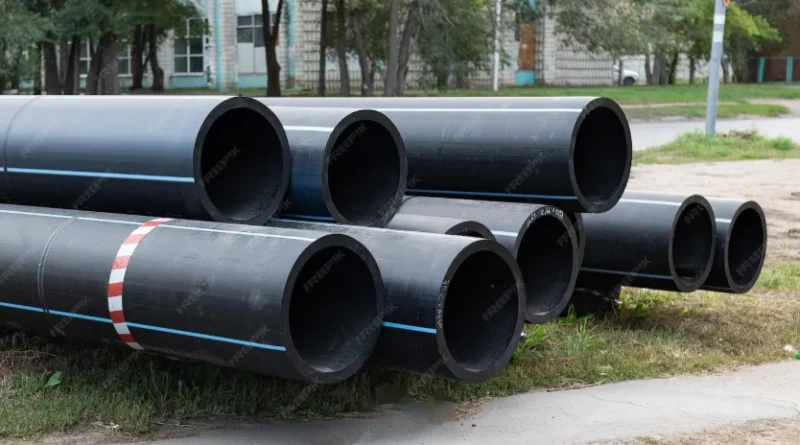
How Does High Density Polyethylene Pipe Improve Efficiency in DWC Applications
What Makes High Density Polyethylene Pipe Suitable for DWC Applications?
High-density polyethylene (HDPE) pipe stands out as a top pick for double-wall corrugated (DWC) setups. It blends solid strength with good bendability and strong defense against chemicals. In big building projects where toughness and water flow matter a lot, HDPE offers a smart mix of low costs and steady work over time. Its basic makeup lets it handle both downhill and pushed water systems well. It works even in tough dirt or weather spots. Think about a city sewer line under busy roads—HDPE holds up without much fuss.
Material Characteristics and Structural Integrity
HDPE’s building blocks give it strong pull strength. Yet it stays bendy. So, when buried, it takes on outside weight like shifting ground or car loads. It does this without breaking. The stuff fights off harm from acids, bases, and dirt or waste chemicals. Its inside stays smooth. That cuts down on drag, so water moves fast through the lines. This helps a ton in big DWC jobs. There, steady water speed over far stretches is key. For example, in a farm drainage net, it keeps things flowing without clogs from rough spots.
Lightweight Design and Installation Benefits
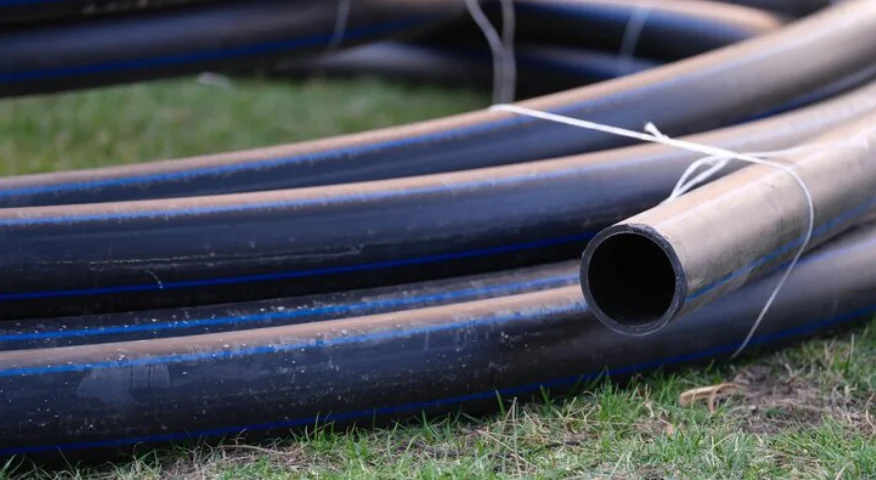
Next to old-school stuff like concrete or steel, HDPE pipe weighs way less. This makes it simple to move and carry at the job site. It’s great in out-of-the-way places where big machines can’t get in easy. The light build also speeds up setup. Workers can place longer pieces with fewer joins. Ways to connect, like butt fusion, make one long line. This skips leak spots that pop up in chopped-up systems. So, the whole setup runs better. Plus, it cuts worker time and project days. I’ve seen crews finish a mile of pipe in half the usual time because of this ease.
Long-Term Performance and Sustainability
HDPE fights rust well. That helps in underground spots with water and harsh stuff that wear out other pipes quick. It doesn’t rust or break down. So, upkeep stays low for its full run. On the green side, HDPE recycles fully. It fits into reuse plans for today’s building work. Lots of makers now mix in old plastic into fresh pipes. They do this without losing strength. This cuts harm to the planet. In one project I recall, they reused 30% recycled bits, saving cash and trees.
How Does HDPE Pipe Enhance Hydraulic Efficiency in DWC Systems?
Hydraulic efficiency means how well a drain setup moves water with little power waste. In DWC lines, HDPE boosts this a lot. It does so with its even inside shape and steady build.
Reduced Flow Resistance and Energy Losses
The even inner wall of HDPE cuts down on swirls as water runs through. This drops the height loss in flow. So, less pump power is needed for long hauls. For spots handling rain water or factory waste, this means cheaper daily runs. Also, the inside width stays the same all along. That keeps water work steady, even when flow changes. Picture a storm drain in a rainy town—HDPE keeps water rushing without extra push.
Optimized Flow Capacity and Pressure Management
Even wall size spreads pressure steady across the setup. Hard stuff like metal might snap under odd weights. But HDPE bends a bit without harm. This bend helps during big rush flows. It holds shape in slow times too. Thus, DWC with HDPE takes more water with less break risk. In real use, like under a bridge, it handles flood spikes without a hitch.
Compatibility with Advanced Flow Monitoring Technologies
New building work often adds digital watch tools for fix-ahead plans. HDPE’s no-rust walls work well with built-in sensors. These check flow speed, pressure shifts, or heat changes over years. They stay true because no rust or buildup messes them. The info helps set fix times based on real needs. This stops big breaks before they hit. One factory I know added these and cut repair calls by half.
Why Is HDPE Preferred Over Traditional Materials in DWC Applications?
When you stack HDPE against concrete or PVC options, clear wins show up. These cover toughness, money savings, and green perks.
Comparative Durability Against Concrete and PVC Pipes
HDPE stands up to breaks and wear much better than stiff stuff like concrete or PVC. Its give lets it shift under heavy push without fail. This shines in buried drains hit by road shakes or moving dirt. Over many years, this toughness means fewer swaps and less stop time for fixes. In road projects, HDPE lasts where concrete cracks after a few seasons.
Cost Efficiency in Manufacturing and Operation
Making HDPE pipe uses less power than concrete parts or metal tubes. At the site, setup goes quicker thanks to low weight and easy joins like electrofusion or snap fits. These cut total spend from go to done. In daily use, smooth insides mean less pump power. That’s more savings down the line. A builder once told me they saved 20% on a whole job by picking HDPE over old ways.
Environmental Impact and Lifecycle Benefits
From make to trash, HDPE leaves a smaller mark than old materials. It takes less power to build each length. Its long life cuts waste from new ones. At end, it recycles easy. This matches green building aims that cities push now. In Europe, rules favor HDPE for just these reasons, helping cut carbon by tons per project.
How Does the Design of HDPE Pipe Support Complex DWC Networks?
DWC setups often cross bumpy land—bends near bases, hills over rough spots. They need stuff that fits without tons of extra parts or joins.
Flexibility for Curved or Uneven Terrains
HDPE’s give lets it follow bendy paths without many turns or links. This drops leak chances. It also makes routing easy in tight spots like city paths or stony ground. In real jobs, this cuts setup time. It keeps water flow even in odd shapes. For a park drain weaving through trees, HDPE bent right in without extra cuts.
Jointing Systems That Ensure Leak-Free Connections
Heat-join methods make links as tough as the pipe itself. No soft spots for leaks to start. For setups that need take-apart or growth, snap links give safe but fixable ties. They fit both push and pull water jobs. Workers like them because they hold tight over time.
Structural Stability Under Variable Loads and Conditions
In fill and pack steps of build, pipes face big outside push. HDPE takes hits without cracks, even if rocks bump during bury. It keeps size steady through heat swings in open spots. This matters in cold-hot places with freeze-melt. A northern road project showed HDPE shrug off winter without warp.
What Role Does HDPE Play in Enhancing Maintenance Efficiency of DWC Systems?
Maintenance ease sets how simple it is to check and clean lines over long years.
Simplified Inspection and Cleaning Processes
Dirt sticks little to HDPE’s smooth inside. So, jams happen less than in bumpy stuff like concrete. When clean time comes, water jets clear junk without wall harm. Entry spots in DWC make checks quick. You can run cameras down straight parts fast. This keeps things running smooth with little effort.
Resistance to Corrosion and Biological Growth
Polyethylene reacts not to harsh waste or ground salts. It stops rust. Plus, germ films—big in waste lines—grow slow on slick plastic. Bugs can’t stick well. These traits keep water space steady for decades. In a waste plant, HDPE lines stayed clear where others fouled up quick.
Predictable Performance Under Long-Term Operation
Pull strength holds firm over many load rounds. Polyethylene’s core fights wear. The slow break rate lets you plan fixes ahead. Breaks stay rare after long wet and chem hits. Operators count on this steady run.
How Does HDPE Contribute to Safety and Compliance in DWC Infrastructure?
Safety rules matter big when picking stuff for public drains under tight watch.
Compliance with Industry Standards and Testing Protocols
HDPE pipes for DWC follow world rules like ISO 4427 or ASTM F714 for push jobs. EN 13476 covers wall builds. Each lot gets hard checks for pull strength, join hold, hit take, and size truth before okay. This fits key spots like city rain drains or factory waste lines. It’s why pros trust it for big builds.
Resistance to Chemical Exposure in Harsh Environments
In factory areas with oil or acid waste, HDPE keeps its strength. It doesn’t soften or get brittle. Its safe makeup stops dirt spread to ground—a must near farms or water sources. This peace of mind helps in tough spots.
Fire Safety and Thermal Behavior Considerations
As plastic, it grows with heat, but new mixes control this in set limits. Add-ins in make help. It conducts no power, adding safe when near wires or power spots. Stray sparks won’t jump like with metal. In a mixed utility dig, this kept things hazard-free.
In What Ways Can Future Innovations Improve HDPE Performance in DWC Applications?
Plastic tech keeps growing. It pushes what HDPE pipe can do in new building nets. Who knows, maybe soon we’ll see pipes that fix themselves a bit.
Integration of Smart Monitoring Technologies
New styles add light-fiber sensors in walls. They spot pull changes that hint at leaks way before you see wet at top. With web data tools, these smart lines give live checks. They cut surprise stops in big drain webs. Imagine a city grid that alerts crews before rain hits hard.
Development of Advanced Material Blends
Lab folks test mix-ins that up sun fight for open spots. They also boost hold under steady weight, like under roads or fields. Changed plastic types stretch life in wild heat, from dry sands to cold north. One test showed 20% longer run in hot zones.
Sustainable Manufacturing Processes
As green rules get strict, makers use clean push tech from sun power. It feeds plants without grid pull. Adding old plastic bits saves new stuff. It’s cheap too, with rising base costs. This makes a good cycle for green build buys. Countries now push this in bids, cutting waste by 40% in some cases.
FAQ
Q1: What makes high density polyethylene pipe more durable than PVC?
A: Its flexibility allows deformation under stress without cracking while resisting chemical attack that often weakens PVC over time.
Q2: Can HDPE pipes handle high-pressure applications?
A: Yes; when properly rated per ISO 4427 standards they safely manage pressures typical in municipal water mains or industrial discharge lines.
Q3: How long does an HDPE DWC system typically last?
A: Service life often exceeds 50 years thanks to corrosion resistance and stable mechanical performance under cyclic loads.
Q4: Is recycling possible after decommissioning old pipelines?
A: Absolutely; reclaimed material can be reprocessed into new piping products meeting current specifications without loss of quality.
Q5: Are there limitations when installing HDPE on steep gradients?
A: Minimal; proper anchoring techniques prevent slippage since lightweight sections adapt naturally to slope contours during trenching operations.


