
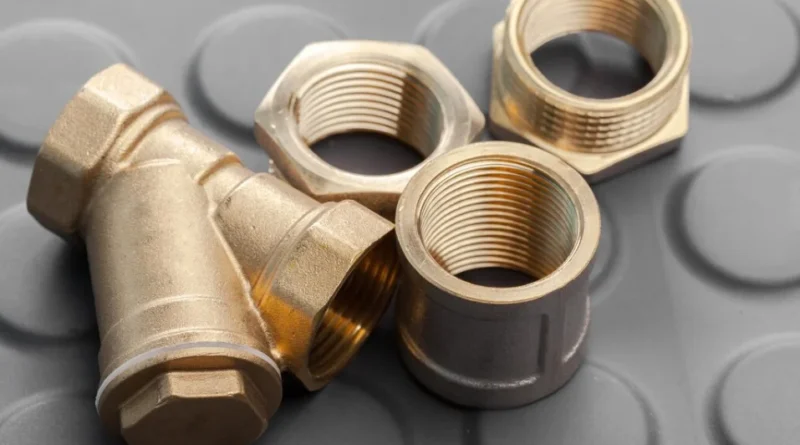
Is Brass Nipple More Resistant Than Stainless Steel in Aggressive Water Chemistry
What Determines the Corrosion Resistance of Brass and Stainless Steel Nipples?
Look at brass and stainless steel nipples next to each other. Their power to resist corrosion matters a lot for how long they last. These two materials act in different ways around water that has all sorts of chemicals. The changes come from deep down at the atom level. How the parts in their mixes respond to oxygen, chloride pieces, or shifts in heat sets how they do in pipe work or factory gear. In everyday use, this can mean the difference between a setup that runs smooth for years and one that needs fixes too soon.
Alloy Composition and Microstructure Differences
Brass comes mostly from copper and zinc put together. Copper gives simple guard against corrosion with a slim oxide coat. Zinc adds some power, but it also brings in a weak spot for picking out leaching. Stainless steel differs. It bases on iron with chromium inside, and nickel too in many cases. Chromium joins oxygen to make a firm oxide sheet. This sheet blocks the metal from more harm. Nickel keeps the austenitic build steady. It boosts strength and even spread. So, these mix differences tell us why brass often gets hit by dezincification. Stainless steel, though, banks on the steady passive film to stay safe. Think of it like brass having a shaky shield, while stainless has one that’s tough and quick to fix.
Electrochemical Behavior in Aqueous Environments
Water setups turn metals into electrode parts with their own power levels. Brass ranks above stainless steel on the galvanic list. That means it wears out faster if they link up electrically in the same wet mix. Water’s pH and salt bits change how this plays out. Sour spots or water that conducts well speed up the galvanic pull. For instance, hook a brass nipple to stainless pipes. It might turn into the anode side and break down quick if you don’t keep them from touching electrically. This happens a lot in mixed metal lines, like in older buildings where parts from different times get joined.
Surface Passivation and Protective Film Formation
Stainless steel gets most of its long life from the chromium oxide sheet. Scratch it lightly, and the sheet builds back on its own. It keeps the guard up even after small surface hits. Brass makes a dull coat from copper oxides or carbonates mostly. But this coat holds less firm in hard spots. That includes water with chlorine or the soft kind. When the coat fails, corrosion moves fast. There’s no built-in way to heal it. In practice, this means brass might look fine outside but weaken inside after a few seasons of tough water.
How Does Aggressive Water Chemistry Affect Brass Nipples?
Water’s chemical setup can shift how brass acts as years pass. Pipe lines that move treated city water or ground water with changing minerals see brass nipples under targeted hits. It all depends on salt amounts and pH evenness.
Impact of Chloride and Sulfate Ions on Brass Degradation
Chloride pieces stand out for pushing dezincification in brass mixes. They break through guard sheets and speed zinc melt from the base. This leaves behind hole-filled copper builds that miss solid strength. Sulfate pieces help in the same way. They create watery bonds that shake up surface oxides. Over months, this can turn a strong fitting into something brittle, especially in areas with salty well water.
Influence of pH and Dissolved Oxygen Levels
Water too sour, with pH under 6, boosts hydrogen work at the metal face. It hurries zinc pull from brass nipples. Lots of oxygen in the water makes corrosion stronger too. It aids reactions on bare copper after zinc leaves. In time, pink shades show up. That’s a clear hint of dezincification. Field reports from plumbers often note this color in pipes after hot summers when oxygen levels spike.
Role of Ammonia and Nitrate Contaminants
Ammonia mixes in certain factory waters or farm runoff can start stress corrosion cracking in brass parts under stretch. Ammonia works with copper to build tricky bonds. These bonds make grain edges brittle. Nitrate bits worsen it by shifting pH near crack ends. In farm irrigation systems, this has led to sudden breaks, costing time and money to repair.
How Does Aggressive Water Chemistry Affect Stainless Steel Nipples?
Stainless steels mostly deal with rough waters better than brass nipples. But they still face some spot corrosion types when the setup gets too wild.
Effect of Chloride Concentration on Pitting Corrosion
Large chloride amounts show up often in shore spots or water softener lines. They can upset the passive sheet on stainless steel faces. Once it cracks, small holes begin where chlorides gather in tiny gaps. These holes grow deeper with time. Inside parts stay cut off from oxygen needed to rebuild the sheet. A real case in a seaside plant saw pits form in under a year, leading to early checks now standard there.
Sensitivity to Temperature and Oxygen Content
Heat works like a spark for electric reactions. Over 60°C, waters with small chloride can still cause holes in basic stainless steels like 304. Salts move quicker then. Less oxygen makes it bad too. Fixing the passive sheet relies a lot on oxygen around. In hot water heaters, this combo has shortened life for cheaper grades by half, based on service logs.
Resistance Variability Among Stainless Steel Grades
Every stainless steel doesn’t act the same in bad spots. Austenitic kinds like 316 hold molybdenum. This makes passive sheets stronger against chloride pushes than 304 kinds without Mo. Duplex kinds give even more hold with their two-build setup. It joins power and better chloride deal. For a river treatment plant, switching to 316 cut failures by 70 percent over five years.
Why Is Dezincification a Critical Concern for Brass Components?
Dezincification stands as one key bad failure way for brass parts in pipe systems. Water chemical shifts make it worse there.
Mechanism of Selective Zinc Removal
While dezincification goes on, zinc bits melt into the mix first. Copper stays mostly whole but shifts to a soft holey web. The whole thing changes mix and tiny build at the same time. It’s a sneaky process that builds up without much noise until strength drops.
Structural Consequences of Dezincification
As zinc slips from the grid, empty spots grow inside the stuff. This starts hole build near faces hit by rough water streams. That hole cut makes it hold less pressure. It also ups leak chances at screw joins or press seals with brass nipples. In one apartment fix, this led to floods from weakened threads after eight years.
Mitigation Through Alloying Additions and Heat Treatment
Makers push back dezincification with small arsenic or tin adds to brass mixes. These bits stop picking leaching by steadying grain edges. They also smooth tiny build in melt or heat steps. Not perfect, but it helps in many water types. Industry tips say to pair this with good water tests for best results.
Can Stainless Steel Experience Similar Localized Failures as Brass?
Stainless steels avoid dezincification that brass gets. Yet they meet their own spot troubles, above all when still water lingers in pipes or hold tanks.
Pitting and Crevice Corrosion Under Stagnant Conditions
Flow halts for long times, and oxygen drops in tight areas like screw bases or seal meets on stainless parts. No good oxygen refresh thins passive sheets. This opens spot hits that spread inside to make deep slim holes. Hard to see from outside till leaks start. Vacation homes with unused pipes often face this after months of quiet.
Stress Corrosion Cracking in Chloride-Rich Environments
Under stretch stress from build leftovers or work pull, chloride hits can spark brittle break spread called stress corrosion cracking (SCC). This failure jumps quick with little sign, mostly at weld heat spots. Bridge supports near salt roads have shown this, cracking under load after a few winters.
Microbial Induced Corrosion Effects in Industrial Systems
Cooling towers or food lines let slimy films grow fast. Tiny life changes local mix there. It makes sour acids that tear oxide guards on stainless faces. This ends in under-layer corrosion looks like hole bunches. Dairy plants report clusters like this, tying to bacteria from poor cleaning routines.
What Are the Long-Term Performance Differences Between Brass and Stainless Steel Nipples?
Line up how long these materials serve by looking at chemical hold and fix needs in all sorts of work places.
Durability Under Variable Water Chemistries
Brass holds up fine in even ground water. It wears fast if chloride goes over about 50 ppm. Traces of ammonia hurt too. Stainless steel stays steady over broader chemical spreads. That includes light sour waters. But very high chlorides threaten still unless you choose the right grade. In Midwest farms with varying wells, stainless outlasted brass by double the time in tests.
Maintenance Requirements and Inspection Frequency
Brass setups need check-ups now and then for dezincification hints. Focus on hot water spots where heat hurries leaching. Stainless systems by shores or salt plants call for steady looks at hole starts. Use sight tubes or color tests based on reach ease. Hotel chains now schedule these yearly after early leaks taught the lesson.
Service Life Expectancy Based on Environmental Conditions
Normal home pipes with even city water let both last many years. But rough mixes with over 200 ppm chlorides see stainless steel win big. It often tops 30 years with little harm. Brass might swap in half that from inside soft spots by targeted hits. Data from city water boards backs this, with brass swaps every 15 years in tough zones.
How Should Material Selection Be Guided for Aggressive Water Applications?
Decide on brass nipple fits or stainless steel picks by digging into your site’s water facts first. Do this before putting them in.
Assessment of Water Chemistry Parameters Before Installation
Check chloride amount right off. It sets if plain brass works or if you need types that fight dezincification. Look at pH too, best 7 to 8. Hardness sways build-up odds. Oxygen levels touch coat power. Work heat rules reaction speed all around. Labs offer quick tests; one run can save headaches later.
Cost-Benefit Analysis Considering Lifecycle Performance
Upfront cash for stainless fits runs higher than brass matches. Their longer life and fewer fixes often cover that. It pays off most where hard reach makes later swaps pricey or in the way of work. Factory owners weigh this and find stainless cheaper over 20 years in salty air.
Recommendations for Optimal Alloy Selection by Environment Type
Mild rough city supplies call for DZR brasses that meet ISO 6509 tests. High chloride well waters over 250 ppm push for 316L stainless nipples with top hole fight. Factory lines with cleaners like sodium hypochlorite gain from duplex grades. They mix power with great chemical hold for steady run under changing pressures. Tailor to your spot, and it runs smooth.
FAQ
Q1: What causes dezincification in a brass nipple?
A: It happens when zinc selectively dissolves out from the alloy leaving behind weak porous copper residues that compromise mechanical strength over time.
Q2: Can stainless steel corrode like brass?
A: Yes but differently; it suffers mainly from localized issues such as pitting or crevice corrosion rather than uniform metal loss typical for dezincified brasses.
Q3: Which grade of stainless steel offers best resistance against chlorides?
A: Grade 316 due to molybdenum addition performs better than 304 especially in marine or softened-water applications where chloride concentration runs high.
Q4: How does temperature affect corrosion rate?
A: Elevated temperatures accelerate ionic movement increasing both general corrosion rates for brasses and localized attack risks within stainless steels even at moderate chloride levels.
Q5: When should you inspect installed fittings?
A: Check brass annually for color change indicating zinc loss; inspect stainless every few years focusing on crevices near joints particularly if system operates intermittently causing stagnant zones.


