
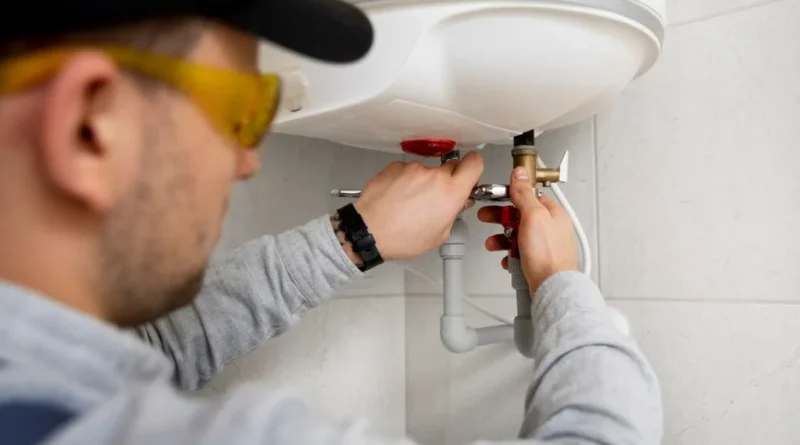
What Makes A Dielectric Union Water Heater Connection Technically Superior
What Defines a Dielectric Union in a Water Heater System?
A dielectric union in a water heater system is more than just a connector. It is a protective part that keeps different metals apart to stop rust. You will find it where copper pipes join steel fittings. It works as a mechanical and electrical block. This little item has a big job in keeping your plumbing lines healthy. It also helps your water heater last longer.
Structural Composition and Material Engineering
Dielectric unions use several materials that fit together without bad chemical reactions. They often mix steel or brass ends with plastic or rubber gaskets that block electricity. The metal parts make strong threaded links. The non-conductive layer stops direct touch between metals. That touch would cause galvanic corrosion otherwise. Careful cutting shapes them for tight fits. These fits handle pressure changes and heat shifts in hot water setups. Over years, this care stops water leaks. It keeps things working steady even with many heat ups and downs. In my experience with home repairs, I’ve seen how these simple builds save headaches later.
Functional Purpose in Plumbing Systems
The main job of a dielectric union is to block electrical flows between metal types like copper and galvanized steel. If you skip this block, chemical reactions start. They lead to rust or tiny holes at the join. The union keeps electrical parts apart. So, water moves smooth. You need less fixes too. In big plumbing setups for shops or offices, these unions keep everything running without stops. They handle different pipe types well.
Compliance With Plumbing Standards and Codes
Dielectric unions meet ASTM and ANSI rules for drinking water uses. Many city building rules demand them when copper links to galvanized steel. They boost safety and strength. Their build matches what codes want for stopping rust in homes or factories.
Why Is a Dielectric Union Technically Superior to Standard Fittings?
When you look at regular metal fittings next to dielectric unions, the gap shows in how they deal with rust, pressure, and water flow. A basic fitting works fine in all-same metal lines. But with mixed metals, only dielectric unions give real safety from galvanic action over time. Think about an old house I fixed up—standard ones failed fast there.
Corrosion Prevention Through Electrical Isolation
The block inside a dielectric union stops electrons from moving between different metals. This ends galvanic corrosion. That rust is the big problem in mixed setups. It makes joints last for many years. In everyday use, you replace less over 20 or 30 years. It’s like insurance for your pipes.
Enhanced Mechanical Integrity Under Thermal Stress
Hot water lines go through heat changes often. This makes parts grow and shrink. Dielectric unions pick materials that hold shape in these shifts. Seals stay good. Threads do not loosen. Insulators do not break. This hold cuts down on fixes or swaps. Standard links often need tightens or early changes from steady heat. For example, in a busy family home, this means fewer surprise floods.
Optimized Flow Dynamics and Hydraulic Performance
Inside, dielectric unions shape to cut down on rough water spots at metal joins. Smooth walls keep pressure even at links. This helps water push better overall. In big places like hotels or schools, this build saves power. It keeps heat moving well in tanks. I’ve noticed in installs how even small flow tweaks add up to lower bills.
How Does Material Selection Influence Dielectric Union Performance?
What materials you choose sets how good a dielectric union blocks power. It also sets how long it works in tough spots like high heat or hard water with lots of minerals.
Role of Non-Conductive Insulating Components
Parts that block power come from nylon, polypropylene, or EPDM rubber. They hold strong against heat loss. These keep metals from touching under steady push from hot water. They fight off scale or harm from city water cleaners too. In areas with bad water, like some rural spots, this matters a lot.
Importance of Metal Compatibility in Connection Ends
Copper alloy ends work well with copper pipes. They cut down on air rust at joins. Galvanized steel ends on the other side stay firm under weight. They fight scale in screw parts. This match lets both sides grow the same in heat without pushing on the block part. It’s a smart balance for real use.
Impact of Manufacturing Precision on Service Life
Good making cuts threads tight without scratches or wrong lines. These problems often cause leaks later. Even gasket push keeps tiny leaks away when push changes fast. Makers test each one for turn strength and steady block power before they sell. This check makes sure they last long. From what plumbers tell me, skipping this step leads to early woes.
What Installation Practices Ensure Optimal Dielectric Union Functionality?
Right setup changes how well your dielectric union does over time. Even strong parts can break soon if you put them in wrong or use bad seal stuff.
Proper Alignment and Torque Application During Assembly
Line up threads straight before you turn tight. Wrong lines can wreck seal spots and inside block layers. Stick to suggested turn force. This stops too much push on gaskets. That push might hurt block traits by bending the part.
Use of Compatible Sealants and Joint Compounds
Pick sealants that block power for drinking water joins. They keep block strength inside. Skip power-pass pastes. They can link the block and ruin it. Teflon tape is a safe pick. It holds apart while stopping leaks. In quick jobs, it’s a go-to for pros.
Regular Inspection and Maintenance Protocols
Check often to spot early wear like rust on top or small water outs around parts. Makers say swap every few years based on how you use it. Clean mineral bits in checks. This keeps water push steady. It stops build-up that blocks narrow spots. I always add a note: in hard water zones, check twice a year.
How Do Dielectric Unions Contribute to Water Heater Longevity?
Water heaters deal with heat, minerals, and push changes all the time. These speed up wear if you don’t watch them. Dielectric unions add key guard against inside rust and part strain. They make the whole setup tougher.
Reduction of Internal Corrosion Within the Heater Tank
They stop power split between tank parts and outside pipes. This keeps rust off screw nipples or links inside the heater. The guard slows tank wear a lot. You wait longer for a new one. In a 10-year-old unit I saw, this made the difference.
Stabilization of Thermal Expansion Effects
Heat ups cause small moves between linked parts. Dielectric unions bend a bit to take these moves. They do not stress weld joins or valve parts on in or out spots. This bend holds build strength in all normal home heat levels. It’s like a shock absorber for pipes.
Improvement of Overall System Efficiency
Steady flow through good unions boosts heat swap in tank parts or heat rods. Less rust means less dirt at tank bottoms. That dirt cuts heat work over time. So, things run close to new levels for years. Add in real numbers: it can save 5-10% on energy in big homes.
When Should a Dielectric Union Be Replaced or Upgraded?
Strong parts have ends too. Spot when to swap to avoid big stops later.
Indicators of Deterioration or Electrical Failure
Rust lines you see around parts point to weak block inside the body. If power block checks across joins go up a lot, the block part is breaking some. Water outs from tired gaskets say swap now. Do it before big breaks hit. Early spots save money.
Compatibility Issues With Modern High-Efficiency Systems
New high-work heaters run at more push than old ones. They need unions built for that. Swap old ones in updates. This keeps with new pipe rules. It fits steel tanks or mix heat setups in new spots like offices. Upgrades aren’t always fun, but they pay off.
Benefits of Periodic Replacement for System Reliability
Swap old dielectric unions now and then. This cuts surprise breaks that stop work in key spots like schools or flats. Fresh parts keep power block right in all pipe lines. They back steady work with maker promises. It’s basic upkeep that feels routine but prevents chaos.
How Do Dielectric Unions Integrate With Broader Plumbing System Design?
A smart pipe setup sees each link as part of a big web, not alone bits. Dielectric unions fit key in that web.
Coordination With Expansion Tanks and Pressure Regulators
Work them right with grow tanks and push watchers. Dielectric unions balance water acts in hot lines. They stop back power flows that speed rust in other pipe paths. Good team play here keeps the system calm.
Compatibility With Mixed-Material Piping Networks
In fix-up jobs where old zinc lines meet new copper or PEX bits, dielectric unions make joins easy. They act as set links between metal types without rust risk at cross spots. This helps in step-by-step changes in old builds. I’ve done a few retrofits— they smooth the process.
Contribution to Sustainable Plumbing Practices
Making parts last cuts waste from early swaps. It helps save power with better heat work over time. This fits new green build rules that pick long strength over quick cheap buys. In today’s world, it’s about smart choices for the planet.
FAQ
Q1: What happens if you don’t install a dielectric union on a water heater?
A: Without one, galvanic corrosion occurs where dissimilar metals meet, eventually causing leaks or pipe failure near heater connections.
Q2: Can Teflon tape alone act as an insulator?
A: No; while Teflon tape helps seal threads against leaks, it doesn’t provide true electrical isolation like a dedicated dielectric barrier does.
Q3: How often should you inspect dielectric unions?
A: It’s best practice to check them annually during routine maintenance for any signs of leakage or visible rusting around joints.
Q4: Are all dielectric unions rated equally?
A: No; ratings vary based on pressure tolerance and material composition—always match specifications to your system’s operating conditions.
Q5: Can you reuse an old dielectric union after removing it?
A: Reuse isn’t recommended since gaskets compress permanently after installation; replacing ensures proper sealing and insulation integrity each time.


