
What Makes the Perfect Kitchen Cabinet Hardware for Experts
What Are the Key Considerations When Choosing Kitchen Cabinet Hardware?
Picking kitchen cabinet hardware mixes everyday usefulness with smart style choices. You are not only selecting handles and knobs. Instead, you shape how your kitchen works and feels each day. A good pick can turn a plain space into something classy. On the other hand, a bad one might throw off the whole look. Every choice, from material to size, touches on how long it lasts, how easy it is to use, and its overall style.
Material Selection for Durability
The material decides how well your kitchen cabinet hardware holds up and how it changes with time. Stainless steel stands out as a strong option for lasting strength. It fights off rust, even in damp spots. Brass gives a classic look, but it calls for steady polishing to keep its shine. Zinc alloys save money upfront, yet they might wear out quicker in busy kitchens. In places near the sea, pick powder-coated finishes or special sea-ready metals to stop tarnish. Also, consider upkeep needs. Hardware that shines bright but demands constant wiping may not fit well in homes with lots of activity.
Aesthetic Alignment with Kitchen Design
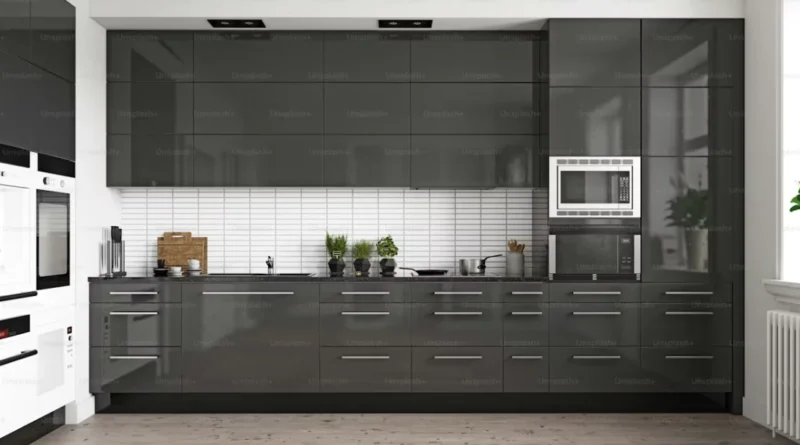
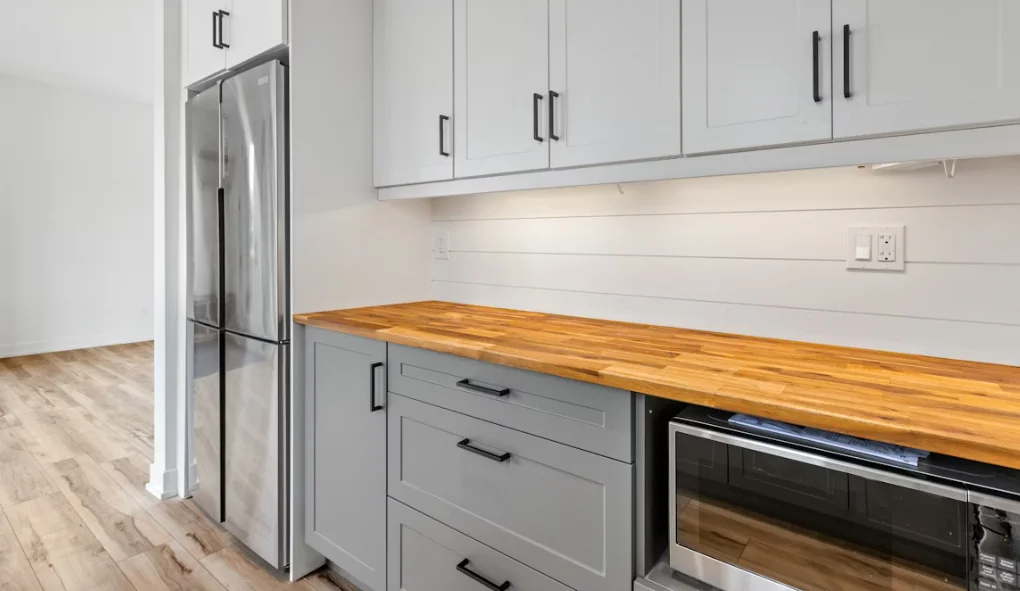
Hardware serves as the small touches that add flair to cabinets. It is tiny, but it packs a big visual punch. When picking colors and forms, match them to your kitchen’s main style. Simple bar pulls fit nicely in clean, modern setups or basic ones. Fancy knobs go well with old-fashioned or country-style kitchens. If your cabinets have strong wood patterns or painted faces, choose plain-colored hardware to even out the look. You can match finishes or pick ones that stand out on purpose. For example, dull black against white cabinets makes a bold spot without taking over the room. I recall a friend who did this in her small apartment kitchen, and it made the space feel bigger right away.
Functional Requirements for Daily Use
Looks matter, but how it works counts more for spots you use every day. Comfort in the hand plays a big part. Handles need to feel good to grab, even if your hands are wet or oily. Knobs look nice, but they can be tricky on big drawers. Long pulls spread the pull force better. Think about the people in your home too. Kids or older folks do better with bigger, smooth handles that do not need a tight squeeze.
How Does Hardware Finish Impact Kitchen Aesthetics?
The finish on kitchen cabinet hardware sets the feel and color in your design plan. It controls how light bounces off surfaces. Plus, it shapes the room’s vibe, whether warm, cool, rough, or fresh.
Influence of Finish on Visual Appeal
Various finishes build different moods. Shiny chrome brings in light and bounces it around well. This suits tight kitchens that need to feel open. Brushed nickel gives a quiet class without harsh shine. It works great in in-between style rooms. Oil-rubbed bronze adds cozy depth, perfect for old-style homes. Matte black is hot right now for new kitchens. It gives sharp contrast and punch, and it hides finger marks better than shiny types. In my experience from looking at home shows, matte black often makes a kitchen look put-together without much effort.
Compatibility with Other Kitchen Elements
Keeping materials in line is key for a smooth design. Try to match your cabinet hardware finish with sinks, lights, and machine edges when you can. For example, team stainless steel pulls with chrome parts to keep things even in fresh kitchens. But blending metals can look good too, if you plan it. Say, mix brass touches with black parts. This adds layers of interest without fighting each other.
Maintenance and Longevity of Different Finishes
Every finish comes with its own care rules. Chrome holds up against rust, but it shows dirt spots fast. Brushed types hide scratches better as years go by. Bronze gets a natural worn look that some folks like for its story. Others go for covered versions to keep the color steady. Clean it often with soft soap. This keeps the look fresh longer than strong cleaners that wipe away the top layer.
Why Is Size and Proportion Important in Cabinet Hardware?
Getting the size right is easy to miss. But it changes both the look and how easy it is to use in kitchen cabinet hardware picks.
Balance Between Hardware Size and Cabinet Dimensions
Hardware needs to match the cabinet’s scale. If it is too tiny, it gets lost. If too big, it takes over the front. A simple tip is to have pulls cover about one-third of the drawer’s width. This gives even balance. On high storage doors or big drawers, longer handles highlight up-and-down lines in a nice way. They keep things working well too. Think of a standard 24-inch drawer; a 8-inch pull often hits the sweet spot for most homes.
Impact on User Accessibility and Comfort
Size does more than look good. It sets how comfy it is for daily jobs. Big pulls give better pull power on drawers packed with pots or food stuffs. Small knobs might work for high shelves you do not reach often. The point is to make it simple to use without pulling hard or at odd angles.
Visual Weight and Its Effect on Kitchen Space Perception
Bigger hardware adds a heavy feel that grounds the cabinets. But in small rooms, it can make things feel packed. Thin shapes keep simple designs light and open. This helps a lot in city apartments where space is tight. Every bit counts there, and I’ve seen how slim pulls can make a cramped kitchen breathe easier.
What Role Does Technology Play in Modern Cabinet Hardware?
New tech has changed basic parts like hinges and drawer tracks into smart systems. They boost ease in ways you might not expect.
Integration of Smart Features for Enhanced Functionality
Today’s hardware links up with smart locks run by phone apps or touch sensors. This helps families stay safe around cleaners or important items in cabinets. It’s like having an extra layer of watchfulness without the hassle.
Innovative Mechanisms for Soft-Close and Push-to-Open Systems
Soft-close setups stop doors from banging shut. They use water-based brakes to ease the close. This small thing makes daily life quieter and safer, especially for little fingers. Push-to-open lets you just press to pop open. No handles show at all. It uses magnets to hold and release. This clean look is big in European kitchen styles. In one project I heard about, it cut down on noise in a family home by half.
Trends in High-Tech Materials for Cabinet Hardware
Companies try out light-strong mixes like carbon fiber or tough titanium covers. These beat old metals in strength per pound. They last longer and add a touch of future style. This draws in fancy home builds.
How Do Budget Constraints Affect Hardware Choices?
Money limits shape almost all kitchen redo picks. Even small bits like handles add up fast over many cabinets. You might spend $5 to $20 per piece, and with 30 cabinets, that’s real cash.
Cost-Benefit Analysis of Different Materials
Stainless steel costs more at first than zinc options. But over 10 or 20 years, it saves by not needing swaps. Plastic parts cut costs now, but they break down quick near hot spots like stoves.
Balancing Aesthetic Desires with Financial Realities
Style dreams often hit money walls halfway. Still, you can mix high-end pieces on eye-level spots with basic ones below. This keeps the fancy feel without breaking the bank. It’s a trick pros use to stretch dollars.
Long-Term Investment vs Short-Term Savings in Hardware Selection
Good soft-close hinges run higher upfront. But they cut down on cabinet damage from hard closes. This means less fixing later. Experts push for this swap, focusing on full life cost over just the tag price. Over time, it pays off, like how good tires last longer on a car.
What Are the Emerging Trends in Kitchen Cabinet Hardware Design?
Style shifts follow how people live now. They lean toward easy, green, and custom fits in homes.
Minimalist Designs for Contemporary Kitchens
Plain looks lead in fresh rooms. Straight bar pulls take over from fussy shapes. Sometimes, built-in edges hide hardware fully. This makes smooth fronts, loved in open living areas. Designers pick this for flow between kitchen and family spots.
Eco-Friendly Materials in Sustainable Kitchen Designs
Green ways push for reused metals or bamboo blends over regular ones. These picks shine in homes built for the earth. They cut down on harm from making stuff. It’s growing fast, with more shops offering these options every year.
Customization Options to Reflect Personal Style
Custom making lets you set exact sizes or add carved designs. This fits your own taste just right. From rough steel for city lofts to soft brass for beach homes, it catches the feel. One trend is adding family initials subtly, making it personal without showing off.
How Can Experts Ensure Optimal Installation of Cabinet Hardware?
Top hardware looks bad if put in wrong. Careful work sets pros apart from do-it-yourself tries every time.
Precision in Measurement and Alignment
Spot-on measuring keeps handles even across drawers. This stops odd lines that stand out under lights over counters. Pros double-check with tape and eyes to catch slips early.
Tools and Techniques for Professional Installation
Skilled folks use guides for even hole spots. They add laser tools to check straight lines before holes go in. These cut down on mistakes over big cabinet walls in made-to-order kitchens.
Common Mistakes to Avoid During Installation
Usual slip-ups are screwing too tight, which bends thin fronts. Or skipping starter holes, which cracks wood covers under push. These small errors turn into big fixes after the check stage. Always test one piece first to spot issues.
FAQ
Q1: What material lasts longest for kitchen cabinet hardware?
A: Stainless steel usually gives the best strength. It stands up to rust and marks, even with lots of daily pulls in full kitchens.
Q2: Can I mix different metal finishes within one kitchen?
A: Yes, blending finishes can look good if you plan it. For example, team dull black pulls with soft brass touches. This adds layers without mess, as long as you repeat it in spots.
Q3: Are soft-close mechanisms worth extra cost?
A: They sure are. They make cabinets last longer by easing close stress. Plus, they quiet things down, great for homes without walls.
Q4: How do I decide proper handle length relative to drawer width?
A: Pick pulls that cover about one-third of the drawer’s full width. This keeps things even and nice to see, no matter the style.
Q5: What’s trending now in modern kitchen cabinet hardware?
A: Plain straight shapes in dull black lead the way. Along with green stuff like reused aluminum, it shows the push for earth-friendly fancy homes around the world.


