
Why Are Undermount Drawer Slides Preferred in High-End Cabinet Design
What Defines the Appeal of Undermount Drawer Slides in Premium Cabinetry
In fancy cabinetry, tiny details often shape the full picture of skilled work. Among these details, undermount drawer slides catch the eye for their skill in blending hidden style with exact mechanics. They do not simply support drawers. They improve how those drawers slide, sound, and feel during everyday tasks. For designers and builders in upscale interiors, these slides have turned into a standard choice. They boost both the look and the practical side. I have seen projects where skipping them made the whole setup feel cheap, even if the wood was top-notch.
Seamless Aesthetic Integration
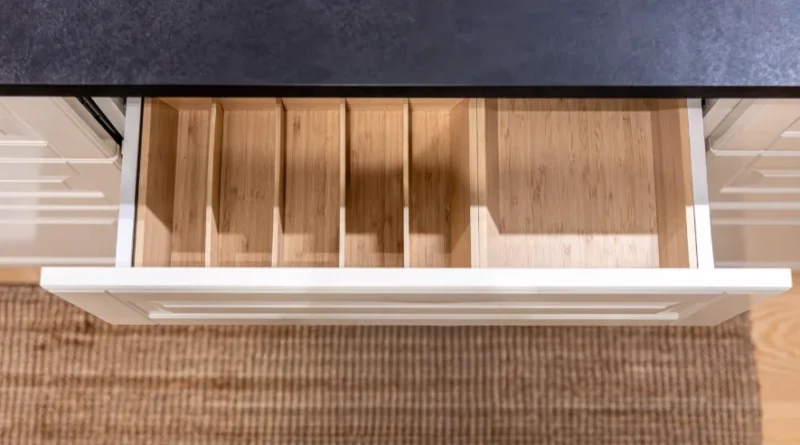
The main draw of undermount drawer slides is how they look. They fit under the drawer box, not on its sides. So, they stay out of sight when the drawer is open or shut. This hidden setup boosts smooth visual lines and simple design. It lets the cabinet’s wood and finishes shine. Without visible parts, it fits luxury tastes where every edge counts. In fresh kitchens or custom closets, that unbroken surface flow adds a touch of class. Think about a modern kitchen island—those clean lines make the space feel bigger and more inviting.
Enhanced Functional Performance
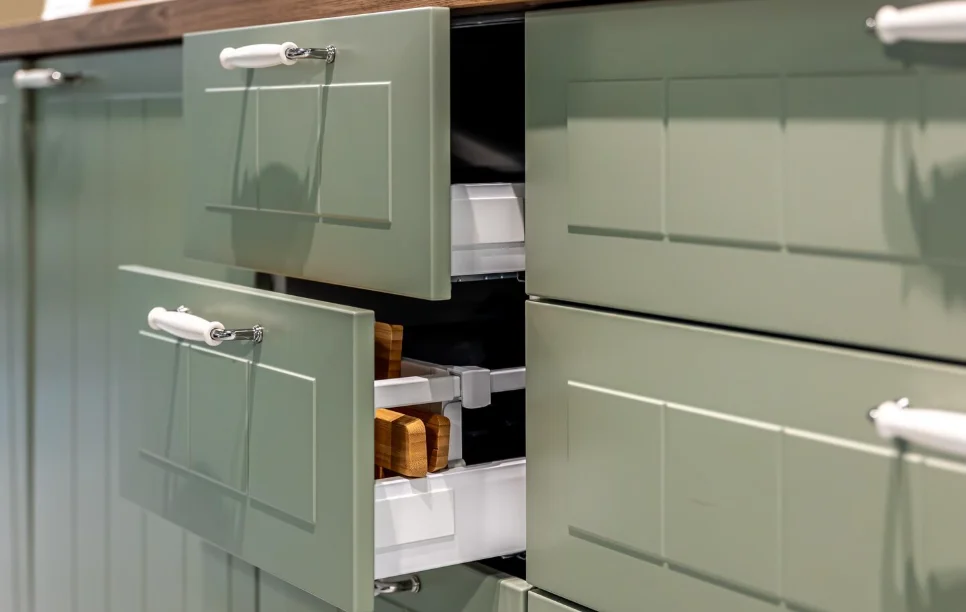
Looks aside, undermount systems offer a smooth touch that side-mount slides seldom beat. Their sliding action feels easy, even with heavy items. This comes from smart ball-bearing tech that cuts down on rubbing and sounds. Exact fitting parts keep drawers moving straight over time. No shaking or pulling. When people try that smooth pull—quiet but solid—it sticks in their mind as a sign of fine cabinet work. In a busy family kitchen, this difference shows up right away during morning rushes.
Durability and Structural Stability
Strength counts as much as style in pro setups. Tough steel or aluminum builds let undermount slides handle big weights—usually 75 pounds or more per pair—without bending. Since the setup is under the drawer box, it eases pressure on sides and connections. This helps the whole thing last longer. Coatings that fight rust guard against damp air or kitchen steam. They keep things working well in spots like home cooking areas or small shop displays. Over years, this reliability saves headaches for owners who hate fixing things.
How Do Undermount Drawer Slides Improve the User Experience?
For everyday folks, good cabinetry feels natural. Drawers open without noise, shut gently, and never get stuck. Undermount drawer slides are built just for that. Their parts include soft stops and full pull-out range. Every move feels planned but easy. In real life, this makes grabbing spices from a deep drawer less of a hassle, especially if your hands are full.
Soft-Close Mechanism for Controlled Motion
A key part of new undermount designs is the soft-close feature. Built-in softeners grab the drawer in the last few inches. They pull it shut in a gentle way. This slows down the end of the close. It cuts impact sounds and shields breakable items like cups or tools from hard bumps. As time goes on, this soft pull also helps parts last. Hard slams can shake loose joints or shift paths. I recall a hotel project where soft-close saved fragile dishware from daily knocks.
Full Extension Access for Maximum Utility
Full-extension undermount slides let drawers open all the way. You can see and grab every item inside—even stuff in the far back. This beats partial pulls that hide corners. It boosts storage smarts and ease of use each day. Whether pulling tools from a garage setup or bits from a bathroom drawer, full reach saves effort. It holds steady even when loaded. Picture reaching the last bit of pasta in a pantry drawer without tipping it over.
Silent Operation for Refined Environments
Keeping noise low marks fine indoor spaces. Top undermount slides have quiet designs that stop shakes or buzzes while moving. Paired with exact slides, they run almost without sound. This quiet work is a small but strong hint of good building skills. People notice it in upscale homes or guest spots where calm sets the mood. In a quiet breakfast nook, that hush makes mornings more peaceful.
Why Are Undermount Drawer Slides Considered a Mark of Quality Craftsmanship?
For cabinet makers, undermount drawer slides mean more than ease. They show careful building done with close measures. Using them points to a focus on top work in both machine and style sides. In workshops I have heard about, pros swear by them for that pro edge.
Precision Engineering and Tight Tolerances
Good undermount systems get made with small gaps between parts. This promises a perfect match during build. That closeness gives steady slide action across many pieces in a job. It matters when lots of drawers need to line up even along custom wood walls. Less wiggle in parts also builds trust for the long haul. Things wear out the same over time.
Material Excellence and Finish Quality
Choosing materials shapes how long they last and how they feel. High-end types use strong steel or treated aluminum with plastic wheels for less rubbing. Guards against rust hold up in wet spots. They keep smooth spots on touching areas. These nice covers match fancy woods like walnut sheets or shiny board without stealing the show.
Integration with Custom Cabinet Design Standards
For makers on special orders, fitting well counts as much as power. Undermount systems handle different drawer sizes while hiding parts. This works great for plain building styles popular now. They blend into old framed wood or smooth no-handle kitchens. Their hidden shape fits easy across looks.
What Technical Advantages Differentiate Undermount Slides from Other Types?
On the tech side, undermount setups do better than side or middle mounts. They spread weight better and keep lines even. These traits shine in big jobs where matching counts for good results. For instance, in a restaurant kitchen with 20 drawers, even pulls make service smoother.
Load Capacity and Weight Distribution Efficiency
Support comes from below, not the sides of the drawer box. Weight spreads even over both slide paths. It avoids uneven pull on up-down boards. This stops drooping with heavy pots. It also lengthens the machine life by cutting twist on screws. In heavy-use spots like pro bakeries, this even spread prevents early breakdowns.
Alignment Consistency Across Multiple Drawers
Many setup pros like the auto-fix features in good models. They make adjusting easy at first. Once set on flat tools, each next drawer lines up within tiny bits. This cuts time on big projects. It promises the same feel across a full kitchen row. Workers often share tips on forums about how this speeds up installs by half a day.
Maintenance Reduction Through Concealed Mechanisms
Hidden paths look neater and pick up less dirt than open side bars in old furniture. With fewer open rub spots, clean-up times stretch out. Junk can’t mess with wheels or paths as much. This edge shows up only after years of smooth work. Homeowners forget about them until a friend asks why their drawers never squeak.
How Should Designers Choose the Right Undermount Drawer Slides?
Picking the best undermount drawer slides means checking tech details against job needs. Do not just go by name or cost. Look deeper. In my experience from trade shows, wrong picks lead to callbacks that cost more than the savings.
Evaluation of Load Requirements and Drawer Dimensions
First, figure out the weight of stuff inside each drawer. Add the drawer’s own heft. Pick a bit over the usual load for extra safety. It builds in lasting strength. Measure right to match slide length with cabinet depth. This way, drawers shut even without spaces.
Selection Based on Motion Characteristics
Various move styles change daily use. Basic shut types fit work areas. Soft-close ones add comfort. Push-open fits plain no-pull designs in new homes. Pick the move that matches what the user likes. It shapes how good the setup feels in talks with clients.
Consideration of Brand Reliability and Product Certification
Known makers test their goods over 50,000 pulls under full weight. They back it with promises against early breaks. Checked stamps like ANSI/BHMA rules show they meet world standards. This proves key for work jobs needing proof papers before go-ahead. Always check reviews from real installs for hidden flaws.
In What Ways Do Installation Practices Influence Performance?
Even the best parts fail if set up wrong. So, care in placing them shapes smooth slides and how long they last. Pros know a bad mount can turn a dream kitchen into a frustration fest.
Importance of Precise Alignment During Mounting
Slides need to sit level and even in the cabinet space. A small off-kilter spot adds rough spots in the middle or fails to catch the soft-close at the end.
Use of Professional Tools and Measurement Techniques
Skilled setters use special guides for undermount parts. These hold brackets the same for many drawers. They keep even gaps in batch work. This counts big in set kitchen lines where looks must match. Without them, uneven heights throw off the whole look.
Post-installation Adjustment for Optimal Fit
Once done, tiny tweaks fix shifts from wood swell or site bumps. Most fine models have turn dials for small changes without taking apart. This lets experts finish big jobs quick. It’s a smart touch in tight deadlines.
How Are Future Innovations Shaping Undermount Drawer Slide Technology?
New waves in undermount drawer slides mix tech smarts with better materials. They aim to boost quick responses and cut waste in making. These changes could make old slides feel outdated fast, like how phones evolved.
Integration of Smart Motion Control Systems
Early test models add sense parts that change shut speed by user push. This fits smart home links where auto tweaks comfort over time. They connect through small wireless bits hidden in the slide body. Imagine a drawer that slows if you nudge it lightly—perfect for kids or elders.
Development of Lightweight yet Durable Materials
Studies on mix metals cut total weight without losing pull strength. At the same time, tiny rust-proof layers boost hold in salty air spots like beach homes. This ties into green goals pushing new builds today. Lighter slides mean easier installs for solo workers.
Expansion Toward Modular Design Flexibility
Builders now try part kits for fast swaps if one bit wears. No need to toss the whole thing. These let easy updates, like switching basic to push-open with swap softeners. It’s a smart shift to reuse ideas spreading in the field. In five years, this could cut waste by 30% in big shops.
FAQ
Q1: What makes undermount drawer slides different from side-mount ones?
A: They mount underneath rather than beside the drawer box, staying hidden while providing smoother motion and better weight distribution across both rails.
Q2: Are soft-close undermount slides worth installing?
A: Yes—they prevent slamming by slowing closure automatically which protects cabinetry joints over years of daily use while adding premium tactile feel clients notice immediately.
Q3: How much weight can typical undermount slides support?
A: Standard residential-grade pairs handle around 75 pounds though heavy-duty versions rated up to 100 pounds exist for commercial kitchen applications requiring higher capacity margins.
Q4: Can these slides be retrofitted onto existing furniture?
A: Retrofitting is possible but may require modifying existing drawers since undermounts need specific clearance underneath plus rear locking clips not present in older side-mount setups.
Q5: What maintenance do they require long-term?
A: Minimal cleaning occasionally suffices since concealed tracks resist dust buildup; periodic checks ensure adjustment cams remain tight maintaining consistent smooth glide year after year.


