
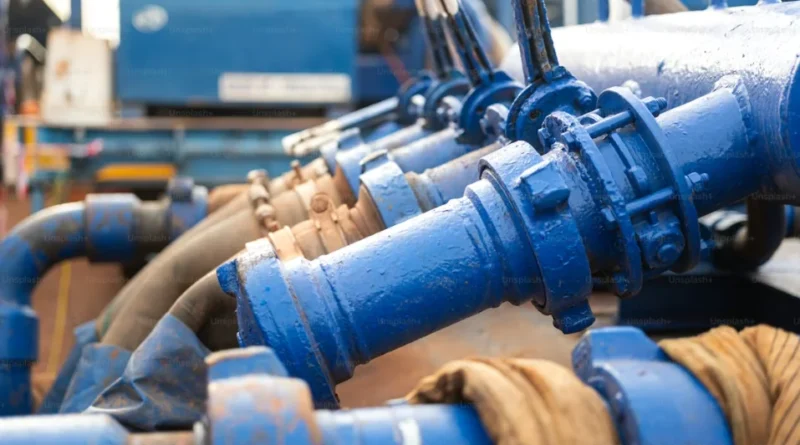
Why Choose Schedule 40 Pipe Connectors for Commercial Applications
Why Are Schedule 40 Pipe Connectors Preferred for Commercial Applications?
Schedule 40 pipe connectors serve as a key part in business and factory piping setups. People trust them for their solid build, good value for money, and flexibility. If you plan or update a setup that deals with pressure, heat shifts, and ongoing contact with liquids or gases, these parts often stand out as the best pick.
Durability and Strength
A big plus for Schedule 40 pipe connectors is how well they hold up against strong pressure and heat. Builders make them from stuff like PVC, stainless steel, or galvanized steel. These materials manage tough loads without bending out of shape. In business heating and cooling systems or water supply lines, this toughness means less chance of drips and a longer time in use. The stuff also fights off rust and things from the surroundings, like dampness or chemical contact. This matters a lot in factory areas where pipes face rough conditions every day. For example, in a busy warehouse with constant moisture, these connectors keep things running without quick breakdowns.
Cost-Effectiveness
Many building overseers think about money first. Schedule 40 pipe connectors cost less to start with than thicker types like Schedule 80. Yet, they still do a fine job for most tasks. Since they stand up to rust and rubbing, upkeep costs drop over the years. This mix of low price and solid work makes them great for growing projects. Think of factories or office buildings that need to expand without breaking the bank on pipes.
Versatility in Applications
These connectors win points for their wide use. You can apply them in many factory jobs, from air pressure setups to lines handling chemicals. They work with all sorts of liquids and gases. Their set sizes make it simple to add them to old piping without special changes. So, when you swap out worn parts or add more space, Schedule 40 pipe connectors slide right in. In real life, a shop might use them for both water lines and air tools, saving time on different buys.
How Do Schedule 40 Pipe Connectors Enhance System Efficiency?
In piping setups, being efficient means more than just quick flow. It also covers cutting energy waste and stoppages. Schedule 40 pipe connectors help with this through their smart design and simple handling.
Optimized Flow Characteristics
The inside of these connectors feels smooth. This cuts down on drag when liquids move through. As a result, pumps use less power to keep the flow going. It lowers the total energy used. Even inside widths make sure the flow stays steady across the whole setup. This helps in careful jobs like moving cooling water or controlling air pressure. Picture a factory where even flow keeps machines from overheating—small details like that make a real difference.
Ease of Installation and Maintenance
They stick to set sizes from ASTM and ANSI rules. So, putting them together is easy. You only need basic tools from any work site. No fancy gear required. If fixes come up, you swap parts fast. That’s because matching pieces are easy to find everywhere. This quick work cuts down on lost time. And in making spots, every minute without running hurts the output.
Reliable Performance Under Stressful Conditions
Business setups often see ups and downs in pressure or sudden heat jumps. Schedule 40 pipe connectors keep their shape in these tough spots. They avoid splits or drips. In hot steam pipes or cold water cycles, they hold steady without warping. This gives tight joins that don’t let go, even when pushed hard. From what I’ve seen in plants, this reliability prevents those surprise shutdowns that cost a fortune.
What Are the Material Options for Schedule 40 Pipe Connectors?
Picking the right stuff depends on your work setting. Things like chemical touch, pressure amounts, and heat levels all count.
PVC as a Common Choice
PVC, or polyvinyl chloride, weighs little and handles easy when setting up. Folks use it a lot since it fights off most acids and salts. Plus, it keeps costs down for big jobs like watering fields or waste water lines. When you need non-metal parts where fighting chemicals beats raw power, PVC does well. It’s like the everyday hero for simple, wet jobs that don’t need extra muscle.
Metal Variants for Enhanced Strength
For spots with bigger pressure, say in fire fighting or oil moving, metal types shine. Made from stainless steel or galvanized steel, they bring top-notch power and heat handling. These fit heavy work where you can’t skimp on safety. In oil lines under ground, for instance, the extra strength stops breaks that could lead to big messes.
CPVC for Specialized Needs
CPVC, which is chlorinated polyvinyl chloride, builds on PVC by taking more heat. It still fights chemicals well. You see it in hot water pipes or moving harsh liquids where metal might rust or build up gunk. This choice extends what PVC can do, especially in warmer spots around 180 degrees, without jumping to pricier metals right away.
Why Is Schedule 40 Pipe Connector Sizing Important?
Getting the size right does more than just join pipes. It shapes how well your whole setup runs for years.
Ensuring Proper System Functionality
Wrong sizes can block flow or build too much pressure. That stresses pumps and valves. Matching the connector to your setup’s needs keeps flow even. It also guards parts from early damage. In a water plant, say, right sizing means no surprises in output.
Compatibility With Existing Infrastructure
Most business spots use standard pipe sizes from ANSI. So, right-sized Schedule 40 pipe connectors blend in without extra bits. Those add-ons might create weak spots. This smooth fit saves headaches down the line.
Impact on Overall Project Costs
Good sizing affects the money side too. Too big wastes stuff. Too small causes problems that need pricey fixes later. Spot-on choices cut setup time and labor. They also hold down running costs with better work. Over a project spanning months, these savings add up quick.
How Do Schedule 40 Pipe Connectors Compare to Other Grades?
Pipe schedules show wall thickness next to the width. This affects weight, pressure hold, and price directly.
Differences Between Schedule 40 and Schedule 80
Schedule 80 has beefier walls than Schedule 40. So, it takes more pressure but weighs more and costs extra. In many business jobs without wild pressure, Schedule 40 gives enough power for less cash. It’s the practical middle ground, not overkill.
Advantages Over Lighter Grades Like Schedule 20
Lighter ones like Schedule 20 have thin walls. They suit low-pressure work, such as drain lines. But Schedule 40 brings better guards against pops or leaks. This safety counts in factory spots with strict needs. Switching to it often feels like upgrading from a bike to a truck—safer for the long haul.
Considerations When Choosing Between Different Schedules
Picking grades means weighing money limits against what the job demands. Look at pressure ranges, liquid kinds, weather around, and rules to follow. Don’t just chase the cheapest option. In my experience with builds, skipping this step leads to regrets when things heat up.
What Are the Key Standards Governing Schedule 40 Pipe Connectors?
Sticking to known rules makes sure parts from any maker work well. It also eases planning for builders.
ASTM Standards for Manufacturing Quality
ASTM, the American Society for Testing and Materials, sets rules on what goes into the materials. They also outline tests for pull strength, hit resistance, and size checks. This happens during making, no matter the supplier. These steps keep quality steady, like a promise of no shortcuts.
ANSI Specifications for Dimensional Accuracy
ANSI, the American National Standards Institute, lays out limits on size measures. Parts from various makers stay swapable. This helps when buying for huge jobs from around the world. No mix-ups in fit.
Compliance With Industry Regulations
Keeping to these rules shields folks from risks like drips or dirty flows. It also lets you run legally in different places. Builders earn trust by showing they follow these marks when buying gear. In tight spots like food plants, this compliance avoids fines that hit hard.
How Can You Maximize the Benefits of Using Schedule 40 Pipe Connectors?
Tough items last longest with good care and matching extras from skilled hands. A little extra attention goes far.
Regular Inspection and Maintenance Practices
Check-ups now and then spot early wear, like small cracks at joins or tiny leaks. Catch them before big troubles hit. Set maintenance keeps things smooth. It stretches the life of connectors in non-stop spots like factories. Aim for checks every few months; it pays off in fewer emergencies.
Selecting Appropriate Accessories and Add-ons
Pick seals or gaskets that match to tighten joins in shaky areas, like machine rooms. Use lubes okayed for the materials to ease setup without harm. For watching closely, add smart sensors. They ping alerts on heat changes or pressure oddities in the lines. These tweaks make the system tougher overall.
Training Personnel on Proper Handling Techniques
Teach workers the right twist force to avoid overdoing it on threads or seals. Give guides for fixing small woes fast, not calling outsiders every time. Push for learning about fresh pipe ways as things change. This keeps work smooth in a field that shifts now and then. Trained teams spot issues early, saving time and cash.
FAQ
Q1: What pressure rating do typical Schedule 40 pipe connectors support?
A: Pressure ratings depend on material type; PVC versions usually handle up to around 450 psi at room temperature while metal variants can exceed this depending on alloy composition. In practice, that’s plenty for most shop uses, but always check your setup’s needs.
Q2: Can you use Schedule 40 connectors outdoors?
A: Yes, especially those made from galvanized steel or UV-resistant PVC which withstand weather exposure effectively without significant degradation over time. Rain or sun won’t faze them much in a yard setup.
Q3: Are these connectors suitable for both liquids and gases?
A: Absolutely—they’re designed for compatibility with various fluids including air, water, oil-based substances, and certain chemicals depending on chosen material grade. From shop air lines to chemical drips, they adapt well.
Q4: How often should commercial systems using these fittings be inspected?
A: Typically every six months under normal service conditions; more frequently if exposed to vibration-heavy environments or corrosive media streams. Busy spots might need monthly peeks to stay safe.
Q5: What’s the main difference between CPVC and standard PVC connectors?
A: CPVC handles higher temperatures—up to roughly 200°F compared with PVC’s limit near 140°F—and offers improved resistance against aggressive chemicals found in some industrial processes. It’s a step up for hotter jobs without much extra cost.


