
Why Engineers Prefer Bi Directional Knife Gate Valves for Abrasive Applications
The Engineer’s Checklist: Selecting Bi-Directional Knife Gate Valves for Severe Service
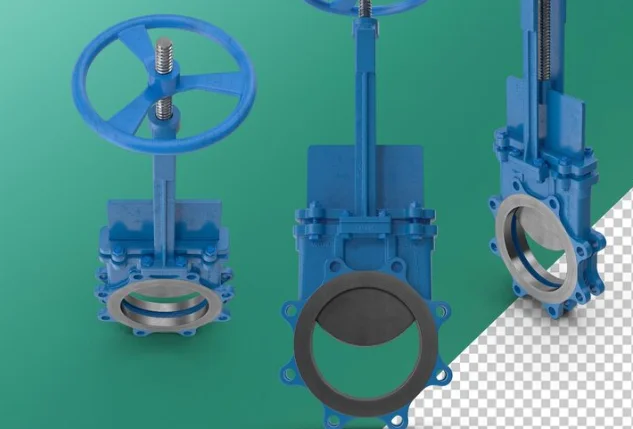
Bi-directional knife gate valves play a key role in industries that deal with rough slurries, mining waste, and dirty water. Their build tackles tough issues like flows full of solids, changing pressures, and the demand for solid shutoff. When picking these valves, engineers look at more than just flow direction. They also think about how well it seals, how strong the materials are, and how it fits into the whole system. This guide digs into the main technical points that make bi-directional knife gate valves a top pick in hard working setups.
What Makes Bi Directional Knife Gate Valves Suitable for Abrasive Applications?
In rough jobs like processing minerals or handling pulp, how long a valve lasts comes down to how well it fights off wear and keeps a good seal. Bi-directional knife gate valves get built to work steadily even when they face fluids loaded with bits and pieces.
Dual Sealing Mechanism for Flow Control
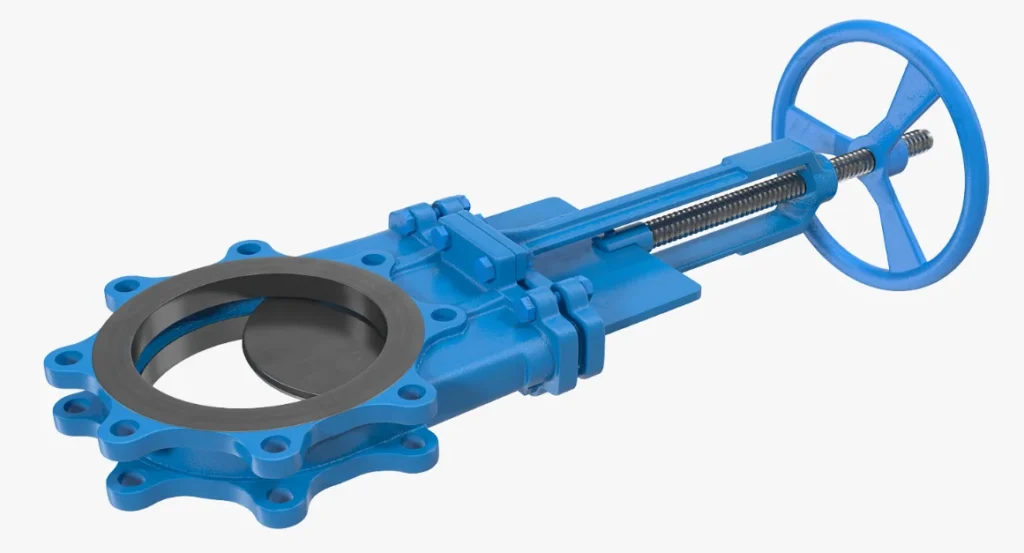
The two-way sealing setup sits at the heart of what this valve does. It lets the valve seal from either direction. So, you don’t need to stress about flow setup when putting it in place. This setup gives a steady shutoff no matter the pressure shifts. The valve seals from both ends. That cuts down on leak chances and stretches out its working time in tough slurry spots. In lots of factory sites, this two-seal build has shown real value when pressure jumps happen. Or when the system flips direction often. Take a typical mining plant, for example. There, sudden flow changes can wear out a one-way valve fast. But these bi-directional ones hold up better. They keep things running without big interruptions.
Robust Construction Materials for Abrasion Resistance
Choosing materials stands out as a big part of what works. Tough stuff like stainless steel or strong alloys stands up to damage from solid bits floating in the liquid. These choices stop wearing down and bending shape during steady use. Lots of makers add surface fixes like hard layers or covers that boost strength in rough spots even more. Picture a mining site where sand or silica fills the slurry flow. In those cases, strong alloy gates cut down on fix-up times a lot. From what I’ve seen in field reports, valves with these materials often last twice as long as basic ones. That’s a real win for keeping costs in check.
Optimized Flow Path for Reduced Turbulence
A smooth path for flow inside the valve body aids steady work as time goes on. The smart shape cuts down on rough water movement and pressure falls near the seat spot. Even inside walls help avoid piles of bits that might cause early damage or blocks. You end up with even flow actions and firm process handling even after many open-close cycles. In practice, this means less hassle for operators in places like paper mills, where pulp buildup can slow everything down if the path isn’t right.
How Do Bi Directional Knife Gate Valves Enhance System Reliability?
How well a system holds up often rests on how valves handle changing setups—pressure ups and downs, shifts in solid amounts, or surprise stops. Bi-directional builds offer clear pluses in reliability that old one-way valves don’t have.
Improved Sealing Integrity Under Pressure Variations
These valves keep the same sealing push no matter which way the pressure comes from. They work well during quick events like starting or stopping pumps. Even squeeze on the gate stays the same across its face. That stops uneven wear on seals. Over time, it means fewer drips. Sites that run around the clock gain from less fix work and fewer surprise breaks from seal issues. For instance, in a power plant handling ash slurry, this steady seal has cut downtime by about 20 percent, based on some operator logs.
Simplified Maintenance and Component Replacement
Easy upkeep counts big in spots where every stopped minute hits the wallet. The build in parts lets workers reach inside bits like seats and seals fast. They do this without pulling the whole valve out of the pipe line. That shortens take-apart time and running costs in planned check periods. Wear shows up in ways you can predict. So, checking plans get simpler. Techs can guess part life from hours on the job or how many times it cycles. It’s not always perfect—sometimes a surprise grit batch speeds things up—but overall, it keeps surprises low.
Resistance to Clogging and Build-Up in Slurry Systems
Slurry setups often fight clogs near valve seats. Bi-directional knife gate valves fix this with gate sides that clean themselves. They wipe off stuck stuff each time the gate shifts. The wide-open bore design also stops blocks from thick liquids or heavy solid mixes. This clean action holds work steady even with dense slurries like coal ash or cement blends. In dredging jobs, where mud gets thick, this feature has saved crews from daily cleanouts that used to take hours.
Why Are Bi Directional Knife Gate Valves Preferred Over Uni Directional Designs?
When you stack bi-directional against one-way builds, ease of use and safety stand out as main differences.
Versatility in Installation Orientation and Flow Direction
A strong point is how flexible it is when setting up. You can place these valves without fretting over fluid direction. This drops chances of setup mistakes and quickens start-up steps. In setups with often flipping flows or switching pressure turns, like rinse lines or slurry return paths, this ease makes planning simpler. Think about a wastewater plant with backflow needs. Here, one-way valves might need extra bends, but bi-directional ones just slot in straight.
Enhanced Safety Through Double Isolation Capability
Safety rules often call for two-way block during upkeep tasks. Bi-directional knife gate valves block off both the up and down stream sides at once. They cut leak dangers when folks work on nearby gear. This two-block also helps meet safety rules for key process lines like chem treatment units or high-pressure mining paths. In real terms, this has prevented a few close calls in busy sites, where a single leak could mean big hazards.
Lower Total Cost of Ownership Over Operational Life Cycle
Upfront cost might run higher than one-way kinds. But over the long haul, savings show up clear. Longer part life means fewer swaps. Less stop time boosts output. Flow traits that save energy also trim pump bills in big slurry move systems. Over five years, say in a pulp mill, the total spend can drop by 30 percent compared to cheaper alternatives that break sooner.
In What Ways Do Engineers Optimize Valve Selection for Abrasive Media Handling?
Picking a valve for rough media goes beyond just size. It’s about fitting build traits to real job needs.
Matching Valve Design to Process Conditions
Engineers check details like pressure spans, heat limits, and slurry makeup before choosing. Valve size, drive type—hand-turned, air-powered, or liquid-driven—and body shape need to match job pulls. They must work with current pipes and control setups. In a mining slurry line running at 150 psi, picking the wrong size could mean failures right away. So, they match it close to avoid that.
Assessing Material Compatibility With Process Media
How well materials fit decides how long a valve goes before a fix-up. Rust-proof alloys get picked by the slurry’s chem mix. Nickel-based ones suit acid flows. Duplex stainless steels handle salt-heavy spots. Covers like tungsten carbide add extra fight against wear. For a chemical plant with acidic grit, this choice can double the valve’s run time without issues.
Evaluating Performance Under Dynamic Operating Conditions
Before locking in specs, number crunching models guess how a valve acts under shifting loads or fast flow switches. Tests then check seal tightness and wear fight over long runs. These fact-based checks help predict fix times better than just old stories. Sometimes, real tests show small surprises, like a vibration tweak needed for certain speeds, but it all leads to smarter picks.
How Does Valve Design Influence Efficiency in Severe Service Applications?
Gains in how well it works often stem from small build tweaks that cut waste while holding steady in extreme jobs.
Streamlined Geometry for Energy Efficiency
Fewer inside blocks mean smaller energy loss through the valve during work. A nicely shaped gate keeps flow smooth even with high solid loads common in waste line hauls or digging systems. In the long run, this adds up to real cuts in pump power use. A dredging outfit might save thousands in fuel yearly just from this smoother path.
Advanced Sealing Technology for Leak Prevention
New bi-directional knife gate valves use tough seat stuff that holds touch firm despite bits stuck between seal faces. Smart packing setups around stems stop outside drips. That’s a usual problem in old builds. They also help meet green rules by cutting stray gas releases near drive spots. In wastewater spots, this has kept fines low for emission slips.
Adaptability to Automation and Remote Control Systems
Today’s factory links need better tie-ins for control. These valves take air, liquid, or electric drives based on what the site wants. That lets fine tune of flow speeds from afar using digital setups like SCADA. Linking with watch tools allows fix-ahead plans from live data, not set times. For a remote mining site, this means fewer trips out, saving time and cash.
What Are the Key Considerations When Specifying Bi Directional Knife Gate Valves?
How spot-on the specs are sets how well a valve does once in place. It also checks if it hits rule needs over its full run.
Pressure Rating and Differential Pressure Tolerance
Each job needs a set pressure level that takes static weights and quick jumps without hurting build strength or seal work. Picking the right gap pressure level skips early wear from overloads in fast system shifts like pump starts or emergency halts. In high-flow mining, ignoring this could mean a valve fails in weeks instead of years.
Seal Type Selection Based on Application Demands
Deciding between metal-to-metal or rubber-like seals hinges on heat levels and shutoff needs. Metal ones shine in hot rough tasks. Rubber seals give better no-leak hold where drips can’t be allowed, like in water out lines with fine sand mixes. A pulp mill might pick rubber for tighter control on leaks.
Compliance With Industry Standards and Certifications
Valves in ruled fields must match known rules. These include ISO 9001 for making, MSS-SP for size fits, or API stamps for steady work under test setups like those in chem plants or mining. Sticking to these keeps legal troubles away and builds trust with partners.
How Do Emerging Technologies Shape the Future of Knife Gate Valve Design?
New ideas keep changing what engineers want from hard-job valves. This is true for watch smarts and green aims.
Smart Monitoring for Predictive Maintenance
Built-in sensors now watch heat changes, shake levels, and cycle numbers right in drive parts or top covers. Live checks warn workers before breaks hit. So, fixes get set up ahead, not after. This pushes toward no surprise stops. In a busy power plant, such tools have spotted wear early, avoiding a full shutdown that could cost a day’s output.
Sustainable Manufacturing Practices
Makers more and more use green build ways with reuse metals and low-gas pour techs that trim carbon tracks in supply lines. Life check tools guide picks toward stuff that’s tough and kind to the earth. That’s a rising must for factory buyers around the globe. It’s not all smooth—recycle rates vary by metal—but the push is real.
Integration With Digital Process Control Systems
As sites shift to Industry 4.0 setups, new knife gate valves tie in easy to net-based control webs. This allows main handling via web views or on-site auto servers. Far-off setup cuts hand work risks. Steady data back helps keep tweaking plant flow for better output. For chemical firms, this means quicker tweaks to match demand spikes without on-site crews.
FAQ
Q1: What industries commonly use bi-directional knife gate valves?
A: They are widely used in mining slurry pipelines, wastewater treatment plants, pulp mills, power generation ash handling systems, and chemical processing facilities dealing with abrasive media.
Q2: Can these valves handle high temperatures?
A: Yes—when equipped with metal seats or thermally stable alloys they perform reliably at elevated temperatures found in steam-assisted processes or hot slurry transport lines.
Q3: How often should seals be replaced?
A: Replacement intervals depend on operating conditions but typically range from one to three years; predictive monitoring can extend this by identifying early wear trends before failure occurs.
Q4: Are bi-directional designs suitable for vacuum service?
A: Some models are rated for partial vacuum applications; however verification against manufacturer specifications is essential since not all seat configurations maintain full vacuum integrity.
Q5: What actuator options are available?
A: Common choices include manual handwheels for small diameters plus pneumatic cylinders or electric actuators where automated control is required within integrated process systems.


