
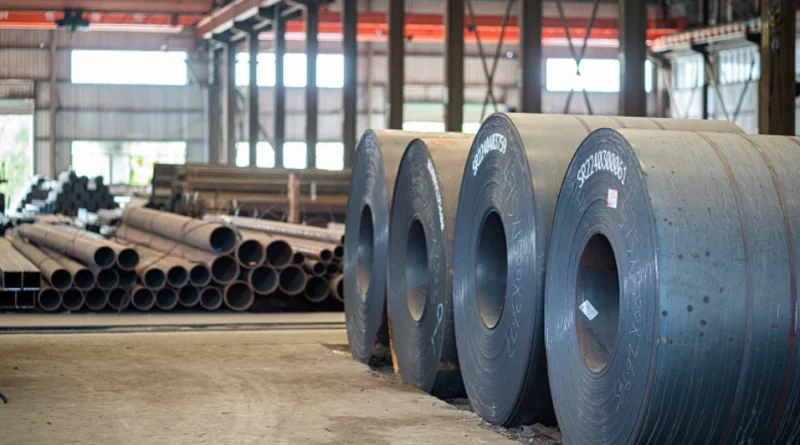
Is Carbon Steel The Key Factor In Choosing High-Carbon vs Low-Carbon Applications
What Defines Carbon Steel in Modern Engineering Applications
Carbon steel stays one of the top materials in engineering these days. It offers great flexibility, low cost, and a good mix of strength and bendability. That’s why it’s so important in many fields. You see it in car frames and big building supports. The key to its usefulness comes from the mix of elements and how carbon works with iron. This creates special strength traits that fit various needs.
Composition and Alloying Elements of Carbon Steel
Carbon steel mainly has iron and carbon. But tiny amounts of manganese, silicon, sulfur, and phosphorus can change how it acts a lot. Manganese boosts the ability to harden and pull strength. Silicon makes it more springy. These small parts might look unimportant. Yet they shape how the steel handles force or warmth. For instance, just a bit more manganese can turn soft sheet metal into a tough blade that doesn’t snap easily.
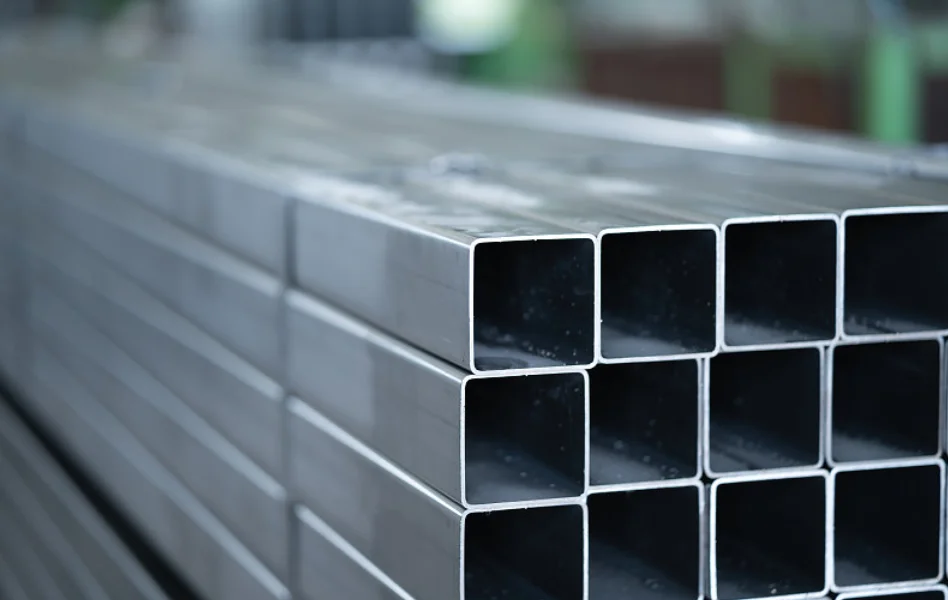
Mechanical Properties Determined by Carbon Content
The level of carbon decides if the steel will flex or snap when pushed. Steels with low carbon, under 0.3 percent, bend well and join by welding without trouble. High-carbon steels, over 0.6 percent, get very hard but don’t flex as much. The balance between hardness and bendiness matters a ton. Too much carbon makes it fragile. Too little keeps it weak. Engineers use this link to pick materials that hold weight or fight wear just right. Take a bridge beam, for example—medium carbon often works best to handle daily traffic without failing.
Industrial Relevance Across Engineering Sectors
Carbon steel’s flexibility makes it a must in areas where you need good work for the money. In car making, low-carbon types shape into body parts because they mold easily. Building experts use medium-carbon kinds for beams and supports that face changing weights. High-carbon sorts go into tools or machine parts that need to last against rubbing. I recall a factory tour where they showed how these steels cut production costs by 20 percent in some lines—practical stuff like that keeps it popular.
How Does Carbon Content Influence Steel Performance?
The share of carbon sets the strength features. It also changes how it handles heat, fights rust, and gets shaped. As you go from mild to high-carbon types, traits shift. Some changes help. Others don’t, based on the job.
The Relationship Between Carbon Percentage and Strength
More carbon means harder and stronger pull force. That’s because it forms cementite in the tiny structure inside. But there’s a downside. It cuts bendiness and joining ease. Tool steels with about 1 percent carbon get super hard after heat work. Yet they crack if you try to weld them. In real shops, this means extra steps for assembly, like using bolts instead.
Impact on Thermal Conductivity and Heat Treatment Response
High-carbon steels change a lot when you cool them fast after heating. They have more chance to shift forms. Heat them past key temps and quench quick. They turn into martensite, which is hard yet breakable. Then temper it for some toughness. Low-carbon steels don’t harden much. Their inside lacks enough carbon for full change. Think of a blacksmith—low-carbon might just stay soft, while high-carbon shines for sharp edges.
Influence on Corrosion Resistance and Surface Stability
Carbon doesn’t cause rust on its own. But higher amounts make steel rust faster. They change the edges of grains and limit other helpers like chromium. So high-carbon types need covers like zinc dips or metal layers. This keeps them strong in wet or harsh spots. Without it, a tool left outside might pit in months, not years.
Why Choose High-Carbon Steel for Specific Applications?
People pick high-carbon steel when wear matters more than easy shaping. For parts that rub or hit a lot, it holds up well if treated right. It’s like choosing a tough boot for rough trails over a comfy slipper.
Suitability for Wear-Resistant Components
High-carbon steel shines in spots with steady scraping. Cutting tools, knives, dies, and springs all use it. It keeps a sharp edge under constant push. The small pearlitic or martensitic setup inside fights bending from long contact with metals. In a sawmill, these blades last weeks longer than softer ones, saving downtime.
Performance Under High Load or Impact Conditions
For things like machine bearings or thick shafts, the high pull strength keeps shape under heavy squeezes. These steels stay steady size where weak metals warp for good after hits. Picture a crane hook—it needs that reliability to lift tons safely every day.
Limitations in Fabrication and Machinability
Still, the strength brings problems in making it. High-carbon steels wear down cutting tools fast because they’re so hard. Shaping like deep pulls or bends often cracks them. You have to warm them up or soften first. This adds time and cost, which is why not every shop loves working with it.
When Is Low-Carbon Steel the Preferred Option?
Low-carbon steel rules in big runs because it’s kind to shape and join. It’s not only cheap. It’s simple to work with all through building steps. Factories churn out miles of pipes from it without headaches.
Advantages in Weldability and Formability
With under 0.25 percent carbon, it bends smooth without breaks. It joins by welding clean, no need for pre-warm. This suits pipes, car shells, frames, and tanks that want solid seams over big builds. In shipyards, they weld huge plates fast, and it holds for decades at sea.
Cost Efficiency in Large-Scale Manufacturing
Low-carbon needs less heat work and basic cutting. So it saves power and hours. For building or vehicle makers turning out thousands daily, that means real money saved. One plant I read about dropped costs by 15 percent just by sticking to these grades for frames.
Compatibility with Surface Treatments and Coatings
Its soft base sticks well to guards like zinc baths or paint sprays. This boosts life even outside where water hits often. A fence made this way might outlast plain ones by double the time in rainy spots.
How Do Microstructural Differences Affect Application Decisions?
The tiny grain setup inside sets how each kind acts under push or heat. Engineers check these small patterns first. Tiny changes can shift how long it lasts against tiredness or breaks. It’s like looking under a hood to pick the right engine part.
Grain Structure Variations Between High and Low Carbon Steels
With more carbon, soft ferrite drops. Pearly pearlite takes over in the inside view. This tight setup boosts hardness. But it cuts bend strength. That’s key for parts that get sudden jolts. High-carbon might suit a hammer head, while low fits a flexible chain link.
Phase Transformation Behavior During Heat Treatment
When you heat past about 727 degrees C, both kinds turn to austenite. But they cool different. High-carbon makes martensite easy on fast cool. Low-carbon goes back to ferrite-pearlite mixes with little harden. In forges, this means high-carbon tools get that extra bite after treatment.
Influence on Fatigue Life and Crack Propagation Resistance
Even grains spread stress well. This slows crack starts at weak spots. Low-carbon usually does better against tiredness. Its bend lets small stretches happen instead of quick breaks. For bike frames, this means riding bumpy roads without sudden snaps—real-world toughness.
What Role Do Environmental Factors Play in Material Selection?
Even the best mixes fail if the surroundings push too hard. Heat changes, wet air, or chemicals all pick the right grade for long use. Ignoring this can lead to early fixes, like in coastal bridges where salt eats wrong steels fast.
Operating Temperature Ranges and Thermal Stability Requirements
Above 400 degrees C, strength falls quicker in high-carbon from big carbides in grains. Low-carbon holds better in mild heat, like near ovens or motors in buildings. A boiler pipe might use low-carbon to avoid sags over hot shifts.
Exposure to Corrosive or Oxidizing Environments
Bare high-carbon rusts quick in damp or salty air. Their tight insides hold dirt that speeds rust. So covers are a must for outside machines. Without them, a plow blade might dull in one season instead of five.
Maintenance Considerations Over Service Lifespan
Pick also looks at check times. Low-carbon needs regular looks but fixes easy by welding. High-carbon goes longer between checks. But once worn, it takes special fixes. In trucks, this means low-carbon bodies get patched quick, while high-carbon gears last but cost more to redo.
How Can Engineers Optimize Selection Between High-Carbon and Low-Carbon Steels?
Weighing money against work output guides most picks on carbon level for a job. It’s about finding the sweet spot, not always the strongest.
Balancing Mechanical Performance with Economic Constraints
Design folks use charts to match strength per buck against shaping hassle per pound. This shows if jumping from basic steel to tougher ones pays off over time. For a budget build, low-carbon often wins unless wear is killer.
Integrating Computational Modeling in Material Evaluation
Today’s computer tests show stress spread for different carbon levels before building real ones. It guesses bend areas spot on. So you tweak the pick early. In auto design, this cuts test runs by half, based on what I’ve seen in reports.
Aligning Material Properties with Functional Design Objectives
In the end, match traits like strength to weight or rust fight with goals such as holding loads or facing weather. This way, each part works steady its whole life. Sometimes, a mix of both carbons in one setup does the trick best.
FAQ
Q1: What distinguishes high-carbon from low-carbon steel?
A: The main difference lies in carbon percentage—high-carbon contains more than 0.6%, giving greater hardness but less ductility compared with low-carbon varieties below 0.3%.
Q2: Why is low-carbon steel easier to weld?
A: Its lower carbon content prevents carbide precipitation at grain boundaries during welding, reducing crack risk without requiring preheat treatments.
Q3: Can high-carbon steel resist corrosion naturally?
A: Not effectively; it usually needs coatings since increased carbon makes oxidation more likely at exposed surfaces.
Q4: Which type suits automotive body panels better?
A: Low-carbon steel fits best thanks to its flexibility during stamping processes and strong weld joints essential for vehicle assembly lines.
Q5: Does heat treatment affect both types equally?
A: No; only medium- to high-carbon steels show significant hardening after quenching because they contain enough carbon for martensitic transformation.


