
What Determines Stainless Steel Corrosion Resistance in Harsh Environments
What Factors Influence Stainless Steel Corrosion Resistance in Harsh Environments?
Stainless steel’s ability to fight corrosion comes from a mix of its makeup, inner structure, and the surroundings it faces. Small changes in the mix of metals or how the surface looks can matter a lot in tough spots like salty ocean water, factories with chemicals, or places that get very hot. We see this in real jobs, like pipes on ships or tanks in plants. Let’s look at what really affects this strength step by step.
Alloy Composition and Protective Elements
Chromium stands as the main part for stainless steel’s fight against corrosion. It creates a thin layer of oxide that covers the surface and blocks oxidation. When chromium goes over about 10.5%, this slim, sticky layer protects itself in most air types. Nickel, molybdenum, and nitrogen add more help. Nickel keeps the austenitic form steady. Molybdenum boosts protection against pits in areas full of chlorides. Nitrogen raises strength and guards against corrosion in tight spots. The right mix of these parts decides how well a type works in sour or salty settings. Take 316 stainless steel, for example. It has 2–3% molybdenum. This makes it hold up better than 304 in sea air. In one case I recall from a coastal plant, the 316 lasted twice as long without spots.
Microstructural Stability and Phase Balance
The way stainless steel is built inside matters a lot for how it handles corrosion. It could be austenitic, ferritic, duplex, or martensitic. Austenitic types like 304 fight even corrosion well. But they can crack under stress in chloride areas. Ferritic kinds avoid that cracking. Yet they lack some toughness. Duplex mixes both sides. This works great for sea platforms where you need strength and pit protection. When you weld or heat it, changes in the inner phases can weaken the fight against corrosion. Chromium carbides form along grain edges. These pull chromium away from spots. That leads to sensitization or attacks between grains if you don’t cool it right or heat it after welding. It’s a common issue in big builds, like bridges over water.
Surface Condition and Finish Quality
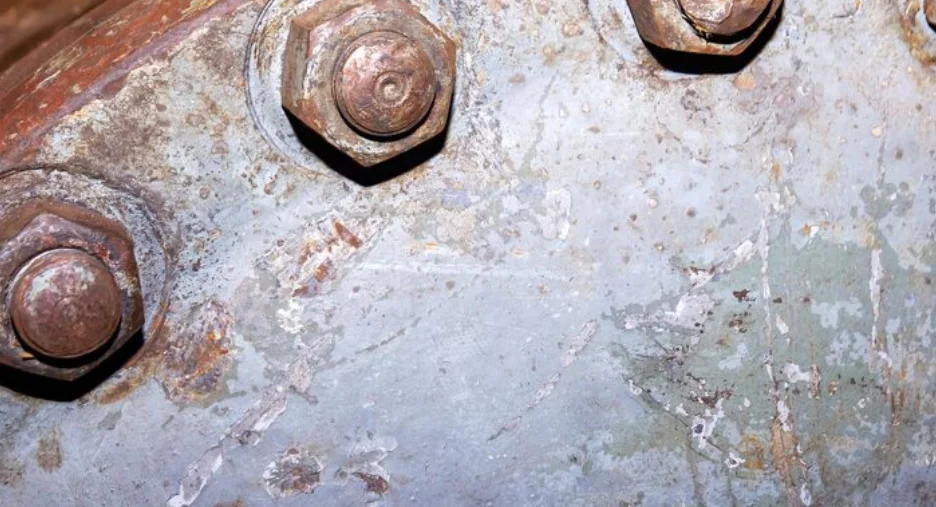
How the surface feels changes how easy it is for bad stuff to stick or get in. Smooth, shiny surfaces cut down on places where corrosion starts. Rough ones hold onto salts or water. Bits of iron from tools can mess up the protective layer. This causes rust marks even on top stainless steels. Treatments with nitric or citric acid clean these away. They rebuild the chromium-rich oxide coat after making the parts. You must rinse well after to stop acid bits from leaving stains later. In workshops, skipping this rinse often leads to surprises down the line.
How Does Environmental Chemistry Affect Corrosion Resistance?
The top alloy can still break down in a very tough setting. The makeup of the air or liquid around it plays a big role. Things like how much chloride is there, the heat level, the pH, and dirty stuff all change how steady the protective film stays.
Chloride Concentration and Temperature Effects
Chloride bits harm stainless steels the most. They slip through weak spots in the oxide coat. This starts local damage like pits or corrosion in cracks. Hotter spots make it worse. They speed up the reactions that tear down the films. For instance, seawater at 60 °C acts much meaner than at normal room heat. Heat plus salt sets the long-term strength for things like heat exchangers or machines that clean salt water. Think of a boat engine in summer—things go bad faster.
Acidity, Alkalinity, and Redox Conditions
Sour liquids melt the oxide layers quicker than plain ones. This cuts the steel’s chance to stay protected. Basic settings usually help the film hold. But they might push corrosion to spotty types based on electric differences on the surface. Places with low oxygen slow down fixing the film after harm. Oxygen helps rebuild the chromium oxide. Strong oxygen keeps the passive state. But it can change how thick or what the film is made of. In some factory tests, low-oxygen tanks showed quicker wear than open-air ones.
Presence of Pollutants and Contaminants
Factory dirt like sulfides or ammonia can shift how corrosion happens. They make tricky ions that shake up the oxides. Carbon dioxide in water drops the pH a bit. This boosts even wear on simpler steel types. In sea air near factories, flying chlorides mix with sulfur bits. That ramps up the harm a lot. Small amounts of copper or lead can start electric links with other metals when you bolt parts together. I’ve seen this in old harbor gear where mixed metals sped up the rust.
Why Is the Passive Film Critical to Corrosion Resistance?
The passive film makes stainless steel stay clean. Without it, even steels with lots of chromium would rust fast like regular iron.
Formation and Self-Healing Mechanisms of Passive Films
Chromium oxide grows right away when stainless steel touches air or water with oxygen. This super-thin film blocks more metal from breaking down. If you scratch it a little, it fixes itself fast as long as oxygen is there. This quick heal is key for daily use, from sinks in kitchens to big reactors with chemicals. In everyday tools, this means less worry about small bumps.
Chemical Composition of the Passive Layer
How well this layer works ties to the mix of chromium and iron oxides. More chromium makes steadier films with less flow for ions. Adds like molybdenum change the electric side in the oxide. This slows down chloride movement through weak spots. Nitrogen tightens bonds at grain lines. It also cuts paths for bad stuff to spread. Tests show films with extra molybdenum hold up 30% better in salt tests.
Degradation Processes Under Aggressive Conditions
In rough spots with chlorides or acids, the film breaks at weak points like dirt specks or cuts. Once open, pits grow quick from chain reactions in tight areas. Acid builds up there. Rub from moving liquids can strip the oxides over and over. High heat changes what the film is made of. This cuts its strength in heat cycles. For example, exhaust pipes in cars see this wear after thousands of miles.
How Do Mechanical Stresses Influence Corrosion Behavior?
Pulls and pushes from forces often speed up corrosion. They twist the inner build or open paths where liquids gather.
Stress Corrosion Cracking Mechanisms in Stainless Steels
Pulls that last a long time help cracks grow along grain lines in bad settings. This is stress corrosion cracking (SCC). Austenitic types like 304L catch this easy from chlorides under steady loads at temps around 50–100 °C. Stress left from bending cold or welding ups the risk. You fix it with annealing to ease the stress. In pipelines under pressure, this cracking has caused leaks if not checked.
Role of Cold Work and Strain Hardening on Corrosion Resistance
Bending the steel when cold shifts grain shapes. It adds martensite from strain that acts less strong in electric tests than the austenite around it. These spots turn into weak points where local harm starts in chloride mixes. Annealing in a controlled way brings back bendiness. It turns martensite to stable austenite. This helps the protective layer come back in stressed areas. Workers in shops know to anneal after heavy bending to avoid early rust.
Interaction Between Fatigue Loading and Corrosive Media
In setups with back-and-forth loads, like shafts that turn in salt water, the surface films break at high stress times. This lets bad liquids touch new metal each go. The mix of tiring and corrosion cuts life short compared to dry tests. To fight it, cut sharp edges or add surface presses. In boat propellers, this combo wears them out in just a season if not designed right.
What Role Does Material Selection Play in Enhancing Resistance?
Picking the best type is your top way to stop early breakdowns. Not every stainless steel does the same in all spots.
Comparison Among Austenitic, Ferritic, Duplex, and Martensitic Grades
Austenitic steels give good all-around corrosion fight. But they weaken in strength at high heats. Ferritic ones dodge chloride stress cracks better. Still, they lose some bend strength. Duplex blends the good from both. It shines in pit fight for sea rigs. Martensitic focuses on hard surfaces over chemical hold. This fits tools that need wear fight more than sea dips. For a quick pick, duplex often wins in mixed tough jobs.
Influence of Alloying Additions on Specialized Performance Requirements
Molybdenum lifts local corrosion fight a lot, mainly in salt water systems. Nitrogen ups the strength you can pull before it bends. It also steadies the protective films. Copper cuts even wear speeds in acid lines like those for sour waste in plants. In acid handling, adding copper has saved costs by lasting longer.
Considerations for Cost, Fabrication, and Service Life Optimization
The price of the material should match how tough the setting is. Picking too strong raises costs with no extra gain in easy spots. For welding, use filler that matches to skip electric mismatches at joins. Look at the full life to make sure the choice keeps the build solid without wasting money over time. In big projects, balancing this saves thousands.
How Can Surface Treatments Improve Corrosion Resistance?
Changing the surface boosts how long it lasts. It makes the passive state better or adds walls against bad stuff.
Passivation Processes Using Chemical Oxidizers
Passivation with acids clears free iron from cutting or shaping. This iron rusts easy in wet air. Nitric acid is the old way. Citric acid is safer now. Both make surfaces rich in chromium for clean jobs after good rinse to clear leftover acids. In food plants, citric works well without harsh smells.
Advanced Coating Technologies for Stainless Steel Protection
PVD puts on thin hard coats like titanium nitride. This adds toughness and steady chemicals. Electric coats block ion flow through tiny holes. Mix of plant and rock coats give bend and light hold for outside walls that face sun all year. These coats have helped building parts last decades in rainy spots.
Role of Electropolishing in Enhancing Surface Integrity
Electropolishing melts tiny rough bits. It leaves very smooth, mirror-like surfaces that don’t catch dirt. This is key for drug-making gear where clean means better products. It also aids sea tools by cutting crack starts for pits. In labs, polished parts show 50% less buildup after months.
How Are Testing Methods Used to Evaluate Corrosion Resistance?
Tests check if the planned strength holds up in real life before using big parts.
Electrochemical Techniques for Measuring Passivity Stability
Polarization curves show break points for how tough it is under lab control. Impedance tests measure how well the film blocks charges. Voltammetry watches how fast it heals after planned harm like cuts in use. These quick tests save time before full runs.
Accelerated Laboratory Tests Simulating Harsh Environments
Salt spray boxes hit samples with mist like beach air. They check when rust shows. Crevice setups copy tight joins with gaskets to see trapped liquid effects. Long soaks measure even wear rates. This gives side-by-side looks at steel types before real tests. In one lab, 316 beat 304 by weeks in spray.
Field Exposure Studies Under Real Service Conditions
Outside racks by the sea check lab ideas over months or years. They catch wet-dry changes and sea growth. Plant watches link real wear to daily shifts. This helps plan fixes based on real numbers, not just set times. Over years, these studies have improved designs for oil rigs.
FAQ
Q1: What makes stainless steel resistant to rust?
A: Its high chromium content forms a thin chromium oxide film that prevents oxygen from reaching underlying metal surfaces.
Q2: Why does stainless steel sometimes corrode near welds?
A: Welding can cause chromium carbide precipitation along grain boundaries leading to sensitization if cooling rates aren’t controlled properly.
Q3: Which stainless grade performs best in seawater?
A: Duplex grades like 2205 typically outperform standard austenitics due to higher pitting resistance equivalent numbers (PREN).
Q4: Can mechanical polishing replace chemical passivation?
A: No—it improves smoothness but doesn’t remove embedded contaminants; chemical passivation remains necessary afterward for full protection.
Q5: How do temperature fluctuations affect passive films?
A: Repeated heating alters oxide composition reducing its stability over time especially above 300 °C where diffusion processes accelerate significantly.


