
What Makes Electronic Coat a Strategic Alternative vs Powder Coating for Experts
What Defines Electronic Coat as a Strategic Surface Treatment Option?
Electronic coat, often known as E-coat, stands out as a smart finishing choice for various industries. These sectors want strong protection from rust and even looks across parts. It proves especially useful in making electronics. There, tricky shapes and delicate materials need steady, dependable covering.
Advanced Electrochemical Deposition Process
E-coat works via a basic electrochemical setup. Parts go into a bath filled with charged paint bits. Voltage pushes these bits to stick evenly on all metal surfaces. You can tweak the voltage to manage how thick the coat gets and how well it holds on. This lets you get a steady layer even in tight spots or hidden areas. Spray methods often miss those places. In the end, you see a sleek, flawless surface that grips every bend firmly.
Material Compatibility and Substrate Adaptability
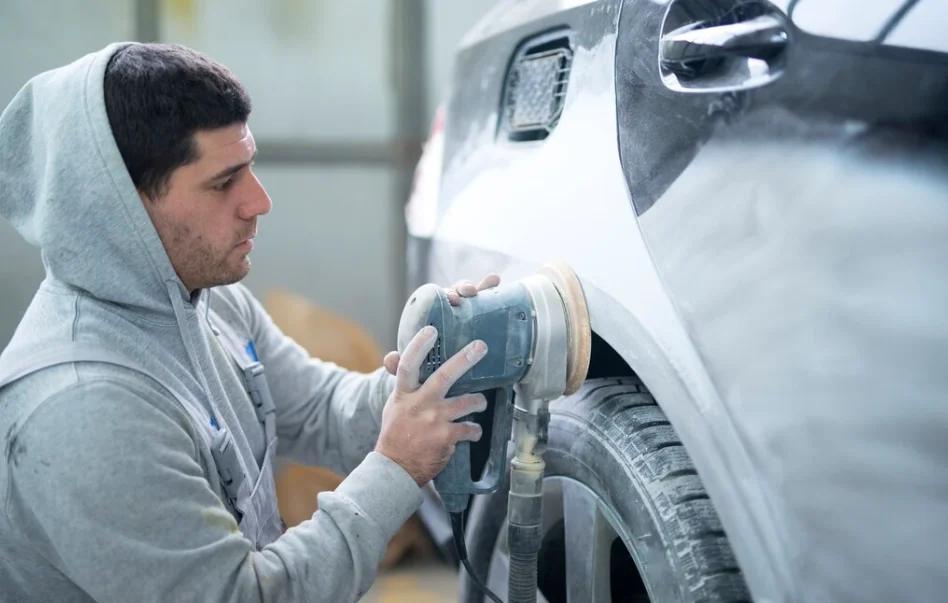
A big plus for electronic coat is how it pairs with metals, metal mixes, and conductive blends. Steps like washing and adding phosphate help it stick better. They also ramp up resistance to rust. The method fits nicely into mixed setups. Here, E-coat acts as a base under powder or liquid top layers. This flexibility means makers can adjust how it performs for different settings. They do this without overhauling the whole setup. For instance, in a busy factory, this saves time and hassle.
Performance Metrics in Industrial Applications
Tests under heat changes, sun rays, and damp air show E-coat holds up well. Its toughness against wear and chemical wear beats many old-school finishes. In tough spots like seaside areas or very wet zones, the coat stays solid over years. This leads to products that last longer. It cuts down on fix-up jobs. Think of outdoor gear in salty air—E-coat keeps things running without quick breakdowns.
How Does Electronic Coat Differ from Powder Coating in Process Efficiency?
E-coat and powder coating both give tough finishes. Yet their ways of putting on the coat and using power vary a lot. Knowing these differences helps pick the best one for your making plans.
Coating Application and Energy Utilization
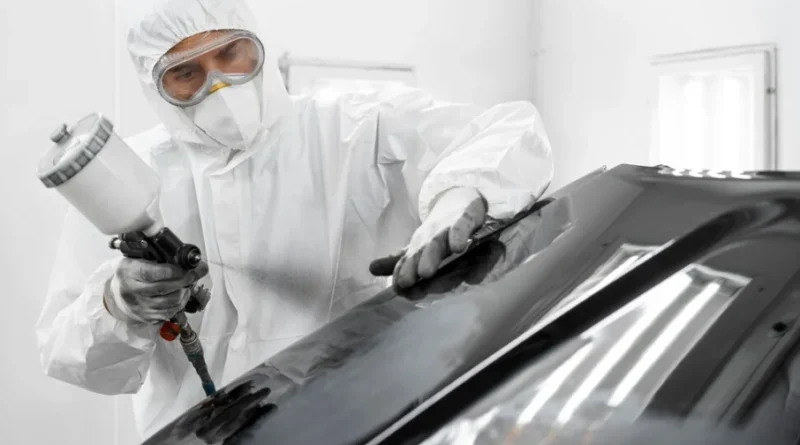
E-coat uses a dip method powered by electric flow. Powder coating sprays dry powder with charged guns onto parts that are grounded. For hardening, E-coat needs less heat than powder. This cuts power use in ovens. Plus, E-coat wastes little material. Leftover paint stays in the bath for later use. Powder often loses extra spray that doesn’t stick.
Production Throughput and Automation Potential
In auto lines, E-coat setups often run faster. The dip covers every side at once. No need for workers to step in. Belts move parts through tanks for steady work. Powder lines can keep up. But they might need hand fixes on odd shapes. E-coat gear needs less upkeep. Closed filters keep the bath steady longer. In a real shop, this means fewer stops and more output, say 20% more parts per hour.
Environmental Impact and Regulatory Compliance
E-coat uses water base. It makes almost no harmful vapors. This matches strict rules like REACH and RoHS. Powder also keeps vapors low. But it can create more trash during color switches or clean-ups. E-coat baths recycle easily. This boosts its green side in ISO 14001 plans. From what I’ve seen in plants, this helps meet eco goals without big extra costs.
Why Is Electronic Coat Gaining Preference for Electronic Enclosures?
In building electronics, guarding against rust and power faults matters a ton. Electronic coat offers physical cover and electric blocking. These traits make it great for boxes that hold key circuits.
Corrosion Protection in Sensitive Assemblies
The even layer from E-coat blocks water and rust fully. Sharp corners, weld lines, or screw spots get total cover. This happens thanks to the electric pull. Such guard work stretches the life of plugs and bolts. They face shifting dampness or dew in boxes. For example, in a humid server room, this prevents early failures.
Electrical Insulation Properties for Safety Assurance
Once hardened, E-coat layers show strong electric block. They stop current from jumping between metal parts. In tight boxes with little space, this cuts short risks. It works with ground spots built into the design.
Aesthetic Uniformity and Functional Finish Quality
More than guard, electronic coat gives steady looks. You control shine and feel for seen box sides. Makers keep brand style without losing safety or strength. This mix grows popular in home gadgets. It’s like how phone cases need to look good but hold up to drops.
What Are the Cost Implications Between Electronic Coat and Powder Coating?
Money factors often decide the best coat tech for budgets. Looking at start costs, running fees, and long gains shows how each stacks up over time.
Initial Equipment Investment and Infrastructure Setup
Building an E-coat line needs dip tanks, pumps, and power boxes. It takes less room than big spray areas for powder. If your plant has belt lines already, adding tanks is simple. It’s easier than reshaping spray spots. Small shops find this setup quick, often under six months.
Operational Costs Over Product Lifecycle
In hardening, E-coat uses less power. It bakes at about 160°C. Powder needs 200°C or more. Bath care means filter checks now and then. Not like powder’s often material swaps. Worker costs fall too. Auto handles load and unload well. Over a year, this can save thousands in bills.
Return on Investment Through Performance Longevity
E-coat boosts rust fight so well. Parts need less touch-up or swaps over time. Less fix work means real savings in total own cost. It keeps quality steady run after run. In heavy use, like factory tools, this pays back fast.
How Do Design Requirements Influence Coating Selection?
Part shapes, base material care, and wanted results often pick if E-coat or powder fits best for a job.
Geometric Complexity of Components
For items with inside holes or small dips—like coolers or plug boxes—E-coat’s dip way reaches all. Sprayed powder might skip spots. Steady thick control avoids gaps or weak areas. Even on stacked parts, it works smooth.
Thermal Sensitivity of Substrates
Some electronic bases can’t take high heat. They might bend or lose work. New low-heat E-coat mixes fix this. They keep link strength like normal ones on metal shells. This opens doors for fragile tech.
Desired Functional Attributes Beyond Protection
For extras like signal block or chem hold, E-coat can base under special tops. This bend lets builders make multi-task coats. They fit guard and work needs in small setups. It’s handy for custom jobs.
What Technological Innovations Are Shaping the Future of Electronic Coat?
New ideas keep pushing E-coat past basic rust stop. This fits as fields head to smarter making by 2026. Sometimes, these changes feel like a natural step forward, not some big leap.
Nanoadditive Integration for Enhanced Performance
Teams add tiny bits to E-coat mixes. This ups hardness or tunes conduct at small levels. Some test coats fix small cuts on their own. They use built-in fix agents. Experts guess wide use in two years. In labs, we’ve seen scratches heal in hours under light.
Smart Process Monitoring Systems
Brain-like sensors watch bath details live. Things like acid level and bit spread. They spot issues early in coat steps. This cuts fix work. It keeps layer quality even in long runs. It’s a key move to guess-upkeep in smart factory ways.
Hybrid Coating Systems Combining E-Coat with Powder Layers
Step-by-step layers start with E-coat base then powder top gain fans. Car electronic makers like this for double guard. It fights rust and sun wear. No need for extra heat rounds. Trials show better hold in sun tests.
How Should Experts Build a Decision Matrix Between Both Technologies?
Picking E-coat over powder needs a clear check list. Base it on real tech points that match work goals. Like green aims or speed hopes.
Key Evaluation Parameters for Technical Comparison
Pros check layer evenness, harden speed, stick power from cut tests. Also shine hold after fast weather runs. They do this under same lab setups.
Risk Assessment Based on Application Environment
Factors like damp shifts, salt spray over 1000 hours per ASTM B117, or sun strength pick the tougher coat. It depends on stress in spots from sea tech to factory feelers. Coastal gear might lean E-coat for that extra edge.
Strategic Alignment With Sustainability Goals
As world rules push carbon cuts by 2026, leaders eye green stats. Like vapor drop percents and reuse rates. They tie this to firm green plans in coat picks.
FAQ
Q1: What makes electronic coat different from traditional painting?
A: It uses an electrically charged bath instead of manual spraying to achieve complete coverage even on hidden surfaces.
Q2: Can electronic coat be applied over non-metallic materials?
A: Only conductive substrates can be coated directly; however, conductive primers enable partial compatibility with composites.
Q3: How long does an electronic-coated enclosure typically last?
A: With proper pretreatment and curing control, service life can exceed ten years under normal indoor conditions.
Q4: Is E-coat environmentally friendly compared to other coatings?
A: Yes—it’s water-based with negligible VOC emissions and supports closed-loop recycling systems within production lines.
Q5: Which industries benefit most from adopting electronic coat?
A: Automotive electronics, telecommunications hardware manufacturers, and industrial control device producers gain significant advantages due to its durability and precision coverage capabilities.


