

Are Torque Wrench Myths Misleading Experts or Just Misunderstood
Are Torque Wrench Calibration Myths Based on Facts?
Tools like torque wrenches play a key role in fields where exact measurements keep things safe and working well. Still, wrong ideas about calibration hang around. They can trick even pros who use them every day. Calibration is more than a quick check. It forms the base for solid torque readings. If myths take over real steps, tools might break down. And workers could face dangers too.
Importance of Accurate Calibration
Right calibration makes sure a torque wrench puts the right force on bolts and nuts. If the force is off, it can strain parts or make joints give out. Think about tight spots like building planes or making car parts. A small mistake here costs a lot. Checking often keeps the tool spot on. It stops early damage to pieces inside. Plus, it helps follow rules for safety and papers needed in the field.
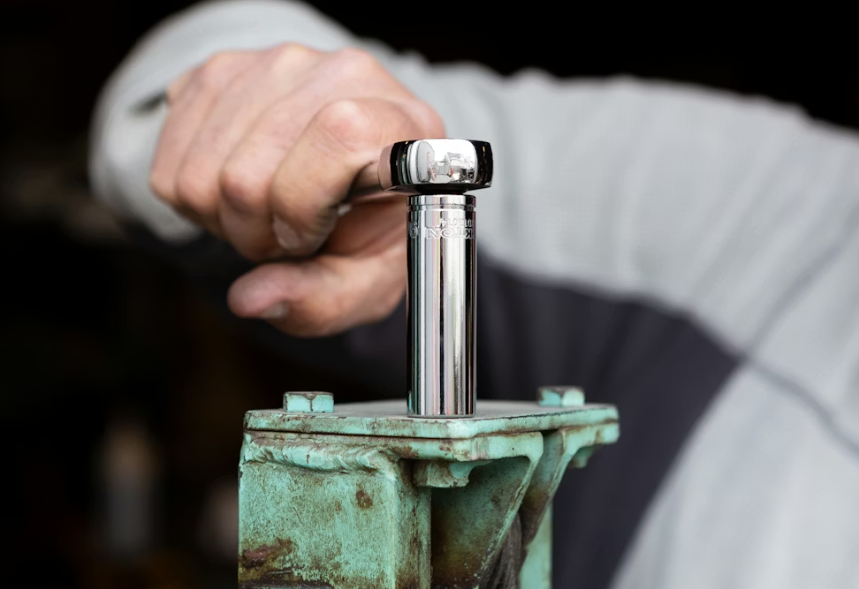
Common Misconceptions About Calibration
One big wrong idea is that you don’t need to check often if the wrench seems okay by feel. But that skips how the inside springs shift after lots of pulls or from weather changes. Another mix-up is thinking fresh torque wrenches are spot on right from the store. Truth is, bumps during travel and factory limits mean you should test them first. Folks often get confused on how often to recalibrate. Makers suggest every 5,000 turns or once a year, whichever hits first. But in tough spots with heavy work, you might need to do it sooner. I recall a shop mechanic once skipping this. His wrench was off by 10%, and it led to a loose bolt on a truck wheel. Scary stuff.
Effects of Misleading Calibration Myths
When these wrong beliefs spread, problems follow fast. Readings get wrong, and people use tools the wrong way. Too much or too little torque messes up bolt tightness. That can break machines or make structures weak. Wrenches that aren’t checked wear out quicker too. Their inside parts take uneven hits. In the end, tools last less time. Fix-up bills go up. And work slows down a bit.
Is Digital Better Than Mechanical Torque Wrenches?
The talk about digital versus mechanical torque wrenches goes on in garages and labs alike. Both kinds have good points based on the job’s needs, how folks work, and what you can spend. Picking the best one comes down to what your tasks really ask for. Not just fancy names from companies.
Advantages of Digital Torque Wrenches
Digital types give top-notch exactness with clear screens that cut down on mistakes from eyes alone. Lots of them save info for later checks. That’s handy in places like car building lines or power plants where you need proof of work. Some fancy ones link up to computer systems. They watch things live and log notes on their own. This setup fits new ways of keeping tools in shape. Here, steady records matter as much as getting the torque right. For example, in a busy auto plant, one team used digital logs to spot a pattern in torque slips. It saved them hours of guesswork.
Benefits of Mechanical Torque Wrenches
Old-school mechanical torque wrenches stay in demand for their easy design and toughness in rough spots. Think outdoor fixes or big building jobs. They skip batteries and tech bits, so they work fine without plugs nearby. Upkeep runs cheap since fewer parts can go bad. For everyday jobs that need fair accuracy, a tuned-up mechanical one does the trick. And it costs way less than digital picks up front.
Factors Influencing Choice Between Digital and Mechanical
Choosing digital or mechanical hinges on your setup and skill level. In clean labs that demand tracked files, digital shines bright. Yet for hands-on workers who like the feel or deal with changing weather outside, mechanical feels more natural. Money counts too. Digital costs more at start, but they cut time with auto notes. That makes them smart buys for places with tons of work over years. One tip from field techs: if you’re in oil rigs with dust everywhere, stick to mechanical to avoid screen smudges.
Do All Torque Wrenches Require Regular Maintenance?
All torque wrenches, whether digital or mechanical, call for steady care to stay dependable. Skip that, and accuracy fades slow. Tools might quit right when you need them most in key jobs.
Maintenance Needs for Different Types of Torque Wrenches
For mechanical ones, look over ratchets for wear, handles for cracks, and springs for give. A bit of oil keeps parts moving smooth. Digital needs battery swaps and updates if it has them. Weak power can throw off numbers without clear signs in old models. No matter the style, keep it clean. Dirt in the head can change torque just a touch, but enough to matter. In a real shop scenario, a dirty wrench once caused a 5% error in engine bolts. Simple wipe-downs fixed it quick.
Consequences of Neglecting Maintenance
Forgetting upkeep builds hidden harm. You won’t see it till the tool acts up bad. A wrench unchecked for too long might read off by a few percent. That’s no good in fine work like plane parts or health gear making. If it fails mid-job, you face redo time or big breaks in the system.
Best Practices for Torque Wrench Maintenance
Plan checks to match what the maker says. Tweak it for how hard you use it. Log dates for calibrations, fixes, and battery changes. These notes spot troubles early. Train on right ways to hold them too. Don’t drop or pry with them. Shocks bend insides even if outside looks fine. From my chats with mechanics, logging helps catch issues like a loose spring before it snaps.
Are High-Cost Torque Wrenches Always Superior?
Cost sways views more than real work in picking tools. Top-price ones pack cool tech, sure. But high tags don’t mean better unless they fit what you do.
Features That Justify Higher Costs
Pricey torque wrenches often have wireless links for sending data, shakes to warn near goals, and tough stuff against rust in hot or cold spots. They might include long promises on fixes and checks. That’s gold for fields like plane building that need strict papers.
Evaluating Cost vs Performance in Torque Wrenches
Think hard before big spends. Do the extra bits help your daily flow? Say you skip data saves or phone links most days. Then middle-cost ones give the same straight shots for less cash. Trust in brands points to solid build. But don’t let it beat real tests from outside groups. They check tools in set ups and share fair scores. In one review I saw, a mid-range beat a fancy one in wet tests by holding accuracy better.
Alternatives to High-Cost Options
Solid middle picks from known makers mix low price with steady hits for most factory uses. Checked used ones from approved shops offer another way. They work almost like new without full cost hits.
Is Over-torquing a Common Misunderstanding?
Over-torquing tops the list of mix-ups for daily torque wrench users. It comes from wrong steps and missing lessons, not just tool problems.
Causes of Over-torquing Issues
Over-torquing happens most when folks read marks wrong or push past limits to avoid loose fits down the road. Wrong takes on maker rules add mess. Different bolt stuff has set points where they bend for good. Bad calibration is key too. The wrench’s real force drifts from what it shows after time.
Impacts of Over-torquing on Equipment
Too much force pushes bolts past bend-back limits. It makes tiny cracks that grow with shakes till they snap way later. Setups needing even pulls get shaky if one bolt takes extra weight. That twists shapes or lets leaks through. From pipes to motors, it hits hard.
Strategies to Avoid Over-torquing
Lessons work best to stop it. Workers learn right order for turns and feel when push-back grows near the mark. Don’t force more just to be safe. Stick to maker numbers to cut guesses. New digital ones with set stops buzz before going over. That’s a good guard for repeat work. In a factory I heard about, training cut over-torquing by 30% in six months. Simple but effective.
FAQ
Q1: How often should a torque wrench be calibrated?
A: Most experts recommend calibrating every 5,000 uses or annually depending on workload intensity; high-frequency applications may require shorter intervals.
Q2: Can I use my new torque wrench immediately without checking calibration?
A: It’s advisable to verify calibration before first use since shipping vibrations can affect internal adjustment settings slightly even in new units.
Q3: What happens if I don’t maintain my torque wrench regularly?
A: Neglect leads to gradual loss of accuracy resulting in unreliable readings that compromise joint integrity during assembly operations.
Q4: Are expensive digital models worth buying for small workshops?
A: Only if you need advanced data logging features; otherwise durable mid-range mechanical types usually meet everyday requirements effectively.
Q5: How can I prevent over-torquing bolts during installation?
A: Follow specified torque limits precisely using properly calibrated tools and stop once resistance increases sharply instead of applying extra force unnecessarily.


