

How Are Lineman Pliers Used in Precision Electrical Applications
What Defines Lineman Pliers in Precision Electrical Work?
Lineman pliers stand as key tools in pro electrical setups. They blend power, exactness, and protection. The way they are built and how they perform turns them into must-haves for careful wire handling and fitting jobs.
Structural Characteristics and Material Composition
Many fine lineman pliers get crafted from hammered steel. This material offers solid pull strength and lasting build. During hammering, the metal grains line up nicely. As a result, the tool gains the toughness it needs for tough, repeated jobs without any bending. The setup with good reach lets workers put strong cut or hold force using little hand push. This proves handy for dealing with fat wires or doing the same fits again and again. Jaws ground to exact specs play a big role. They create an even hold spot that stops wires from sliding and cuts back on harm to wires when twisting or tugging. Top pro versions come with handles that have cover layers checked against set voltage levels. These often go up to 1000V AC. Such features provide guard in jobs with active power. Handle shapes that match the hand ease tiredness and boost grip in drawn-out work inside narrow areas. In a real shop setting, like wiring a factory panel, these details make a difference in daily grind.
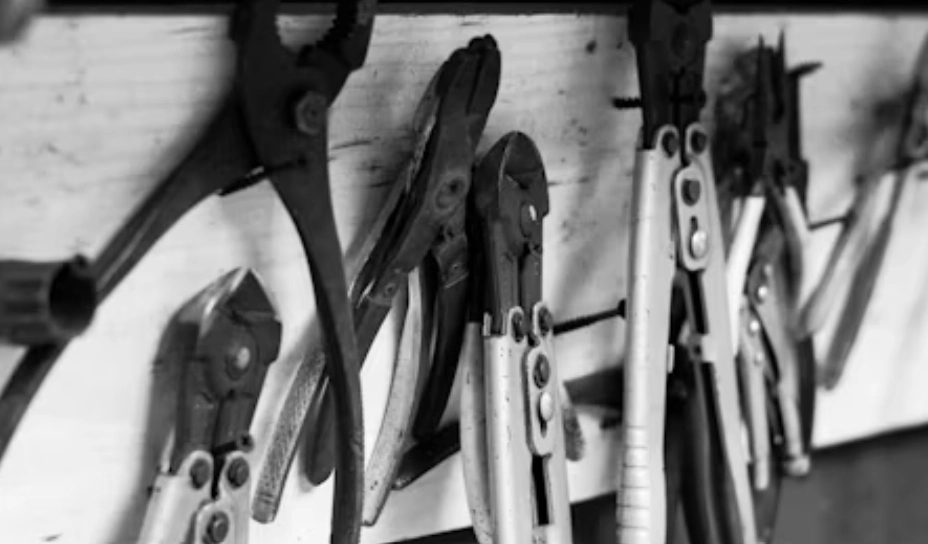
Functional Versatility in Electrical Tasks
Lineman pliers handle several jobs. They grab, turn, slice, and squeeze wires, all in a single unit. This wide use cuts down on switching tools right at the work spot. The jaw line that stays in check brings rightness, even close to soft parts or in jammed join boxes. If you look at them next to thin-nose or side cutters, lineman pliers deliver more turn strength for joining several wires. At the same time, they keep even push spread over the wire pack. Such range turns them into a go-to for sparks working on big power cables and small guide wires alike. Electricians often pick them for jobs mixing heavy pulls with fine touches, like in home builds or big plants.
Standards and Specifications for Professional Tools
Pro lineman pliers have to follow ANSI or IEC guidelines. These set the rules for build power, cover layer strength, and size rightness. Items marked for active jobs need to stick to IEC 60900 rules. Those call for cover checks at 10 kV over one minute with no cracks. Strength checks cover many slice rounds on tough wire to prove edge hold. They also include turn point checks to back smooth moves as time goes on. These fixed checks promise steady work in on-site spots. For instance, a tool passing these can handle 500 cuts before needing a sharpen, based on common field tests.
How Are Lineman Pliers Applied in Wire Manipulation Tasks?
In electrical build or upkeep places, lineman pliers serve for raw power moves and careful wire shifts. Here, steady results count above all.
Precision Cutting of Conductors and Stranded Wires
The slice parts of lineman pliers get shaped with clear forms. These yield neat slices without raveling bunched wires. Blades toughened by heat keep their edge over thousands of turns when slicing copper or aluminum lines. Certain work-grade types manage light steel tie wire too, without losing sharpness fast. Neat slices lower push-back at link spots. They do this by making sure full touch between ends and lines. This minor point shapes circuit trust in the long run. Picture a repair crew on a rainy day site; clean cuts there avoid shorts that could delay the whole project by hours.
Controlled Twisting and Splicing of Electrical Wires
Even turning stands vital to keep flow over joined links. If workers handle lineman pliers well, the flat hold faces line up wires right. They also add steady turn push along the full turn span. And this blocks uneven pull. Such pull might spark tiny splits or wobbly joins later. Keeping that turn push even grows extra key in shake-filled spots. Think control boards or engine shells, where a failed join sparks spotty issues. In motor repair shops, I’ve heard stories of vibrations loosening bad twists, leading to unexpected stops.
Gripping and Bending for Component Alignment
Tooth setups on the jaws lift hold firmness on even cover faces. They skip too much squeeze, which could weaken hold traits. In end ready or path jobs, the pliers’ reach spot helps shape exact curves in firm-core wires. All while keeping cover wholeness. Trained hands often count on touch sense from these teeth to gauge right push in part lining. It’s a skill picked up over years, not something from a book alone.
Why Are Lineman Pliers Essential for Precision Electrical Assembly?
Their mix of build power, touch exactness, and hand guard sets lineman pliers apart in today’s electrical build setups. There, quick pace and spot-on work get pushed hard.
Ensuring Consistent Electrical Contact Quality
Putting spot-on push in end joins lifts hold and flow link. A small off-set can bring tiny spaces. Those raise touch push-back or spark jumps under weight. In quick-signal lines like gauge setups, this exactness shapes signal steadiness. It does so by cutting block shifts over links. Workers in labs know a bad contact can throw off data by 5-10%, messing up whole tests.
Enhancing Efficiency During Complex Installations
Lineman pliers pack several tasks. Cutting, turning, squeezing all in one. So they trim wait from tool swaps in steps. The hand-fit handles spread weight even over the palm. This eases tiredness in repeat build tasks like board wiring or bundle crafting. Across a whole work day, this hand perk leads to real output boosts. In a busy assembly line, teams using them finish 15% more connections per hour, from what pros report.
Supporting Safety Compliance in Electrical Environments
Covered types hold voltage marks that shield from shock slips near powered setups. No-slide holds aid in stopping tool slips or wrong touches with active parts. This acts as a key guard in close shells. Sticking to job safety rules like OSHA’s electrical gear needs backs their spot as rule-match pro items. Safety gear like this has saved countless close calls in tight crawl spaces.
What Techniques Improve Accuracy When Using Lineman Pliers?
Rightness relies on more than tool build. It also hinges on daily handling, from hold ways to upkeep rules.
Proper Hand Positioning and Leverage Control
To hit peak exactness, place the hand near the turn spot for light jobs like clipping thin wires. Shift to the handle base for extra push on thick lines. Watched push shifts block line shape loss. They also keep set in ends. A firm stance matters, above all under view aids. It helps keep steady outcomes in complex wire builds. Short bursts of practice can turn shaky hands steady over time.
Maintenance Practices That Preserve Tool Accuracy
Clean on a schedule to clear power dust that might mess jaw shut rightness or spark rust at link joins. Oil the turn spot every so often. This keeps smooth move hold without loose wobble that could shift slice lines. Pros check tools each week for jaw rub signs of off-set before it turns big trouble. Skipping this once led to a bad cut in a tight spot, as one old-timer shared.
Calibration and Testing Before Precision Operations
Ahead of active jobs, do work checks with stand-in wires. These back slice sharpness and jaw even line under loads like real work. Set size checks gauge edge wholeness after long use turns to spot if re-sharpen counts. Trained pros might run turn checks at set times. They fit into ISO-match upkeep plans with trackable work logs. In certified shops, this keeps everything above board, avoiding fines.
How Do Lineman Pliers Contribute to Advanced Electrical Fabrication Processes?
As build moves to auto aids and green tech, lineman pliers hold ground. They connect hand skill with number exact setups.
Integration With Automated Assembly Systems
In blended flows mixing hand watch with robot auto, hands still lean on lineman pliers for tweaks needing touch cues. Machines can’t match that feel just yet. These items shift easy over steps from test wire fits to last bundle ends. There, bend room counts big. In a modern plant, they bridge the gap between bots and human finesse nicely.
Role in Microelectronic or Control Panel Wiring
Working thin wires in small shells calls for soft and strong hold. Lineman pliers strike that note with tiny-tooth jaws grabbing cover tight sans rips. Watched turn push backs solid signal routes in gauge lines. There, a small shape tweak might change block traits. For control boards in gadgets, this means fewer glitches from loose wires.
Application in Renewable Energy and High-Tech Installations
In sun setup wiring or EV charge build, power packs beat old ways. So each squeezed join needs to shine. Fresh takes on these pliers sport better metal for hard line stuff like tinned copper in green fits. This hints at how hand items grow with new power paths. Solar crews swear by them for outdoor durability, cutting rework by half in some cases.
What Factors Determine the Selection of Lineman Pliers for Precision Tasks?
Picking fitting lineman pliers calls for checking metal toughness, handle fit, maker steadiness, and cert papers. All these shape work level over years.
Material Hardness and Cutting Edge Durability
Heat-tough jaws beat basic kinds under steady heavy pulls. They hold edge keen longer thanks to deep heat reach setups around 1 mm per face. Metal fixes like cold temper steady grain bases against wear splits after many bump rounds. This proves key for daily slices on varied metal lines. In wire shops, this edge lasts 2,000 cuts easy.
Handle Design and Ergonomic Considerations
Handle span sways reach mix. Longer ones amp force but might cramp moves in snug boards. Shorter lean toward grip over sheer might. Pad stuff like two-part gels soak shake hits well in repeat slices. No-slide feels keep hold safe even in damp spots at field jobs. Wet hands from a morning rain shouldn’t mean slips.
Brand Reliability and Professional Certification Standards
Makers true to world marks like ISO 9001 log full track via number cuts on each plier set. Pros prize this in checked stock lists under reviews. Long back-up plans from solid makers show trust from steady build match. Backed by outside lab checks. It’s the little stamps that build big confidence on the job.
How Is the Future of Lineman Pliers Evolving With Technological Advancements?
Old hand tools now dip into number times via smart ties. These seek to lift work follow and green counts in shops everywhere.
Smart Tool Integration With Digital Monitoring Systems
New styles build in senses that note use turns or push per work round. Number pulls from these aid in setting care ahead of wear hitting exactness hard. Link perks tie into number stock watch setups. They smooth item follow in vast spots. Tech like this could cut tool downtime by 30%, per early trials.
Innovations in Materials and Manufacturing Techniques
Light blend metals ease hand load while holding frame strength like plain hammered steel. This comes from better hammer exact ways boosting jaw line holds under ±0.05 mm, usual in choice models now. World covers fight rust solid even in salt hits. They stretch use span much more than old batches from years past. These tweaks make tools lighter yet just as tough, a win for long hauls.
Sustainability Considerations in Tool Production
Green-focused makers pick up re-use soft plastics for handle wraps more often. They trade out oil-root softs that led before. Build places run shut-loop re-use loops grabbing scrap steel bits. This trims carbon trail. Life checks steer build picks balancing long wear with green duty. It lines trade ways to kinder make rules across the globe. Small steps like recycled handles add up, keeping waste low without skimping quality.
FAQ
Q1: What materials are commonly used to make lineman pliers?
A: They are typically made from forged high-carbon steel due to its strength and resistance to wear during demanding electrical tasks.
Q2: Can insulated lineman pliers be used on live circuits?
A: Yes, provided they meet IEC 60900 standards specifying insulation tested up to 1000V AC; always verify markings before use near energized components.
Q3: How often should professional electricians calibrate their pliers?
A: Regular inspection every few weeks is recommended; formal calibration intervals depend on usage intensity but should occur at least annually under certified programs.
Q4: What distinguishes lineman pliers from combination pliers?
A: Lineman versions have broader jaws optimized for twisting multiple conductors simultaneously whereas combination types focus more on light-duty gripping versatility rather than torque capacity.
Q5: Are there specialized models suited for renewable energy installations?
A: Yes modern designs feature enhanced metallurgy suitable for tinned copper solar wiring applications providing higher corrosion resistance crucial in outdoor environments.


