
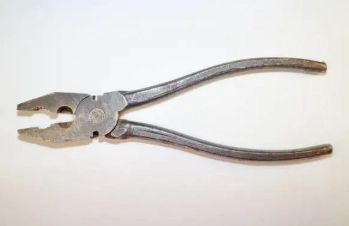
How Hog Ring Pliers Influence Fencing Efficiency and Durability
How Do Hog Ring Pliers Affect Fencing Efficiency?
Picking the best hog ring pliers can really speed up a fencing job. For pros who install fences all day, it’s not just about squeezing rings shut. It’s about getting it right, making the tool last, and feeling okay after hours of the same motion. The way the tool is built, what it’s made of, and how it fits your hand all decide if you can hold fencing wire or mesh tight without losing time or getting tired too soon.
Mechanical Design and Operational Leverage
The way hog ring pliers are put together decides how force spreads out when you close a ring on fencing wires. Good levers cut down the hand push you need for each squeeze. Take compound-action types, for example. They boost your grip strength. This lets you handle thicker wires without much pull. Handles that curve to match your palm help too. They give you solid hold and stop slips. When the jaws line up just right, every ring shuts even. That keeps the fence pulled tight. It also stops weak spots from showing up. In real jobs, like putting up a long chain link fence on a farm, this means fewer fixes later. I’ve seen crews finish quicker because their tools didn’t fight them.
Material Composition and Structural Integrity
What hog ring pliers are made from changes how well they hold up with lots of use. Top tools use high-carbon steel. It doesn’t bend easy from constant work. For outside jobs, coatings like nickel or chrome fight rust. Wet weather can wreck plain metal fast. Stiff jaws matter too. They keep rings in place right, even on pulled-tight wire mesh. These parts keep the tool working steady after thousands of squeezes. Think about a rainy day on a ranch fence line. Good materials mean no breakdowns when you need them most.
Ergonomic Factors and Worker Productivity
Ergonomics goes beyond just feeling nice. It sets how long you can keep going without getting worn out. Padded handles soak up shakes from steady use. Even weight spread cuts wrist ache on long fence stretches. Grips that don’t slide are key on sweaty or dirty sites. Wet hands might cause slips or bad squeezes otherwise. A smart setup like this helps you stick to your speed all day. You don’t lose aim or get hurt. On big projects, say fencing a whole field, this keeps the team moving without breaks for sore hands.
Why Is the Choice of Hog Ring Pliers Critical for Fence Durability?
How well a fence lasts ties right to how tight its parts are joined. The power in each squeezed ring decides if the fence stays firm against wind or animals pushing it. Picking the right hog ring pliers makes sure every link holds even pull across the whole setup.
Impact on Fastening Strength and Stability
Well-squeezed hog rings stop wires from coming loose over time. Things like shakes or weather shifts can’t undo them. Even squeezes at all spots keep the fence’s pull steady the whole way. But tools that don’t match can leave rings half-shut. That makes gaps. They speed up rust and wear where wires touch. In the end, high-pressure areas fail first. Picture a windy coastal fence. Bad joins mean it sags in months, but good ones stand years.
Compatibility with Ring Sizes and Wire Gauges
Various fencing stuff needs rings of different widths and wire thicknesses. Fitting your plier to these details gives exact shuts without bends. Big pliers on tiny rings might not close them full. Small ones could warp thick wires. Models you can tweak work for folks who switch between fence kinds. Like chain link, welded panels, or pens for animals. One adjustable set saved a buddy of mine hours on a mixed farm job last summer.
Influence on Long-Term Maintenance Requirements
A fence joined tight needs less fixing as years go by. Pliers that don’t rust also keep from marking coated wires during setup. Steady work quality cuts weak places that might need pulls or swaps later. This counts big for big lands or farm edges. Fewer trips out to mend means more time for other chores.
How Do Different Types of Hog Ring Pliers Compare in Performance?
Hog ring pliers aren’t all the same. Your job size and fence material make a difference in how manual, air-powered, fixed-jaw, or multi-lever types stack up.
Manual Versus Pneumatic Operation
Hand-held hog ring pliers give you feel for the work. They’re great for small jobs where getting it exact beats going fast. Think fixes or spots by doors and turns. Air-powered ones run on compressed air. They shine on huge setups like outer fences or big animal pens. They cut hand tiredness and boost how many you do quick. In a crew of four, switching to pneumatic doubled their daily output on a factory yard fence.
Fixed Jaw Versus Adjustable Jaw Configurations
Fixed-jaw pliers push steady force for usual jobs. Uniformity is key there, like in chain link with same-thick wires all along. Jaws you can change fit when mesh sizes or stuff mixes on tough sites. Such as bird houses or safe zones. Versatility helps when plans shift mid-job.
Single Action Versus Compound Action Mechanisms
Basic tools pass hand force straight to the jaw. They’re plain and fit light work, like clipping nets. Multi-lever setups use two turn points to grow your push. They handle thick stuff easy without hard pulls. This gap shows in speed and rightness on different ground. For sloped fields, compound ones make the day less of a grind.
What Role Does Tool Maintenance Play in Fencing Efficiency?
Even the best hog ring pliers slow down if you skip care. Steady upkeep keeps them going strong for hundreds of hours. It stops hold-ups when work piles up.
Regular Cleaning and Lubrication Practices
After a job ends, clear junk from the joints. That stops them from getting stiff from dirt or stuck goo from coated wires. A bit of oil keeps parts moving smooth between bounces and turns. Do it often, and the tool lasts way longer. Simple habit, big payoff on dusty ranch sites.
Inspection for Wear and Component Fatigue
Springs weaken with time. Check them to make sure each squeeze hits even on rings. Spot handle breaks early. They hurt comfort and safety when you use them. Swap out beat parts fast. That avoids surprises in the middle of a build. One ignored crack once halted a whole team for a day—lesson learned.
Storage Conditions and Environmental Protection
Keep hog ring pliers in a dry spot. That fights rust from damp air on open sites. Cases guard against bumps when you haul them around jobs. Steady temps hold the setup right for tweakable parts in exact work. Proper storage means they’re ready when you are, no fuss.
How Can Ergonomic Design Improve Installation Efficiency?
Smart shape in tools has changed how fence work flows today. It cuts tiredness for the user. At the same time, it holds steady aim through full days. Not every tool gets this right, but the good ones do.
Influence of Handle Geometry on Grip Comfort
Handles that bend like your hand fit better. They let you move smooth in quick shuts. Soft covers take in shakes from repeat grips. You feel it most when doing hundreds an hour on field fences or dog runs. Comfort adds up over a long shift.
Reduction of Operator Fatigue Through Balanced Weight Distribution
A tool with even weight seems less heavy. Even if it’s tough steel, the pull point lines up with your hold. This drops twist on your wrist in up-high or side ways moves. Like fixing top bars on hills or bumpy land. Balance turns hard spots into routine ones.
Safety Enhancements Through Design Innovation
New shapes often have locks to stop surprise shuts that pinch fingers when you shift. Rough grips hold firm even if gloves get damp from water or sweat. Pull-style opens let you work quick without wobbles. These bits make the job safer, especially in bad weather.
What Are the Key Criteria for Selecting Professional Hog Ring Pliers?
Choosing pro hog ring pliers means looking at how well it’s built, how it fits different tasks, and if it pays off over time against the price.
Evaluation of Build Quality and Manufacturing Standards
Exact cutting makes jaws line up steady. So each tool works the same under push. That’s what pros expect in farm supply or build firms that handle miles of fence each day. Solid make means trust on the line.
Assessment of Functional Features and Adjustability
Spring loads speed repeat jobs. They keep shuts the same each time. Tension tweaks let you switch fast between soft meshes and hard grids. No need to grab another tool in the middle. That saves time on big runs. Little things like this build up.
Consideration of Cost Versus Long-Term Value
High-end ones cost more at first. But they last, so you don’t buy new often. Less fixing means fewer stops on jobs each year. That’s real gain, not just the starting bill. Weigh it all for the full picture.
How Does the Use of Appropriate Hog Ring Pliers Enhance Project Outcomes?
Right-matched hog ring pliers boost setup speed. They also make the whole fence stronger for all kinds of uses. From home walls to work pens. Good picks lead to better ends.
Improved Structural Cohesion Across Fencing Systems
With every join tight from fit tools and rings, push spreads even on fence paths. It holds against wind blasts or animal bumps. The setup stays straight over years. Uniform work keeps it all together.
Optimization of Installation Timeframes
Tools that work well cut job length. They drop re-dos from off shuts or half squeezes. Quick rounds let teams go farther each day. They keep quality up too. For tight schedules, this is gold. One project I recall wrapped two days early thanks to sharp tools.
Contribution to Overall Safety and Compliance Standards
Good setups cut risks like sticking wire tips that hurt animals or folks on checks. Right ways to use tools match safety rules. It builds trust with people who want pro work. Safe fences mean calm minds.
FAQ
Q1: What are hog ring pliers primarily used for?
A: They’re used to clamp metal rings around wire intersections in fences, upholstery work, automotive seat covers, and similar fastening applications where secure joints are needed quickly.
Q2: How often should professional hog ring pliers be serviced?
A: Light cleaning after each use is recommended with full inspection every few months depending on workload intensity to maintain optimal spring tension and jaw alignment.
Q3: Can one set of pliers handle all fence types?
A: Adjustable models cover multiple wire gauges but specialized versions may still be necessary for heavy-duty livestock enclosures versus lightweight garden meshes.
Q4: Why do some installers prefer pneumatic models?
A: Pneumatic versions deliver faster cycle rates with minimal physical strain—ideal for large-scale projects requiring thousands of consistent crimps per shift.
Q5: What’s the main sign it’s time to replace a pair?
A: If jaws no longer align perfectly even after adjustment or if spring recoil weakens noticeably causing uneven closures—it’s time for replacement before performance drops further.


