
Understanding Hydraulic Crimping Tool Design for Precision Engineering
What Defines a Hydraulic Crimping Tool in Precision Engineering
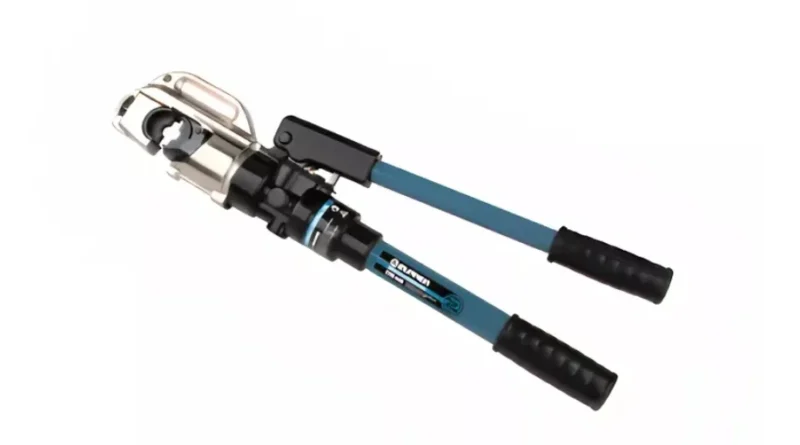
A hydraulic crimping tool stands as a key device in today’s careful manufacturing work. It helps with tasks like wiring in airplanes or putting together strong hydraulic lines. This tool turns hydraulic power into a steady mechanical push. Its main job is straightforward but important: it makes tight, even crimps that fit the strict rules of detailed engineering.
Core Function and Operating Principle
A hydraulic crimping tool uses fluid pressure to squeeze fittings or connectors onto cables, wires, or hoses with even force. The inside parts change hydraulic power into mechanical push. This setup makes sure each crimp happens with care and can be done the same way every time. Since it controls pressure, it cuts down on the differences you see with hand tools. That steady work is why it’s so needed in fields where strong connections really shape how well a system runs. For example, in a busy factory, one small slip could mean big trouble down the line.
Structural Composition and Material Selection
The main body of a hydraulic crimping tool often comes from tough steel or aluminum mixes. These choices keep it strong yet not too heavy. The inside pistons and seals get built to deal with high pressures. They avoid leaks, which matters a lot for safety and how well it works. Some newer types use lighter metal mixes. These boost ease of carrying while keeping the shape firm. Technicians like this when they work in tight spots or up high. I recall a mechanic once telling me how a lighter tool saved his back during a long day on scaffolding.
Role in Precision Engineering Applications
In careful engineering, every link counts. You spot hydraulic crimping tools in airplane setups, car wire bundles, and factory machine lines. These tools build safe electrical or mechanical joins. They hold up against shakes, heat, and steady pulls. Their skill at giving the same results boosts speed and trust in tough spots. Even a tiny error there could lead to expensive breakdowns. Think about it: in aerospace, a weak crimp might fail during a flight test, costing thousands to fix.
How Do Hydraulic Systems Influence Crimping Accuracy?
The exactness of a hydraulic crimping tool comes not just from its build. It mainly ties to how the hydraulic setup handles pressure and flow. The link between fluid movement and the push it gives decides if a crimp hits the needed marks over and over.
Pressure Regulation and Control Mechanisms
Hydraulic pressure sets how even the crimping push lands on each connector. You can tweak regulators to match the pressure for different materials or sizes. In places where workers do thousands of crimps each day, steady hydraulic paths cut down on changes between uses. This leads to steady quality in groups of parts. For instance, a shop running 500 crimps an hour relies on this to avoid rejects.
Impact of Cylinder Design on Performance
The cylinder in a hydraulic crimping tool shapes its output a lot. The size of the bore affects the top force it can make. Stroke length changes how far the die moves when squeezing. Simple single-acting cylinders work fine for easy jobs. Double-acting ones give better grip for careful tasks. They help with return speed or spot control. Good seals stop power loss in each squeeze. This keeps the output even during long runs. In my experience from reading shop reports, a well-sealed cylinder can last twice as long without tweaks.
Integration With Digital Monitoring Systems
Newer careful workshops often add digital sensors to their hydraulic setups. These sensors catch live pressure info for checking quality. They send it to screens that track changes or log data for records. This setup not only sharpens process watch but also aids in spotting fixes early. It catches odd signs before they stop work. Picture a line where a sensor flags a 5% pressure drop— that quick fix saves hours of downtime.
What Are the Key Components of a Hydraulic Crimping Tool?
Every piece in a hydraulic crimping tool adds to how well it does its job. This goes from making squeeze force to making it easy to use during steady work.
Hydraulic Cylinder Assembly
The cylinder setup is where fluid power turns into real movement. It creates the main squeeze force for each crimp. This happens through careful change of pressed oil flow into straight motion. Models get rated by tonnage based on the job. Some handle light wire ends, others thick factory hoses. They need regular checks to keep seals tight and pistons moving smooth. Skip that, and you might face a leak mid-job, which no one wants.
Crimping Head and Die Interface
The front part holds the crimping head with swap-out dies for different shapes and sizes. Right die setup spreads pressure evenly on touch points during squeeze. This stops bends or half-done crimps. Fast-swap die parts show up more in factory lines. They cut wait time when changing cable kinds. In a real scenario, switching dies in under a minute keeps a team on pace during rush orders.
Handle, Pump, and Control System Integration
Based on your daily needs, pumps might be hand-pushed or run on electricity or batteries for spots away from plugs. Comfortable handles cut down on arm tiredness in repeat work. That’s a small touch, but it lifts output over full days. Control valves guide fluid flow just right. This lets workers do safe jobs even when loads shift. One tip from old-timers: always test the valve before a big run to avoid surprises.
Why Is Precision Important in Hydraulic Crimping Tool Design?
Exact work isn’t only about numbers. It’s about trust that lasts. In spots where safety checks depend on steady outcomes, each bit matters. This includes die closeness to pressure tune-up sharpness.
Consistency Across Repeated Operations
Even crimps lower failure chances in wire ends and link setups. When push stays the same over many uses, you skip over-squeezes that harm wires or parts. Steady work also lifts product trust in big runs. Rework costs climb fast if odd spots pop up. For example, in auto plants, consistent crimps mean fewer recalls, saving millions yearly.
Compatibility With High-Tolerance Components
Fields like airplanes need size closeness down to tiny bits, like 0.1 millimeters. A tuned hydraulic crimping tool promises fit with standard parts used worldwide under ISO or ASTM rules. It avoids bad matches that hurt system safety or speed. Mismatched parts once grounded a whole fleet for days—lesson learned.
Contribution to System Longevity and Safety Standards
A good crimp stops leaks in fluid lines and shorts in wire setups. Both can turn risky if missed. Hitting world safety rules builds faith in gear that lasts under changing pulls or outside factors like heat shifts or shakes. In harsh sites, like oil rigs, this means fewer close calls.
How Does Ergonomic Design Improve Tool Efficiency?
Ergonomics may look less key than plain power. But ease ties right to steady work when folks handle hundreds of crimps in a shift. It’s not perfect, but it helps a ton.
User Comfort During Extended Operation
Even weight spread cuts wrist pull. Non-slip holds boost grip steadiness, even with gloves in greasy spots. Less shake back helps keep hold in repeat jobs. This small gain means fewer mistakes as time goes on. Workers often say a good grip turns a tiring day into something bearable.
Simplified Maintenance Procedures
Builders now like parts that come apart easy for clean-up or swaps without special gear. Quick-reach spots make fluid level checks simple. This shortens stop times between fixes. It’s handy when schedules run tight. In field stories, easy access once cut repair time from hours to minutes.
Enhanced Portability for Field Applications
Folks in far-off spots like small battery-run types that skip outside pumps. Light builds let overhead tasks go without quick tiredness. They still give full squeeze power like fixed setups. For remote repairs, like on wind turbines, portability is a game-changer.
What Advantages Do Hydraulic Crimping Tools Offer Over Mechanical Alternatives?
Hand tools fit some spots but falter on big jobs needing even high push on large ends or fat cables.
Superior Force Output With Minimal Effort
Hydraulic boost grows input work a lot. You hit higher squeeze levels without much arm push. This suits fat cables in power nets or big machine sets where steady strength counts. No more sore arms after 50 crimps— that’s the real win.
Greater Versatility Across Industrial Applications
Change die sets, and one tool tackles varied work. It goes from wire end builds to strong rod or tube links. This fits fixed factory spots and moveable field jobs well. Versatility keeps tool counts low in toolboxes.
Time Efficiency Through Faster Cycle Completion
Hydraulic types finish each round quicker. Auto-return sets pistons back fast after let-go. This trims wait between steps. Add less tiredness from easy push, and total speed rises clear on full lines. In one plant, it bumped output by 20% without extra hires.
How Can Safety Be Ensured During Hydraulic Crimping Operations?
Safety sits at the center when pressed setups meet people. Wrong use leads not just to bad crimps but real hurt risks if parts give way under weight.
Operator Training and Competency Development
Good training teaches techs safe bounds, like top pressure before too much load. Cert classes stress habits like hose checks for frays before press-up. These tiny steps block big mishaps later. Trained teams spot issues others miss.
Routine Inspection and Preventive Maintenance
Steady looks catch problems soon. Small drips at seals or off dies hint at inside troubles in cylinders or pumps. Set fix times keep push even from batch to batch. Logs help in rule checks. One overlooked check once caused a shop shutdown—avoid that.
Adherence to Manufacturer Guidelines
Stick to maker torque rules to keep joins sound without over-pull after crimp. Use only okay add-ons to skip fit woes between brands. Follow set service times to stretch life without surprise stops mid-work. Guidelines aren’t just paper; they save lives.
FAQ
Q1: What type of maintenance schedule suits a hydraulic crimping tool?
A: Check seals each month for wear marks. Swap fluid every six months based on how much you use it. Always tune up after part changes to hold the sharpness needed in work spots.
Q2: Can one set of dies fit all connector types?
A: No. Each die group matches connector shapes just right. Wrong dies can cause uneven squeezes. That leads to early breaks under pull.
Q3: How do digital monitoring systems improve reliability?
A: They grab real-time pressure notes. This lets quick fixes if things go off by more than allowed. It’s key for steady quality in auto runs.
Q4: Are battery-powered models as strong as traditional ones?
A: New lithium battery types give close tonnage power. This comes from smart pump builds. But long steady runs might pick plug-in electric for nonstop energy.
Q5: Why does ergonomic design matter so much?
A: Worker tiredness hits sharpness direct. Good hold angles with even weight keep hand steadiness in long repeat work. This makes even outcomes each go.


