

What Are Diagonal Cutters and How Do They Differ from Standard Pliers
What Are Diagonal Cutters and How Are They Defined in Tool Engineering?
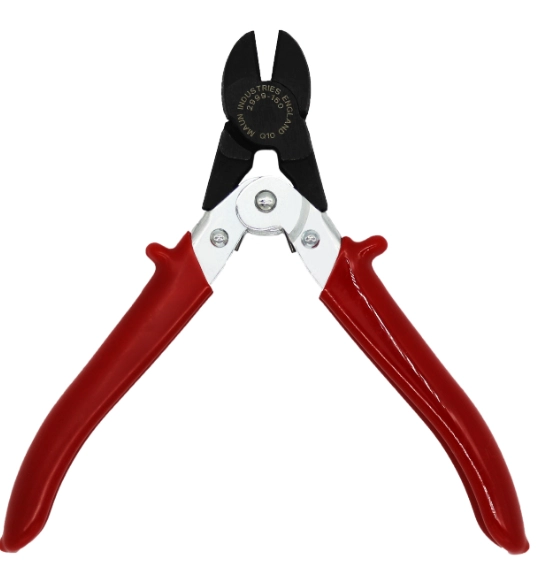
Diagonal cutters, often called diagonal cutting pliers, are handy tools used in electrical, mechanical, and fine assembly jobs. Their shape aims at making neat, exact cuts through stuff like copper wire, aluminum strands, or steel pins. In tool engineering, experts describe them by their special slanted jaws. These set them apart from regular gripping pliers. They do more than just trim wires. They show a smart mix of shape, metal type, and handle comfort. That makes them a must-have in pro tool sets. I recall using them once in a tight spot during a home wiring fix, and they saved the day without much fuss.
Design Features and Structural Composition
The key part of diagonal cutters is their slanted cutting edges. This setup lets you clip wires right up against flat areas. You avoid leaving pointy bits behind. The hinge point sits close to the blades. It boosts hand power well. So, you cut hard stuff with less pull. Regular pliers grab or turn things. But diagonal cutters cut down on squishing. They push force into a clean slicing move. This build gives exact work. It keeps other parts safe. That’s vital for jobs on circuit boards or machine setups.
Materials and Manufacturing Techniques
Good diagonal cutters come from high-carbon steel or chrome-vanadium mixes. These give solid strength and last against wear for daily shop use. The blades get heat-treated. That boosts toughness and keeps edges sharp after many snips. Lots of pro models have rust-proof layers like nickel or black oxide coats. They guard against damp air or outdoor work. These build choices boost how long the tool lasts. They also keep it steady under tough loads. For example, in a busy garage, these coatings mean less worry about rust after a rainy job site.
Functional Purpose in Professional Applications
Diagonal cutters mainly slice wire, pins, and small bolts. Electricians trim leads clean for setups. Mechanics pull out cotter pins or zip ties. They do this without harming nearby bits. Jewelers pick small ones for exact metal jobs. Here, spot-on work matters a lot. The blades slice, not smash. So, cuts stay tidy. No bending happens. That’s key for good electric flow or nice looks.
How Do Diagonal Cutters Differ from Standard Pliers?
Diagonal cutters look a bit like standard pliers at first. But their goals and inner workings vary a lot. Regular pliers aim at holding or bending stuff. Diagonal cutters focus on sharp slicing with smart angles for better cuts.
Differences in Jaw Design and Cutting Angle
The jaws on diagonal cutters tilt at an angle from the handles. This tilt helps make cuts flat near walls or boards. Parallel-jaw pliers can’t do that well. Standard ones have flat hold spots for grabbing, not cutting. The slanted jaw on diagonal cutters also reaches into small spots. Think behind panels or in machine boxes. Straight tools often can’t get there easily.
Variations in Mechanical Leverage and Force Distribution
How force works sets these tools apart. The hinge on diagonal cutters stays near the cut parts. It builds strong slice power with little hand push. Standard pliers spread force across jaws for firm holds. They don’t focus on sharp cuts. In real use, diagonal cutters need less squeeze. Yet they make clean breaks in mid-size wires. I’ve seen this in action on a factory floor, where a quick snip saved hours of fiddling.
Distinctions in Typical Use Cases Across Industries
Each field uses these tools in its own way. Electricians cut wires for installs. Mechanics grab them for clip removal. Jewelers use the fine tips for metal tweaks. In every spot, the tool shines by slicing neat. It skips messing up other parts. General pliers don’t match that skill.
Why Are Diagonal Cutters Essential in Electrical and Mechanical Work?
Pros like diagonal cutters for their exact cuts and safe feel. These traits matter big in electric and machine tasks. Sometimes, in a rush, that clean edge prevents a whole mess-up.
Precision Cutting of Conductive Materials
With wires like copper or aluminum, neat slices stop frayed tips. Those could spark shorts or bad links. Diagonal cutters let you end leads tidy in setups or fixes. They skip harm to nearby covers.
Versatility Across Maintenance Operations
These tools fit many fix jobs. From car shops to plant lines, they handle varied needs. Their small build slips into carry kits. Still, they pack power for big tasks. Like slicing thick ties or tiny bolts. In one auto repair I heard about, they cut through a stubborn cable in under a minute.
Contribution to Efficiency and Safety Standards
New styles have comfy grips. They cut down hand ache in long jobs. This small touch boosts shop ease over days. Steady work lowers fix-overs. It helps meet safety rules in power or machine spots.
What Types of Diagonal Cutters Are Commonly Used by Professionals?
Diagonal cutters come in different styles. Each fits certain tasks. From tiny electronics to big factory work, there’s a match.
Miniature Cutters for Precision Electronics Work
Small cutters have slim jaws. They suit solder benches or board fixes. Space is tight there. They give good control on small parts. No risk of too much push. Techs love them for wiry setups. Picture a phone repair— these nip leads without scratching chips.
Heavy-Duty Cutters for Industrial Applications
For thick wires or bolts, tough models step up. They have strong hinges and heat-set blades. These take repeated hard use. Builders pick them for frame work or gear upkeep. Strength tops the list. In heavy industry, they handle up to 10-gauge steel without a hitch, based on common shop tales.
Insulated Cutters for Electrical Safety Compliance
Around high power, safe cutters are a must. Their non-shock grips meet global rules like IEC 60900. They protect if you touch live wires by mistake. Safety first in electric zones.
How Should Professionals Maintain Their Diagonal Cutters?
Right care keeps tools sharp and long-lasting. Many skip this until cuts go bad. But a quick wipe can add years.
Regular Cleaning and Lubrication Practices
After jobs, clean dirt from hinges and edges. This stops rust that jams moves. A bit of light oil keeps the turn smooth. Store in dry spots to dodge wet harm in damp shops.
Inspection Techniques for Wear Detection
Check often for wear signs. Look for off jaws or blunt tips that hurt cuts. Test the hinge pull for steady work. Swap old handles to keep grip comfy in long days.
Proper Storage and Handling Methods
Use cases or wall hooks to shield blades from bumps. That avoids lasting bends. Label by size for easy grabs. It speeds up work with many cutter kinds in one area.
What Safety Considerations Apply When Using Diagonal Cutters?
With sharp tools, safety comes first. Even old hands need tips on safe ways. One slip can turn a simple cut into trouble.
Protective Equipment and Workspace Preparation
Wear eye gear always. Metal bits fly fast and wild. Stand firm before you squeeze. That way, slips don’t lead to hurts. Clear the area first for full control in each snip.
Safe Cutting Techniques and Hand Positioning
Aim cuts away from you. Not toward your body. This blocks bad accidents if jaws slip in mid-cut. Skip twists. They strain hinges and lead to off-kilter work later.
Compliance With Professional Safety Standards
Stick to maker limits on thick stuff per type. Going over wears blades fast and ups risks. For safe electric ones, check power levels now and then. Match local check times in shop plans.
How Can Professionals Choose the Right Diagonal Cutter for Their Needs?
Picking the best diagonal cutters means checking specs and handle feel. Tie it to daily job needs in your field. It’s like choosing shoes—fit matters for the long haul.
Evaluating Material Hardness and Cutting Capacity
Pair blade toughness to wire sizes you cut. Do this before you buy. It sets up good work and long use. Think about your main tasks. For soft copper, a basic model works. But for steel pins, go tougher. Match it right, and you’ll cut through jobs smoothly, maybe even handle unexpected thick spots without swapping tools mid-task.
FAQ
Q1: What is the main difference between diagonal cutters and side-cutting pliers?
A: Both terms describe similar tools; however, “diagonal cutter” refers specifically to the angled jaw geometry enabling flush cuts near surfaces.
Q2: Can diagonal cutters cut through hardened steel wire?
A: Only heavy-duty models rated for hard metals should be used; standard versions may chip under excessive load.
Q3: How often should lubrication be applied?
A: Apply light oil after each cleaning session—especially if operating in humid environments—to keep joints smooth.
Q4: Are insulated diagonal cutters necessary for low-voltage work?
A: While not mandatory below certain thresholds, using insulated versions adds extra protection against accidental contact with live circuits.
Q5: What causes dullness in cutter blades?
A: Repeated contact with overly hard materials beyond rated capacity gradually wears down edges leading eventually toward reduced cutting efficiency over time.


