
What Are Locking Pliers and How Can They Simplify Your DIY Projects
What Are Locking Pliers?
Locking pliers form a key part of any toolbox. People use them for tasks like mending a pipe, joining metal with heat, or keeping tiny parts in place. These tools stand out because of their tight hold. They keep that hold without you having to press all the time. It pays to learn what sets them apart from everyday pliers before checking out their inner workings. In fact, I’ve noticed that many new hobbyists overlook this at first, leading to some trial and error in the shop.
Definition and Core Function
Locking pliers count as hand tools made to grasp items firmly. They rely on a locking setup built right in. What really separates them from basic pliers is simple. Once you set the lock, they stay gripped on their own. And that means you can switch to other steps. For instance, you might spin a wrench or apply heat to join wires. All without the fear of the hold coming loose on whatever you’re working with.
Structural Components and Design Features
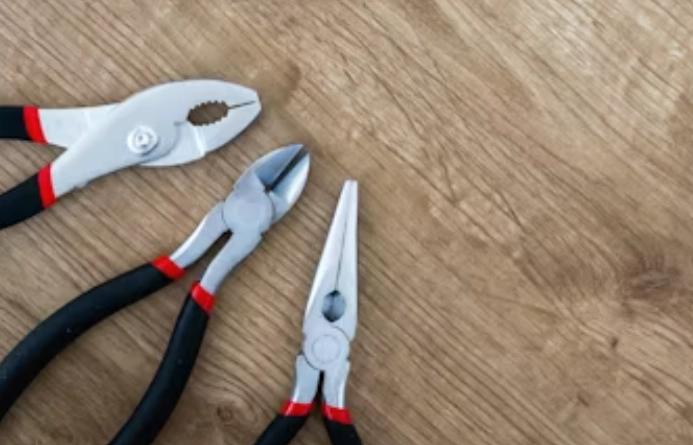
Most of these pliers include two handles joined to jaws. The jaws move in when you squeeze the handles. One handle has an adjustment screw near its tip. That screw controls the space between the jaws. Meanwhile, a locking lever holds everything steady. Their build spreads the squeeze evenly over the jaws. So you get a solid and steady grasp. This works well even on wet or uneven spots. Picture trying to clamp a oily pipe – the even spread makes all the difference, preventing slips that could ruin a repair job.
Common Types of Locking Pliers
A number of styles exist for various uses. Curved-jaw locking pliers suit round shapes best, such as pipes or bolts. Straight-jaw types handle flat items better, like sheets of metal. Bigger tasks, say welding or putting parts together, call for C-clamp locking pliers. These offer broad gaps and firm clamping power. From my time around workshops, the curved ones often get pulled out first for plumbing, while straight jaws shine in metalwork – each has its sweet spot.
How Do Locking Pliers Work?
The appeal of locking pliers comes from their basic yet useful setup. You learn how the pieces work as a team. After that, handling them becomes straightforward and sure. No more fumbling around like with tools that demand constant attention.
The Mechanism Behind the Locking Function
The screw you can adjust sits at the handle’s back. It decides how much the jaws can part. Squeeze the handles now. The jaws shut on your chosen item. They lock snug until you decide otherwise. An inside spring plus lever system holds them tight. You open them by hand when ready. This process feels almost automatic after a few tries, much like locking a bike – quick and reliable.
The Role of Leverage and Pressure Distribution
Locking pliers turn your hand push into more force at the jaws. The handles act as long arms to boost it. A small press can thus create strong squeeze up front. Thanks to this smart build, constant hand power isn’t needed. The tool manages the hold. And that cuts down on arm tiredness over extended work. In long sessions, like fixing a car engine that takes hours, this alone can make the day less exhausting.
The Process of Releasing the Grip Safely
Ready to let go? Just push the tiny lever close to the handle’s bottom. It undoes the lock bit by bit. No sudden pop open. This keeps your stuff safe from harm. It also protects your fingers. Always double-check clearance before pressing, especially in crowded workspaces where space is tight.
Why Are Locking Pliers Useful in DIY Projects?
Like fixing things at home or making creative builds? Locking pliers cut down on time and work. They blend several tool roles into one strong unit. Sometimes, they’re the unsung heroes of a cluttered garage shelf.
Versatility Across Different Materials and Tasks
Locking pliers work on nearly every material. They clamp wood sections while glue sets. Or they twist metal strands. You can also steady plastic pipes for a clean cut. This range of uses fits wood projects, pipe work, car fixes, and craft hobbies. Take a woodworking glue-up – they hold pieces flush for 30 minutes or more without budging. Their flexibility turns chaotic projects into smooth sails.
Replacement for Multiple Traditional Tools
Forget jumping between wrenches, clamps, or vises. A single pair of locking pliers can take on those duties. It all hinges on the tightness you choose. This handiness shines when room is short. Or out in the yard, where lugging less gear counts. I recall a camping trip repair where one pair fixed a tent pole – no bulky extras needed.
Enhanced Control for Precision Work
Set them, and they stay put. Now you can zero in on getting things exact. Forget battling to keep the squeeze steady. This trait proves extra useful for heating tiny joints or matching up fragile bits. Those jobs demand calm, unwavering hands. In detailed crafts, like model building with parts under 1 inch, the locked hold lets you focus without distraction.
What Types of Locking Pliers Should You Consider?
The best pick relies on your usual tasks. Every style brings its own strengths. These make specific jobs simpler or less risky. Match them to your routine for best results.
Curved-Jaw Locking Pliers for Rounded Objects
Curved-jaw kinds feature rough teeth bent to hug round areas. Think bolts or pipes. They create solid touch spots. This reduces slides, even with twisting pulls. For a real-world bit, they’re ideal for loosening a 2-inch pipe fitting without the whole thing spinning loose.
Straight-Jaw Locking Pliers for Flat Surfaces
Often deal with flat stuff like steel sheets or wood slabs? Straight-jaw pliers give even squeeze along the full length. Perfect for curving rims or keeping sections level in builds. They ensure parts sit flat, avoiding gaps that could weaken a joint.
C-Clamp Locking Pliers for Welding and Assembly Work
C-clamp models boast large gaps suited for big grabs. Such as metal frames or panels in weld tasks. The deep cut allows good access. Yet it keeps things stable. In assembly lines, they clamp up to 6 inches wide, holding frames steady for precise joins without wobble.
How Can You Use Locking Pliers Effectively?
Solid results from locking pliers start with right adjustments upfront. Then comes careful use in action. Follow these, and they perform like pros.
Adjusting Jaw Width Before Application
Before grabbing your item, twist the adjustment screw. Set the jaws to hug it close. But avoid overdoing it – no shape changes. This right prep leads to easy locking down the line. A loose fit might mean readjusting mid-task, wasting time.
Securing Objects with Consistent Pressure
With the setup done, press the two handles with force. Listen for the click that shows lock-in. Test if your material shifts. If yes, undo and set a tad tighter for the next go. Consistent hold comes from this check – vital for jobs like wire twisting where slip means rework.
Releasing and Resetting After Use
To free them up, ease down on the release lever. Keep your free hand away from action spots. Then, ease back the adjustment screw just a little. This clears any leftover pull inside during storage. It prevents wear, keeping them sharp for future fixes.
What Safety Practices Should Be Followed When Using Locking Pliers?
These tools appear straightforward. Yet basic safety habits stop mishaps. They also boost how long the pliers last. Stick to routines for peace.
Checking Tool Condition Before Each Use
Give your locking pliers a look-over before diving in. Spot any breaks in the handles or rust near turn points. These signal a swap might come soon. Skipping this can lead to failures, like during a critical clamp on a hot weld – not worth the risk.
Avoiding Excessive Force During Operation
Too much push warps gentle materials. It can also chew up bolt grooves. Rather than cranking harder, build the grip slow. Aim for secure without overkill. This gradual way suits soft woods or thin metals, preserving your workpieces.
Storing Tools Properly After Use
Job over? Clean off grime or dampness from the pliers. Stow them in a dry area. Clean upkeep fights rust. It also lets parts move free over seasons. Pro tip: a soft cloth wipe after oily jobs keeps them like new for years.
Where Can You Find Reliable Locking Pliers?
Brands fill shelves these days. But quality beats low cost for lasting strength and ease in drawn-out work. Hunt wisely for value.
Evaluating Brand Reputation and Material Quality
Choose makers famed for tough steel builds. Since weak ones fade under steady pulls. Comfy handles cut hand ache too. If you use them daily in projects, these details matter – ergonomic ones feel better after 8 hours straight.
Comparing Price Ranges and Feature Sets Online
Online buys? Scrutinize the specs well. Jaw spans differ a lot across similar models. Dive into user thoughts on toughness in daily use. Skip focus on just looks. Entry-level sets run $8 to $15, while feature-packed ones hit $25 to $40 – compare for your needs.
Selecting Retailers With Product Support Options
Pick shops with backup like guarantees or simple trades. This brings calm, above all for top-shelf pro tools built to endure years. Not quick discards. Reliable spots offer returns within 30 days, easing worries on big spends.
FAQ
Q1: What’s the main difference between locking pliers and regular pliers?
A: Regular pliers need your full hand squeeze to keep items. Locking pliers snap shut on their own once you start. This gives free hands for the rest of the job.
Q2: Can locking pliers damage materials?
A: Yes, with too much tightness. They might dent spots, mainly on mild metals like aluminum. So set them slow before the full clamp.
Q3: Are there specialized versions beyond curved straight or C-clamp types?
A: Yes. Some makers provide needle-nose sorts for narrow areas. Also, weld-focused ones with coatings to handle heat without wear.
Q4: How do I maintain my locking pliers properly?
A: Wipe clean after each job. Dab light oil at times on the turn spots. Store in dry places. Skip drops – they can shift insides, cutting work power later.
Q5: Is it worth buying multiple sizes?
A: For sure. Little ones handle fine electronic tasks well. Bigger pairs bring more pull, key for car mends or pipe setups and such.


