
What Is an Adjustable Spanner Used for in Professional Settings
What Is an Adjustable Spanner?
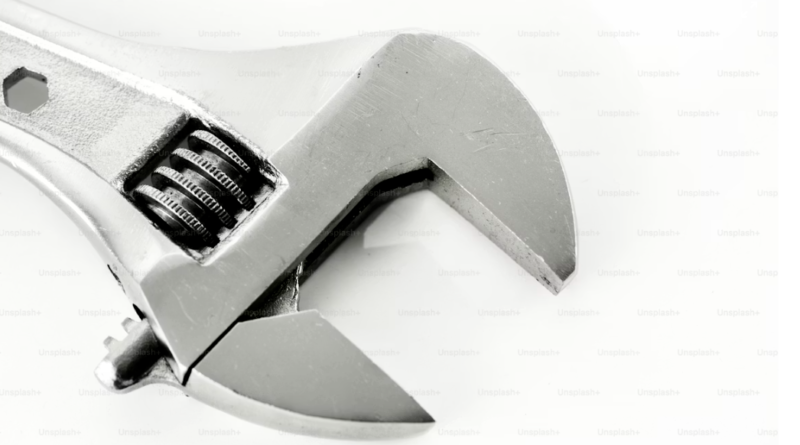
An adjustable spanner, often known as a crescent wrench, is one of the most handy tools in mechanical and industrial jobs. It can deal with different fastener sizes without the need for several fixed wrenches. This kind of flexibility turns it into a basic item in toolkits for many trades. Think about a busy garage where mechanics grab one tool to fit nuts of all sorts. That saves a lot of hassle.
Definition and Design Characteristics
An adjustable spanner has a moving jaw next to a fixed jaw. You can change the width of the opening to match various nuts and bolts. The way it adjusts usually uses a worm gear or screw. This lets the moving jaw slide easily. The handle tends to be long enough to give good torque. At the same time, it keeps control. Many handles have a non-slip coating for a better hold. In everyday use, this design helps avoid slips during tough tasks.
Historical Development and Evolution
The idea for this tool goes back to the late 1800s. Inventors wanted to make mechanical fixes simpler. They aimed to swap out groups of fixed wrenches with just one that adjusts. As years passed, makers improved the materials and comfort. Now, we have strong alloy steel types that fight off rust and damage. The crescent wrench gained real fame in the early 1900s. Its usefulness shone in both factory work and home fixes. For example, during the big industrial boom, workers carried them everywhere for quick repairs on machines.
Common Terminology and Synonyms
In different places or jobs, people call this tool by various names. You might hear adjustable wrench, crescent wrench, shifting spanner, or monkey wrench. These terms often mix up, but small differences show up. They relate to jaw shape and how much it can open.
How Does an Adjustable Spanner Function?
The adjustable spanner works on a basic but exact mechanical idea. This lets it fit many fastener sizes in a fast way.
Mechanism of Adjustability
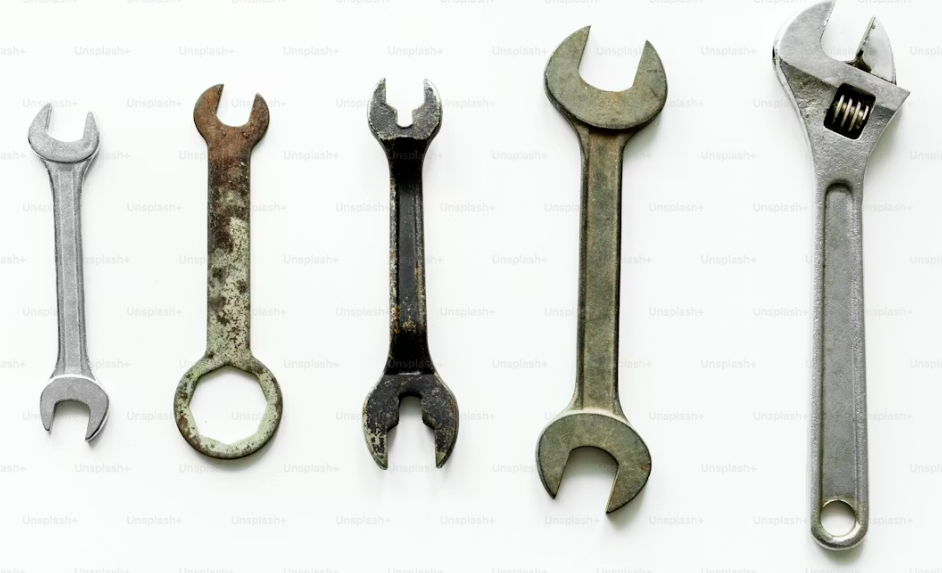
The worm screw setup moves the moving jaw along a track with fine control. Turn the knurled thumbwheel to make the opening bigger or smaller. Do this until it fits tight around the nut or bolt head. This setup touches two flat sides. As a result, it cuts down on rounding or harm to the parts. I’ve seen folks in shops adjust it in seconds for a perfect hold.
Materials and Construction Details
Good adjustable spanners come from chrome-vanadium or carbon steel. These give solid strength and long life. Some top models get heat-treated for more hardness. They also have nickel or chrome plating to stop rust. The jaws get made with care to keep exact fits. Even after many uses, they hold up well. In wet areas like plumbing, that plating makes a big difference.
Variations in Design for Specific Uses
Various styles fit certain spots. For instance, wide jaws work great for plumbing parts. Slim heads squeeze into tight car areas. Insulated handles suit electrical jobs safely. Some kinds even have size marks carved on the jaw for easy checks. A plumber might pick one with extra jaw width to handle old, worn pipes without a fight.
Why Is an Adjustable Spanner Essential in Professional Settings?
Workers in many fields count on adjustable spanners. They mix speed with all-around use. Just one tool tackles lots of jobs.
Versatility Across Different Fastener Sizes
You don’t need to lug around many wrenches. Adjust one crescent wrench to match several nut sizes in moments. This helps a ton with mixed parts or on-site fixes where room is short. Picture a road repair crew dealing with bolts from 10mm to 20mm. One tool covers it all, no digging through bags.
Efficiency in Time-Sensitive Operations
In places like car shops or building sites, time counts a lot. An adjustable spanner cuts wait time by skipping tool swaps. Its fast tweak lets you switch between bolt sizes without a pause. This keeps the work flowing smooth. During a rush job, like fixing a leaking pipe before a storm, every second helps.
Cost-Effectiveness Compared to Fixed Wrenches
From a money view, buying one solid adjustable spanner beats getting a full set of fixed ones. It cuts down on storage space and starting costs. Still, it works well in many spots. For small shops with tight budgets, this choice pays off quick. Over a year, it might save space for 10 or more other tools.
What Are the Typical Applications of an Adjustable Spanner?
The adjustable spanner finds spots in many fields. These involve regular fastening work.
Use in Automotive Repair and Maintenance
Car fixers often reach for crescent wrenches. They handle the range of bolt sizes in engines, frames, and brakes. Quick changes aid in reaching spots under cars that are hard to get at. For example, when swapping an oil filter on a truck, it fits odd sizes just right without extra hassle.
Role in Plumbing and Pipe Fitting Tasks
Plumbers lean on adjustable spanners for nuts on compression fittings. Or they use them to join pipes where sizes vary from wear or threads. A model with broad jaws grabs big fixtures firm, no slip. In a home remodel, it tightens joints on copper lines easily, even if they’re a bit off-standard.
Importance in Mechanical and Industrial Settings
In plants or assembly spots, techs use these for machine care. They meet different fasteners each day. The tool’s bend cuts breaks in work during gear checks. On a factory floor with conveyor belts needing daily tweaks, it keeps things running without big delays.
How Does One Properly Use an Adjustable Spanner?
Right use of this tool keeps things safe. It also stops harm to fasteners and gear.
Techniques for Optimal Grip and Torque Application
Put the moving jaw on the torque side always. This way, the push goes against the fixed jaw. It lowers slip chances. Tweak it so no wobble exists between jaws. Then apply torque steady, not in jerks. In practice, this method works best on rusty bolts, giving a clean turn without damage.
Safety Precautions During Use
Put on gloves if needed to dodge skin pinches from parts that move. Don’t add pipes to handles for more reach. Too much pull can bend jaws or ruin bolt threads. Always check your stance to avoid falls, especially on ladders in tight spots.
Maintenance Tips for Longevity
Brush dirt from the worm gear now and then to keep threads clean. Dab on light machine oil sometimes for smooth slides. Store your crescent wrench in a dry place after jobs to fight rust. Simple habits like wiping it down after sweaty work can add years to its life.
What Are the Advantages of Using a Crescent Wrench Over Other Tools?
A crescent wrench shines among hand tools. It blends ease with fit for many jobs, all while staying strong.
Adaptability to Various Tasks and Environments
It works for bike brake tweaks outside or valve tightens in big plants. No need for add-ons or sockets in most cases. This makes it a go-to for odd jobs, like fixing a gate latch in the yard or a shelf bracket indoors.
Ease of Use for Professionals and Amateurs Alike
Even new folks can handle it well. The tweak system feels natural. Just spin the thumbwheel till it fits snug. No fancy setup required. Kids in shop class pick it up fast, and pros use it without thinking.
Space-Saving Benefits in Toolkits
For techs on the move with small kits, it swaps out many fixed wrenches. This lightens the load and frees room. You’re set for surprise fixes anytime. In a van packed with gear for field service, it means less clutter and more focus on the task.
What Are the Limitations of Using an Adjustable Spanner?
For all its good points, some spots don’t suit this tool well. It’s not perfect for every job.
Potential for Slippage with Improper Use
If you don’t tighten the jaws enough on fasteners, they can slide under pull. This rounds edges or risks hurt. Always make the fit precise before torque. In greasy conditions, like under a car hood, double-check to avoid that mess.
Limitations in Handling High-Torque Applications
For jobs needing big force, like on building bolts, fixed wrenches hold better. Their firm jaws spread stress even, no bend under push. The adjustable one might flex a bit, so pick wisely for heavy lifts.
Wear and Tear from Frequent Adjustments
With lots of tweaks over time, the worm gear might get loose. This cuts down on exactness. Check it now and then for steady work, especially in daily pro use. After a hundred jobs, a quick test keeps it reliable.
FAQ
Q1: What is another name for an adjustable spanner?
A: It’s commonly called a crescent wrench or adjustable wrench depending on regional terminology.
Q2: Can an adjustable spanner replace all other wrenches?
A: Not entirely; while it covers many sizes efficiently, precision applications may still require dedicated fixed wrenches.
Q3: How should you store your crescent wrench?
A: Keep it clean, lightly oiled, and stored dry to prevent corrosion on moving parts.
Q4: Is it safe to use an adjustable spanner on rounded nuts?
A: It’s not recommended since reduced surface contact increases slippage risk; use proper extraction tools instead.
Q5: What materials are best for professional-grade adjustable spanners?
A: Chrome-vanadium steel offers excellent strength-to-weight ratio along with corrosion resistance ideal for long-term professional use.


