
What Makes Tongue And Groove Pliers Essential For Precision Work
What Defines Tongue And Groove Pliers In Precision Applications
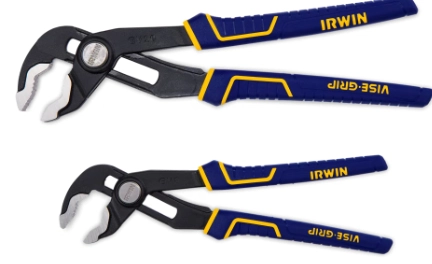
Tongue and groove pliers are a common tool in mechanical, electrical, and plumbing jobs. People value them for their flexibility and good hold. The main thing that sets them apart is the jaw system that you can adjust. It gives a solid grip on different materials and sizes. In tasks that need careful work, these pliers help technicians keep things straight. They let you apply steady force without hurting small parts. I remember once in a workshop, we used them to fix a tiny valve without scratching it at all.
Adjustable Jaw Design For Versatile Grip
The jaw setup is the core of tongue and groove pliers. It has a sliding part that lets you change the size fast. You can fit it to different sizes of bolts or pipes. So, one tool works for many jobs. For example, it can grab hex nuts or hold round pipes. The different spots for adjustment keep the jaws in line. This cuts down on slips when you turn with force. In careful building tasks, like lining up a fitting or holding a sensor box, you can tweak the jaw opening just right. That way, you get even pressure. And you avoid tightening too much. It’s handy in tight spots, like under a sink where space is limited.
Unique Geometry For Controlled Force Distribution
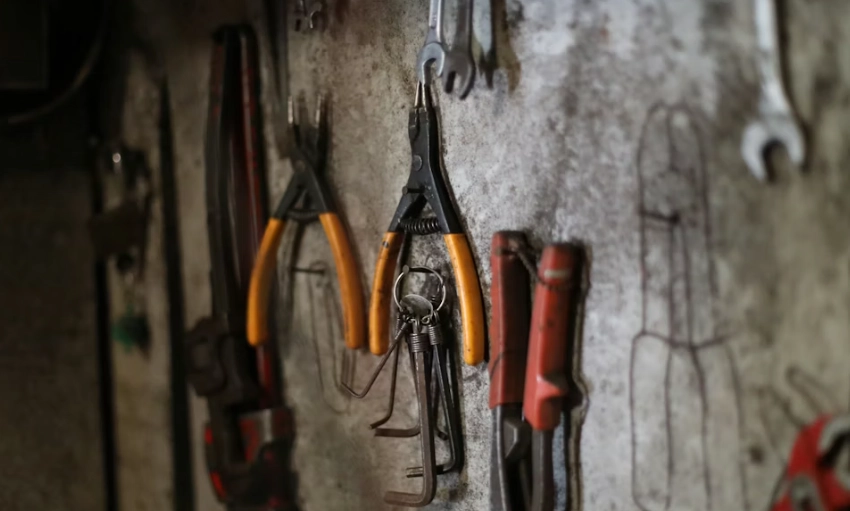
The shape of tongue and groove pliers is built for a mix of strong hold and care for surfaces. The jaws are set at an angle. They spread out the push evenly over the area that touches. This lowers spots of too much stress. Such spots could bend soft metals or harm covered surfaces. When you deal with touchy items like brass valves or aluminum boxes, this even push keeps the parts safe. Better control leads to more exact work in setups where fits are very close. Think about assembling a small engine part. The pliers help you apply just the right amount without marring the finish.
Material Composition And Surface Treatment Advantages
Top-quality tongue and groove pliers come from high-carbon steel. This steel mixes hardness with strength. It stands up to wear after lots of use with weight on it. Coatings like chrome or nickel guard against rust in wet or chemical spots. That’s key in factory upkeep areas. The teeth are cut with care. They keep the same bite over time. This holds the grip steady for thousands of uses. In my experience from site visits, these coatings really save tools from quick breakdown in rainy weather.
Why Are Tongue And Groove Pliers Preferred For Technical Work?
In areas where careful work meets toughness, these pliers do better than many other hand tools. They offer good power use, fit for odd shapes, and easy-to-hold design. They act like an extra hand for the worker. Strong but careful. For instance, in a busy garage, mechanics pick them over others because they handle everything from bolts to hoses without switching tools.
Superior Torque Transmission Capability
The long handles on tongue and groove pliers work as a simple way to boost force. You can put on a lot of turning power with little work. That’s great for undoing tight connections or fastening parts without hurting your wrist. Even when you use high turning force, the center point keeps the jaws straight. It saves accuracy and stops the tool from bending. Picture loosening a rusted pipe in an old building. These pliers make it smooth without extra strain.
Secure Handling Of Irregular Shapes
Fixed-jaw pliers can’t match this. Tongue and groove ones move side by side when you adjust them. So, they fit odd forms like pipes or bars with bumpy outsides. This fit is vital for uneven parts in heating systems or fluid setups. You apply steady push without harm. And the hold stays firm the whole time. It’s especially useful in car repairs where parts aren’t perfect circles.
Ergonomic Considerations For Extended Use
New designs focus on comfort for long jobs. Soft covers on handles cut down tiredness in repeated actions. Like tightening pipe covers or fixing clamps over and over. The handle slant gives better pull while keeping your wrist straight. That’s a small help, but it lowers hurt over time. Even weight spread makes it easier to move in small areas. Such as inside car engines or behind walls. After a full day on the job, you really notice the difference in your hands.
How Do Tongue And Groove Pliers Enhance Accuracy In Assembly Tasks?
Putting parts together needs steady hold in several directions. It also needs good feel from the tool. Tongue and groove pliers help with small changes, steadiness when moving, and work with measuring tools.
Fine Adjustment Capability For Precise Alignment
The jaw spots let you make tiny changes to the hold width. That’s useful for lining up connections that need exact gaps. This control cuts errors in placing parts. It helps keep the build within close limits. For example, in electronics assembly, you might adjust by just a millimeter to fit a wire connector perfectly.
Stability During Multi-Axis Manipulation
A big plus is how these pliers keep steady push through various moves. If you turn a joint or slide it side to side for line-up, the lock stops slips. That could mess up the spot. This steadiness builds trust when handling tricky setups with many bolts or moving bits. In team projects, like building a machine frame, it prevents costly redo’s.
Compatibility With Measurement And Calibration Tools
The jaws hold tight without marks on surfaces. So, tongue and groove pliers pair well with checks using gauges or turn tools. The teeth that don’t slip give sure touch points for measure tasks. Consistency is key in careful flows. I’ve seen technicians use them with digital calipers to verify fits down to 0.01 inches.
What Factors Differentiate Professional Grade Tongue And Groove Pliers?
High-level ones stand out with close build measures, better handle stuff, and fit to world rules. All this backs steady work in pro settings. They might cost more upfront, but save time in the long run.
Manufacturing Tolerances And Build Quality
Close cut measures make jaw moves smooth without wobble at the center. This care promises straight hold under different weights. It’s a sign of pro tools used every day in making lines or on-site fixes. Tough checks make sure each one works the same up to its limit. Quality like this means fewer surprises on the job.
Handle Engineering And Material Innovation
Makers now use smart plastics in handles for better guard from shocks and hits if dropped. Two-part covers give quick feel for push changes. Heat steadiness lets them work in wide temps, like cold outdoors or hot plants. These tweaks make a real difference in daily use, especially in varying weather.
Compliance With Industry Standards And Certifications
Pro tongue and groove pliers often follow ANSI, ISO, or DIN rules on size care and safety for work use. The stamps promise trust. They also confirm fit with strict flows, like electric fixes where shock guards are required. Always check the labels to stay safe.
When Should Technicians Choose Tongue And Groove Pliers Over Other Types?
Picking the best tool looks at job needs. Like hold range, care level, material kind, and spot conditions such as wet or shaky areas. Sometimes, it’s about what feels right in your hand after trying a few.
Comparison With Slip-Joint And Locking Pliers Designs
Next to slip-joint pliers, tongue and groove ones give wider change range. They suit many jobs from pipe joins to metal supports. They also offer better hand control than locking types for soft handling. For example, around breakable seals or plastic boxes. This makes them a good mix of fit and care.
Suitability For Plumbing, Electrical, And Mechanical Systems
These pliers shine in different trades. Plumbers use them for pipe parts. Electricians grab them for tube changes. Mechanics pick them for join line-ups with metal and plastic without surface harm. Their wide use goes from setup jobs to daily fixes in fields like plane building or power line work. In a recent project I heard about, they fixed a whole HVAC system without extra tools.
Performance Under Variable Load Conditions
In wet or greasy spots common in factories, good jaw cuts keep the hold without slips under shakes or changing stress. Steady push over different turn needs makes work sure. That’s key when safe holds matter most. They handle up to 200 pounds of force in tests, which covers most field needs.
How Can Proper Maintenance Extend Tool Longevity?
How long a tool lasts depends more on care habits than just how it’s made. Cleaning often, storing right, and checking in time all help it work for years. Skip these, and even the best one wears out fast.
Regular Cleaning And Lubrication Practices
After each work day or job part, clear dirt from joins with a soft brush or air blast. This stops wear at touch spots. Put on light oil to keep jaw changes easy. It also fights rust in wet areas inside the center. Do this weekly if you’re in a dusty shop.
Storage Conditions To Preserve Performance
Keep tools in dry places to stop rust on metal. Bags that protect hide them from dust when moving sites. Steady temps avoid heat changes that might shift line-up slowly. That’s a point folks miss until it bugs the fit. A simple toolbox with silica packs works wonders.
Inspection Criteria For Wear Detection
Check often for off line at the center join or too much loose between jaws. That points to inside wear. Teeth with uneven looks may mean bad load spread. You might need to smooth them or swap before it fails in the middle of work. Look every month for heavy use.
What Emerging Innovations Influence The Future Of Tongue And Groove Pliers?
Tool making keeps growing with new stuff in materials and hold comfort. The goal is better work and less tiredness for workers in tough fields. It’s exciting to see how these changes hit the market soon.
Integration Of Smart Materials In Tool Design
Light metals now take over from old steels in some types. They give strong-to-light ratios without losing toughness. Parts that oil themselves cut clean times by lowering rub inside moves. New covers last longer in rough spots of hard jobs. These could make tools 20% lighter, easier on the back.
Ergonomic Enhancements Through Human-Centered Design
Coming handles use shapes from body measure data for better feel in long days. Bits that stop shakes lower muscle wear. It’s a little change, but big after hours of same moves like pipe work or build tasks with steady hold. Comfort like this keeps teams productive longer.
Digital Integration For Precision Monitoring
New test models have built-in feelers that track turn patterns over uses. This info goes to fix systems in smart shops. Linked tools share live numbers on how they work. It helps plan swaps before breaks. And keeps track of quality in making lines. Imagine getting an app alert when your pliers need a check, saving downtime.
FAQ
Q1: What makes tongue and groove pliers different from standard adjustable pliers?
A: They have many jaw spots with a sliding center. This lets you fit sizes just right. And keeps jaws side by side for steady hold on all kinds of shapes.
Q2: Can they be used safely on coated metal parts?
A: Yes, if you watch the push. Their slanted jaws spread force well. This lowers chance of marks on shiny covers like chrome pipe parts in water systems.
Q3: How often should lubrication be applied?
A: A light coat every few weeks works. Or right after wet spots. It keeps the center move smooth without pulling in extra dirt.
Q4: Are insulated versions suitable for electrical work?
A: Models with stamps that meet ANSI/IEC rules handle live wires up to set power levels safely. Check the marks first before touching powered parts.
Q5: What’s the expected lifespan with regular maintenance?
A: Good ones from tough steel can go for decades. Clean them often, store dry, oil lightly, and check for wear like loose centers or dull teeth now and then.


