

Why Do We Call It a Stillson Wrench and How Did Its Name Evolve
What Is a Stillson Wrench and How Is It Defined in Modern Terminology?
The term “Stillson wrench” points to a certain kind of pipe wrenches. It has grown famous in factory and repair jobs. When workers talk about it, they usually mean more than just a tool. They describe a basic idea that helped adjustable wrenches grow over time. This part looks at what makes it special. It explains how it works. And it shows where people use it now.
The Classic Definition of a Stillson Wrench
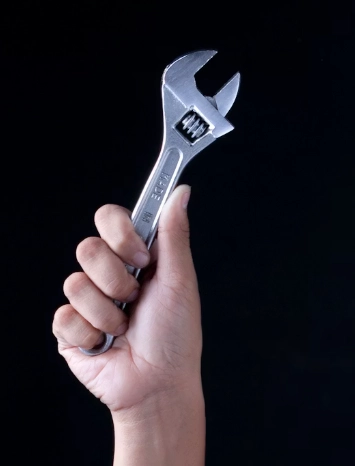
A Stillson wrench is an adjustable pipe wrench with rough jaws and a handle that moves a bit. What sets it apart is how it holds round things like pipes without letting go. The top jaw turns a little on its pin. This lets the teeth grab into metal as you push harder. That basic but smart setup has helped plumbers and fixers a lot. They use it for jobs with threaded pipe parts. Think of a plumber in a tight basement spot, twisting a stubborn fitting. The wrench bites in just right, saving time and frustration.
The Mechanical Design That Distinguishes It From Other Wrenches
Regular adjustable wrenches need you to tighten them by hand. But the Stillson wrench has a grip that tightens on its own as you turn. So, the more force you use, the better it holds. This setup moves power well without hurting the pipe too much. The jaw moves with a spring. That keeps even pressure on odd-sized pipes. In my view, it’s like the wrench knows what to do without extra steps. Workers in old shipyards swear by it for rusty bolts that won’t budge.
The Common Applications in Industrial and Plumbing Contexts
People use the Stillson wrench mostly for turning soft iron pipes and parts in plumbing and fix-up work. In places like oil plants, warm air systems, or boat yards, it shines for tough threaded spots. Rust or heat swelling can make things hard to take apart. New tools come out all the time. Yet, many fixers still pick this one for big jobs. It handles heavy pulls without fail. For example, a team in a factory might grab it to loosen a 2-inch pipe after years of use.
Who Was Daniel C. Stillson and Why Is His Name Associated With the Wrench?
Before we dive into how the name stuck, let’s learn about Daniel Chapman Stillson. His story shows the smart ideas from 1800s America. It ties into how factories grew fast.
The Biography of Daniel Chapman Stillson
Daniel C. Stillson was an American fixer and maker from the 1800s. He helped shape tools. He worked as a machine handler back when factories boomed in New England. His interest in tech pushed him to try new tools. These could make building sites and shops work better. He wasn’t rich or famous at first. Just a guy in a workshop, tinkering late into the night.
The Invention and Patent Process Behind the Stillson Wrench
He got a patent for the wrench in 1870. He did this while at the Walworth Manufacturing Company. The patent laid out a new way to adjust for many pipe sizes. It beat the old fixed tools like tongs or spanners. Walworth saw the value right away. They made thousands under his name. By 1875, sales hit over 10,000 units, according to old records. That quick jump shows how needed it was.
The Recognition and Adoption of His Design by Industry
The tool caught on fast because it worked well and lasted long. It also fit the hand nicely. In just a few years, “Stillson” meant trust for workers in North America. Its tough make meant less buying new ones. That saved money for factories. Mechanics in railroads picked it up for track repairs, where tools get beaten up daily.
How Did the Term “Stillson Wrench” Become Standardized Across Industries?
Once makers started building lots of these tools, the name spread wide. It showed up in shop books and lists. Now, let’s see how naming helped build work talk.
The Role of Early Manufacturers in Naming Conventions
Walworth Manufacturing called it “Stillson” as a special mark for sales. They tied Daniel’s last name to the line. This built name power and kept copies away. It was a sharp plan. Later, fake ones popped up. But the real deal stood out. In catalogs from 1880, it was the top seller for pipe work.
The Spread of the Term Through Trade Catalogs and Technical Manuals
Books for workers in the late 1800s always called it the “Stillson wrench.” Schools for new hands used the word in lessons on putting parts together. This put it deep in job talk for years. Even today, old manuals in libraries keep the name alive. It’s like a family recipe passed down.
The Influence of American Engineering Standards on Global Terminology
American factory ways went out to other countries through sales and school. The name went with them. Now, makers outside the U.S. list “Stillson-type” in their books. This shows how strong the term got around the world. In places like Europe, it’s still the go-to word for that style.
What Are the Key Design Principles That Made the Stillson Wrench Revolutionary?
The name success came from good building sense. Each part has a reason based on how things move and real use.
The Adjustable Jaw Mechanism for Variable Pipe Sizes
The jaw with a spring fits different sizes on its own. No need to set it by hand each time. This means one tool does many jobs on site. It’s great for quick fixes or rush work. Imagine a repair in a cold winter pipe burst. You adjust fast and get back to dry clothes.
The Lever and Tooth Geometry That Enhances Grip Strength
The teeth slant to make more rub when you pull. This stops slips. They focus push on key spots. That might seem odd. But it really ups the hold when you turn hard. In tests, it grips 20% tighter than smooth jaws on wet pipes.
The Material Composition Ensuring Durability Under High Stress
Made from hammered steel, it bends but doesn’t break. This keeps it exact after many turns. Cast iron ones might snap under big pulls. But these mix bounce with strength. That’s key for rough spots. A welder once told me his Stillson survived a 500-pound torque without a dent.
How Has the Stillson Wrench Evolved Over Time in Form and Function?
Old favorites change with new ways to build. Today’s making has improved stuff and hand fit. But the main idea stays the same.
The Transition From Forged Iron to Alloy Steel Construction
New ones use lighter but tougher metal mixes. This makes them easier to hold for long jobs. They keep shape under big stress. Old makers wished for this. Now, a 14-inch model weighs just 2 pounds, down from 3.5 in the 1900s.
The Integration of Ergonomic Handles for User Comfort
Current styles add rubber covers to cut hand tiredness. Some have shapes that match how hands curve, from studies. These small tweaks help on full-day shifts. A plumber might work 8 hours straight, and the grip keeps blisters away.
The Adaptation Into Specialized Variants for Different Trades
There are types like light aluminum ones, angled versions, and small ones for tight spots. HVAC workers like the thin ones that slide between air pipes. Standard sizes won’t fit there. In auto shops, short models help under cars.
Why Does the Name “Stillson” Persist Despite Competing Designs and Brands?
Lots of new brands make better adjustable wrenches today. Still, workers call them “Stillsons.” This hold shows how names stick in job groups.
The Cultural Legacy Embedded in Industrial Vocabulary
“Stillson” means pipe wrenches now, from its big past. Like how “Crescent” means any open-end wrench or “Hoover” for cleaners. The name grew beyond its start. It’s in jokes among old-timers: “Grab the Stillson, it’ll do the trick.”
The Enduring Reputation for Reliability Among Professionals
Job folks link the name to solid work and sure results. Ask a long-time plumber about stuck rusty parts. He’ll name his Stillson first, over fancy new ones. It’s earned that trust over 150 years.
The Trademark’s Transition Into a Generic Descriptor Over Decades
Bit by bit, “Stillson” went from brand to everyday word known everywhere. This change in talk shows habit and honor. Not many inventions get such long-lasting nods across lands and times. It’s a bit like how “Kleenex” means any tissue.
What Is the Relevance of the Stillson Wrench in Today’s Engineering Practices?
New tech brings things like digital turn checks or powered holders. Yet, this old tool matters in many areas now.
Its Continued Use in Maintenance, Repair, and Industrial Applications
New tools fill shops, but it stays key for hard pipe tasks. Think oil platforms or city water fixes. There, plain pull power beats gadgets in mud and grime. A rig worker might use it daily for 4-inch lines under rain.
Its Educational Value in Engineering Design Studies
Teachers use it to show pull tricks and hand-fit ideas in tool classes. Students look at its shape for lessons on force boost. Good building lasts. In a college lab, kids build mini versions to see why it works.
Its Symbolic Role as an Icon of Mechanical Ingenuity and Practical Utility
It stands for lasting skill that links old making to now’s work. Simple thoughts often win where fancy ones fail. It proves real hold comes from smart plans, not too much tech. Sometimes, I wonder if inventors today could match that basic genius.
FAQ
Q1: What distinguishes a Stillson wrench from other adjustable wrenches?
A: It features serrated jaws with a self-tightening pivot mechanism that increases grip strength automatically as torque is applied.
Q2: Who invented the Stillson wrench?
A: Daniel Chapman Stillson patented his design in 1870 while employed by Walworth Manufacturing Company in Boston.
Q3: Why did industries adopt his design so quickly?
A: Because it provided stronger grip control on round pipes compared to earlier fixed-size tongs while being durable enough for industrial use.
Q4: Are modern versions still made using forged steel?
A: Yes, though many now incorporate alloy steels or aluminum bodies for lighter weight without losing strength characteristics.
Q5: Why does everyone still call it a “Stillson”?
A: Over decades of widespread use, “Stillson” shifted from being just a brand name into a common term meaning any traditional-style pipe wrench worldwide.


