

What Makes Drywall Screws the Absolute Choice for Structural Integrity
Why Are Drywall Screws Essential for Structural Integrity?
Drywall screws might look tiny. But they hold a key part in keeping wall setups steady and lasting a long time. When you put up gypsum boards or build light frames, these screws give a firm grip. That keeps all parts in place. Their shape does more than just join things. Each part helps stop building failures, wall cracks, and screws coming loose after a while.
Composition and Material Strength of Drywall Screws
Drywall screws usually come from tough steel. This lets them fight bending or breaking under weight. The makeup of the material handles the turning force during setup. It also deals with the pulls and pushes once walls are up and running. They add covers like black phosphate or zinc to guard against rust. This works well in damp spots, such as basements or kitchens. These layers cut down on rubbing while you drive them in. So, you get better handle and less damage to your tools. The pulling strength stays solid over the years. That means panels remain snug even with shakes or heat shifts. In my experience from home projects, these coatings make a big difference in wet areas where plain screws might fail faster.
Thread Design and Its Role in Load Distribution
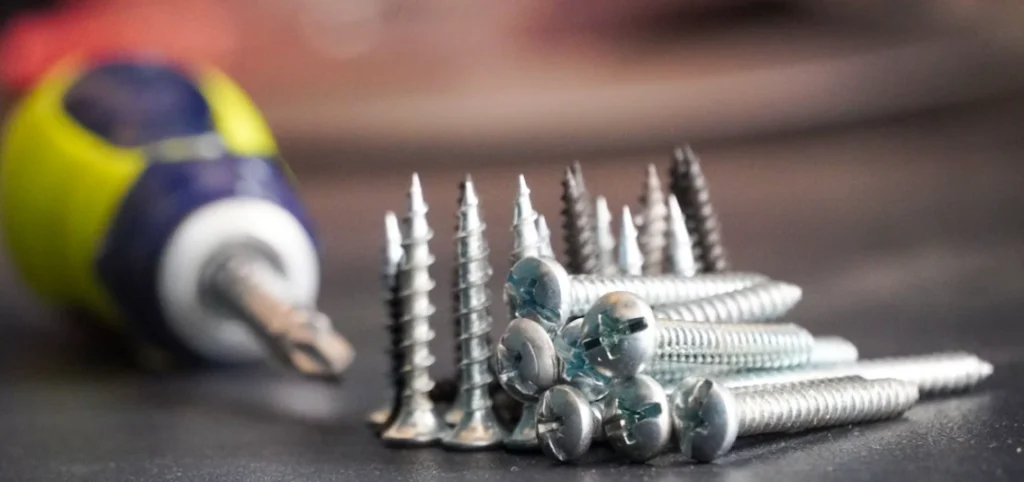
The thread shape matters a lot in how drywall screws work for strength. Screws with rough threads fit wood studs best. Their deep cuts grab into soft wood fibers well. Fine-thread kinds suit metal studs better. They slice into thin steel without messing up the holes. Deep threads boost the hold. They also lower the chance of screws pulling out when panels swell or shrink a bit from moisture. A steady thread spacing spreads out the pressure across the spot where it fastens. This stops too much force in one area that might cause breaks. Think about a busy kitchen wall—uneven stress could lead to cracks over time if threads aren’t right.
Compatibility with Drywall and Framing Materials
Drywall screws fit just right for gypsum boards and light frames like wood or thin steel. Their pointy tips go in easy without smashing the soft gypsum inside. That avoids crumbling near the screw top. The cone-shaped head lets the screw sit flat against the drywall face. It supports a even surface for taping and painting later. This match keeps your wall looking good and lined up straight. I’ve seen jobs where wrong screws tear the paper, making extra work to fix the mess.
How Do Drywall Screws Differ from Other Fasteners?
Lots of fasteners can join materials. But drywall screws shine because of their special shape and how they act. They focus on quick work, exact placement, and little harm to the surface. That’s not about raw power.
Comparison with Wood Screws and Deck Screws
Next to wood or deck screws, drywall ones have slimmer bodies and pointier ends. This makes going in quicker and neater. Their cone heads push pressure out evenly on the drywall cover. They don’t slice into it like flat tops might. Still, drywall screws aren’t for big heavy jobs. They work best for light setups where bend and smooth looks count more than pure might. For example, in a simple room build, they save time without overkill strength.
Differences Between Self-Tapping and Non-Self-Tapping Designs
Self-tapping drywall screws make their own paths in soft stuff like wood or thin metal studs. You don’t need to drill first. This cuts down setup time on big tasks. The other kind needs a small hole drilled ahead. But it gives more say-so when dealing with hard bases where care beats rush. Pick based on how firm the base is and how much turn you can use without ruining the threads. In tight spots, like retrofitting old walls, self-tapping saves headaches.
Advantages Over Nails in Structural Applications
Nails can come loose with shakes or heat moves. Drywall screws keep their hold steady. They cut down shakes passing between drywall layers and frame parts. That’s handy for quieting sound in inside walls. Each screw grabs on its own. It doesn’t rely just on rub. So, you line up panels more exactly as you put them on. Nails might work for rough frames, but screws feel more reliable for finished walls, especially in homes with kids running around.
What Factors Determine the Quality of Drywall Screws?
How well drywall screws hold up ties right to how they’re made. From picking materials to adding covers and cutting threads just so.
Material Grade and Manufacturing Standards
They often use high-carbon steel types. These give steady work under push while staying bendy to avoid snaps. Heat steps make them harder without losing give. Makers who follow ASTM rules promise sizes stay true batch after batch. So, each screw acts the same when you use it. Quality checks in factories catch bad ones early. This matters on job sites where one weak screw could mean rework.
Coating Types for Corrosion Protection
Phosphate layers fight rust well in rooms with some dampness. Zinc covers add more guard in wetter spots like wash areas or cellars. In beach towns or steamy rooms, special layers keep rust away for longer. They hold full strength even after long wet times. Pair them with wet-proof gypsum for full safety. I’ve used these in a bathroom reno, and they held up without spots years later.
Precision of Thread Cutting and Head Forming Processes
Machines roll threads even from start to end. That’s key when you drive many into one wall. Same head shapes pass turn better from tool to screw body. Your bit won’t slip as much. Checks spot flaws before they hit the site. This keeps the whole setup strong. Uniform parts mean fewer surprises during long installs.
Why Is Screw Length Critical in Structural Applications?
Picking the right length is more than just matching. It changes how your wall handles weight without giving way.
Correlation Between Length and Load-Bearing Capacity
Longer screws push weight further into frame parts. This builds up fight against pulls that make heads break through when panels move a touch over time. Good sink depth stops tops from popping out under pull or shakes. But screws too long can poke wires or pipes hidden in walls. That’s a real risk in updates if you don’t pick sizes with care. Always measure twice—I’ve learned that the hard way on a kitchen job.
Recommended Lengths for Different Drywall Thicknesses
For usual ½-inch drywall on wood studs, 1-inch screws do the job. They grab full without going too deep. Two-layer setups often call for 1¼-inch to 1⅝-inch sizes. It depends on full thick and how dense the stud is. Right lengths keep the hold while skipping over-push that hurts cover layers. In practice, sticking to these avoids most headaches.
Effects of Improper Screw Length on Structural Stability
A short screw might slip bit by bit from house shifts or heat changes. One too long could hurt fill layers or hit secret lines behind walls. Good size meets safety rules and gives a neat look after you seal joins. Wrong choices lead to fixes down the line, like in older homes where walls hide surprises.
How Does Screw Head Design Influence Installation Efficiency?
The top shape changes how easy it is to put in each piece. It also affects how tough your wall stays after you start the finish steps.
Bugle Head Design for Flush Finishing
The bugle top’s sloped form sinks right under the cover without ripping it. That’s great for adding mud later. It spreads the push force over a bigger spot. So, you don’t smash the gypsum below when you tighten. This leads to smoother walls with less patch work.
Drive Types Used in Professional Applications
Pros often pick Phillips turns. They give good turn hold with simple bit swaps on the job. Square turns gain fans too. They cut slip chance when using fast drills for repeat work. Bits with pull help by keeping screws in place. Even when you work up high on roofs. On big sites, these choices speed things up without frustration.
Impact of Head Geometry on Torque Transmission
Good top forms let turn pass steady from bit to body. This cuts strip risks in machine setups. Workers get better say over the job. That’s vital when you put in hundreds a day on wide areas. Consistent drive means fewer bad screws and quicker days.
When Should Specialized Drywall Screws Be Used?
Some places need special screw kinds for extra last beyond normal inside jobs.
Moisture‑Resistant Screws for Humid Environments
These have rust-proof layers that stop rust even after years in steamy spots like baths or cooking areas. They keep all strength despite steady wet. Use them with wet-safe gypsum for full guard systems. In humid climates, they’re a must—plain ones just don’t hold up.
Fire‑Resistant Screws for Safety Compliance
Fire-safe builds need fasteners that keep pull power at high heat. Fire-resistant drywall screws meet rules with heat-fixed metals. They get tested under strict codes. That’s key in shops where safety counts big. No shortcuts here for building codes.
Heavy‑Duty Screws for Ceiling or Multi‑Layer Installations
Ceiling jobs face down pull all the time. So heavy-duty ones have thicker bodies to hold many layers without droop later. Longer threads grab deeper into beams. This ensures steady top hold even after long use. For tall ceilings in offices, these prevent sags that annoy everyone below.
How Can Proper Installation Techniques Enhance Structural Integrity?
Top screws fail if you put them in wrong. Spacing, sink control, and tool picks all shape the end strength.
Optimal Spacing Patterns for Load Distribution
Rules say space screws every 12 inches on ceiling beams and 16 inches on wall posts. This balances firm with smart use of stuff. Tighter gaps add stiff but cost more. Use closer in shake spots like stairs where bumps happen often. In homes with active families, this spacing cuts noise and wobbles.
Correct Driving Depth to Prevent Damage
Screw tops should dip a bit under the cover. Not so deep it rips, not sticking out to mess with mud later. Too deep crushes the inside and weakens hold. Too shallow leaves bumps that need sand before paint. Getting this right saves time and looks pro.
Use of Power Tools for Consistent Results
Drills with turn limits keep force even no matter how tired you get late in the day. Depth tools stop spin once you hit the mark. They avoid cover rips by auto-stop. This cuts time and keeps looks the same across rooms. On large renos, these tools make the difference between good and great work.
FAQ
Q1: What makes drywall screws different from regular wood screws?
A: Drywall screws have thinner shafts, sharper tips, and bugle heads designed specifically for gypsum panels rather than dense lumber applications.
Q2: Can I use drywall screws outdoors?
A: Standard black phosphate-coated types aren’t suitable outdoors; zinc-plated or specialty-coated versions resist corrosion better in exterior conditions.
Q3: Why do some drywall screws strip easily?
A: Stripping often happens when torque exceeds what the head design can handle—using square drives reduces this risk significantly compared to Phillips heads at high speed.
Q4: How far should I space drywall screws apart?
A: Typically 12 inches apart on ceilings where gravity acts downward continuously and 16 inches apart along vertical wall studs provides balanced support distribution.
Q5: Are longer drywall screws always stronger?
A: Not necessarily; excessive length may penetrate hidden utilities behind walls while offering no additional holding benefit once proper embedment depth is achieved within framing material.