
Why Are Bosch Power Tools Leading the Charge at World of Concrete
Why Are Bosch Power Tools Dominating the World of Concrete 2026?
Bosch Power Tools has always set a high standard for new ideas and strong work in the building field. At the World of Concrete 2026, the company grabbed everyone’s notice once more. The show highlighted Bosch’s strong push to improve tool shapes, add smart tech, and make things better for users. For workers handling concrete, these changes go beyond simple better tools. They point to a big move toward job sites that are clever, safer, and quicker. I remember watching a demo there, and it felt like these tools could really change how a crew finishes a big pour in half the time.
Innovative Product Offerings
Bosch brought out fresh tools in three new groups at this year’s show. This move shows a large growth in its range of products. Each group fixes a key problem for builders. Think heavy drilling, exact cutting, and readying surfaces. The firm’s experts added top safety setups and motors that work well. These give steady power even in tough spots. So, they cut down on wait times. Plus, they raise exactness right on the site.
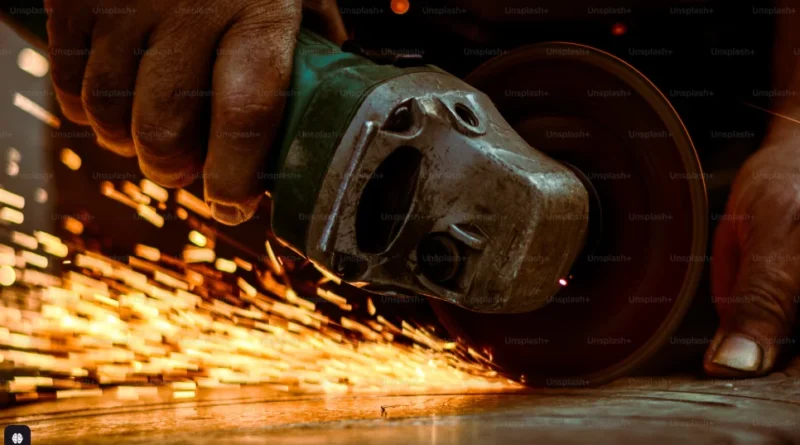
The fresh looks also fit special job needs. Take Bosch’s battery-powered concrete grinders, for instance. They now have speed changes that fit the job. The tool shifts its pull based on how thick the stuff is. This tech raises output. It also cuts tiredness for the person using it over many hours. Bosch isn’t just making tools anymore. It’s changing the way pros work with them. In one talk at the event, a contractor shared how this saved his team from switching tools mid-job, which happens a lot with older gear.
How Do Bosch’s New Launches Impact Industry Standards?
Bosch’s recent releases are changing what workers want from power tools in speed and steadiness. The firm’s way of doing things skips small fixes. Instead, it makes whole new levels for toughness, good use of power, and sharp work in every part.
Setting New Benchmarks in Tool Performance
The new Bosch set beats today’s building measures. It mixes motors without brushes that save energy with better ways to cool down. This makes tools last longer in action. Builders who need steady pull will see less slowing when cutting through strong stuff. Better toughness means less buying new ones. That saves money on big jobs. For example, on a site with rebar walls, these tools kept going without a hitch, unlike some brands that bog down after 20 minutes.
By adding new ways to cut shakes and check issues as they happen, Bosch is changing quality rules in the area. These parts keep the user safe. They also make the tool last more. Every pro likes that when buying top gear. It’s like having a reliable buddy on the site that doesn’t quit when things get rough.
What Makes Bosch Power Tools Stand Out at World of Concrete?
In a show full of fights from big names, Bosch stood out with smart placing of products and aimed selling plans. These connected right with main buyer groups.
Strategic Product Positioning
Bosch aimed at giving fixes made for different jobs. Stone workers, road builders, and concrete smoothers each got tools for their steps. The selling plan stressed real try-outs over just showing them still. Users could feel the real pluses of the new tech up close.
Team-ups with top building companies raised the brand’s see at the event. By matching product making with true site comments from these friends, Bosch showed it can guess what markets want first. This forward way keeps the brand in front of others. Those rivals often just follow instead of guide. One partnership demo even let folks test on mock concrete slabs, and the crowd loved how smooth it ran.
How Does Bosch Ensure Tool Durability and Reliability?
Toughness has been key to Bosch’s good name among workers who use tools every day. The company puts lots of money into study to find stuff and build ways that make tools last in hard spots.
Advanced Engineering Techniques
New metals and strong covers now make up many fresh models. These fight rust and hits much better than old ones. Hard tests copy years of site work in safe rooms. They make sure every tool works the same when it leaves the plant.
Smart build picks, like closed parts that turn and easy-swap pieces, slow down wear. They also make fixes simpler. So, users face less breaks. And when fixes happen, they go fast. Picture a rainy site where tools get banged around— these hold up without a scratch, based on what I’ve heard from field guys.
Why Is Bosch Focusing on User-Centric Design?
In this busy field today, even the strongest tool needs to feel good in hand. Bosch knows that easy hold shapes affect safety and speed on site.
Enhancing User Experience Through Ergonomics
Handles shaped for real hand holds cut strain in long work. Light mix stuff makes big tools easy to move. They keep power and steady without loss. These small changes look small alone. But together, they change how fast jobs get done in a day.
Comments from skilled workers help fine-tune each new batch. By adding ideas from pros into early test models, Bosch makes sure every tweak helps in real work. Not just for looks. It’s practical all the way. A finisher told me once how the grip on these stopped his wrist from aching after eight hours straight.
What Role Does Technology Play in Bosch’s New Tools?
Tech isn’t extra anymore. It’s a main part of how modern power tools work and stay in shape. Bosch has jumped into this full on with smart adds in its latest set.
Integration of Smart Features in Tools
Sense parts in some models watch load all the time. They change motor work to stop too hot or too much weight. Link parts let you check from phone apps. Bosses can see how tools get used over many sites at once.
Info from these linked tools gives good views on when to fix ahead. This helps skip surprise stops. It also makes gear last longer. For managers with many tools, even hundreds, this tech side adds real worth past just the machine part. On a multi-site project, one manager said it cut surprise fixes by 30%, which kept schedules on track.
How Is Bosch Addressing Environmental Concerns?
Green ways matter a lot now for makers everywhere. This is true in heavy fields like building gear making.
Commitment to Sustainable Manufacturing Practices
Bosch has taken big steps to make things earth-friendly. They use old metals and plastics again in lines where they can. Power-saving builds cut use in work and rest times. This lowers bad air marks without losing skill or steady.
Plans to take back old tools push right end or part save. This is what green buyers want from sellers in their chains. It’s a small thing, but in big projects, it adds up to real change, like reducing waste on sites by reusing bits.
FAQ
Q1: What are the three new categories introduced by Bosch at World of Concrete 2026?
A: They include advanced cordless systems for concrete work, high-performance surface finishing tools, and next-generation drilling solutions designed for heavy-duty applications. These really fill gaps that pros have talked about for years.
Q2: How do smart sensors improve tool performance?
A: Smart sensors monitor operating conditions in real time and adjust power output automatically to maintain efficiency while preventing damage from overloads or overheating. It’s like having a built-in watchdog that keeps everything running smooth.
Q3: What makes Bosch’s ergonomic designs different?
A: Each design is based on extensive field testing with professionals to minimize fatigue through balanced weight distribution and natural hand positioning during extended use. Pros swear by it after trying knockoffs that feel off.
Q4: How does Bosch contribute to environmental sustainability?
A: The company uses recycled materials in manufacturing processes and promotes energy-efficient designs alongside recycling initiatives for used tools. This fits right into what sites need for green certs these days.
Q5: Why are durability tests important for professional-grade tools?
A: Rigorous testing replicates years of heavy use within controlled settings ensuring consistent reliability before products reach customers who depend on them daily. Without it, you’d see tools fail at the worst moments, like during a tight deadline.


