Is the Electric Drill Technology in Sandvik’s All-Electric Commando Rig Redefining Efficiency
Sandvik Unveils All-Electric Commando Drill Rig
Sandvik’s all-electric Commando drill rig marks a turning point in surface drilling technology. It merges the proven durability of the Commando series with a fully electrified drivetrain, cutting emissions and improving precision. The rig eliminates diesel use, offers near-silent operation, and integrates digital control systems that adapt torque and speed to rock conditions. For mining and construction operators, this means lower total ownership costs and compliance with tightening environmental standards—without compromising drilling power or reliability.
Overview Of Sandvik’s All-Electric Commando Drill Rig
The new generation of the Commando series symbolizes Sandvik’s shift from fuel-driven to energy-efficient electric systems. This evolution reflects both market demand for cleaner operations and the company’s long-term sustainability roadmap.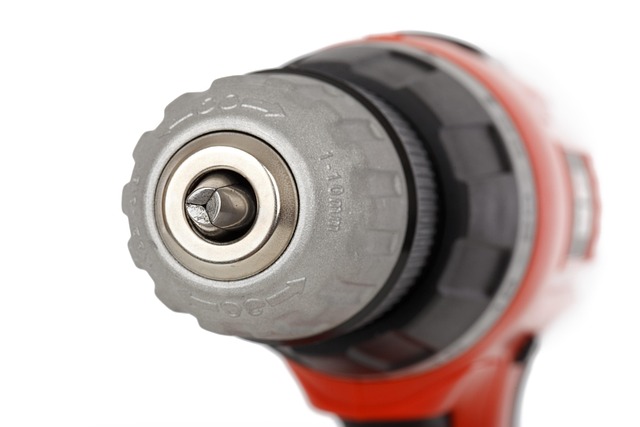
Evolution Of The Commando Series
Since its introduction in the 1980s, the Commando line has been known for compactness and versatility in surface drilling. Over decades, hydraulic precision improved through better pump control and automation. The latest milestone replaces combustion engines with high-efficiency electric motors, reducing maintenance cycles while maintaining output power.
Transition From Hydraulic And Diesel-Powered Systems To Electric Platforms
Hydraulic systems once dominated due to their torque density, but they generated heat losses and required frequent service. Electric platforms now deliver smoother torque curves and faster response times. This change also simplifies system architecture—fewer hoses, no oil leaks, reduced vibration—which directly benefits operators working long shifts underground.
Strategic Motivations Behind Electrification In Drilling Equipment
Electrification answers both environmental regulation and operational economics. Mining firms face pressure to decarbonize; electric rigs remove tailpipe emissions entirely. At the same time, electricity cost per kWh remains lower than diesel equivalents in most markets, making the transition financially attractive.
The Electric Drill Technology: Engineering Foundations
The engineering behind this rig demonstrates how energy storage, drive control, and mechanical design converge to create efficient drilling performance under harsh conditions.
Architecture Of The Electric Drivetrain
The core drivetrain uses permanent magnet motors controlled by variable frequency drives linked to lithium-ion battery packs. These replace traditional hydraulic pumps with direct electric actuators that improve torque accuracy at microsecond intervals. Mechanical reliability rises because there are fewer friction points and no fluid degradation over time.
Power Management And Energy Recovery Systems
Regenerative braking captures kinetic energy during bit retraction or rotation slowdown phases. This recovered energy recharges onboard batteries, extending runtime between charges. Advanced battery management software balances cell voltage for consistent discharge rates even under fluctuating load profiles typical in rock drilling.
Operational Efficiency Redefined Through Electrification
Beyond clean operation, electrification alters performance metrics across uptime, noise levels, and productivity consistency.
Comparative Performance Metrics: Electric vs Conventional Rigs
Field data show electric rigs consume up to 40% less energy per drilled meter compared with diesel models due to reduced idle losses. Heat rejection is minimal since electric drives convert more input power directly into mechanical work rather than waste heat.
Noise, Vibration, And Operator Comfort Improvements
Electric actuation cuts vibration amplitude by nearly half compared with hydraulic setups. Operators report less fatigue during repetitive cycles thanks to quieter cabins—an important factor in underground mines where acoustic reflection amplifies engine noise.
Digital Integration And Automation Synergies
Digitalization transforms the electric drill into a smart machine capable of learning from its own performance data.
Advanced Control Systems In Electric Drilling Platforms
Embedded controllers adjust motor torque dynamically based on real-time feedback from rock sensors. Predictive maintenance algorithms monitor bearing temperatures and current draw patterns to schedule service before failure occurs. Remote connectivity allows centralized supervision of multiple rigs via secure networks.
Data Analytics Driving Process Optimization
Continuous data streams feed into AI models that identify optimal drilling parameters for each rock formation type. Over time these models refine themselves, improving penetration rates while minimizing tool wear—a tangible productivity gain across large projects.
Environmental And Sustainability Dimensions
Sustainability is not an abstract goal here; it directly translates into measurable site-level improvements in air quality and carbon intensity.
Emission Reduction Impact Across Operations
Switching from diesel eliminates CO₂ emissions at point of use entirely. For underground operations this also removes nitrogen oxide buildup risks and reduces ventilation demand by up to 20%, lowering auxiliary power needs for fans.
Water Usage, Cooling, And Potential Chlorine Interactions
Water plays a dual role—cooling components while managing dust suppression around drill bits.
Water-Cooling Mechanisms In Electric Drills
Cooling channels circulate water through motor housings and bit assemblies where frictional heat peaks. Flow sensors regulate volume precisely so neither overheating nor excessive consumption occurs during continuous operation cycles.
Evaluating Chlorine Presence In Water Systems
Chlorine-treated water can corrode metal parts if unmanaged over time. Protective coatings like nickel-chrome plating or stainless alloys mitigate such effects effectively. Regular monitoring of water chlorine concentration ensures corrosion remains within acceptable limits without compromising cooling efficiency for electric drill components.
Economic Considerations In Adopting Electric Drill Technology
While initial investment may appear higher, lifecycle economics favor electrics once total running hours are considered.
Capital Investment Versus Lifecycle Cost Analysis
Procurement costs include batteries and charging infrastructure but offset through savings on fuel logistics and engine maintenance. Over a five-year horizon many operators report payback periods under three years depending on duty cycle intensity.
Return On Investment Through Productivity Gains
Instant torque availability shortens each drilling cycle by several seconds—a small number that accumulates across thousands of holes per month into meaningful throughput gains. Reduced downtime further boosts asset utilization ratios across fleets operating multiple rigs simultaneously.
Future Directions For Sandvik’s Electric Drilling Innovations
Electric mobility in heavy equipment continues evolving rapidly as energy storage technology matures and automation expands its reach underground.
Emerging Trends In Electrified Mining Equipment
Next-generation fleets will integrate autonomous navigation modules allowing coordinated multi-rig operations powered entirely by renewable-sourced electricity on-site microgrids—a vision several pilot mines already pursue globally.
Research Pathways Enhancing Electric Drill Performance
Upcoming research focuses on solid-state batteries offering higher temperature tolerance and longer lifespans than current lithium chemistries. Material science advances aim at self-lubricating composites reducing wear in moving joints exposed to abrasive dust environments common in open-pit sites.
FAQ
Q1: What distinguishes Sandvik’s all-electric Commando drill rig from hybrid models?
A: It operates solely on electrical power without any onboard combustion engine or hydraulic drive assistance.
Q2: How does the electric drill manage heat during prolonged operation?
A: A closed-loop water-cooling system regulates temperature using sensor-controlled flow through motor casings and bit assemblies.
Q3: Does water chlorine affect the rig’s cooling system?
A: High chlorine levels can cause corrosion; therefore treated water quality is monitored regularly to protect metal surfaces inside circuits.
Q4: How long can the rig operate on a single charge?
A: Runtime varies by load but typically covers a full shift under moderate drilling intensity before recharge is needed.
Q5: Are there plans for autonomous versions of this electric drill?
A: Yes, future iterations will integrate autonomous control modules enabling remote or fully automated operation within connected mine networks.


