

What Are the Main Types of Pliers and How Do They Differ in Function
What Are the Primary Categories of Pliers Used in Professional Work?
Jobs in the trades call for careful work, solid grip, and tools that last. In this mix, the various types of pliers show up as must-have items in fields like electrical work and mechanical building. Every group has its main job. Still, plenty of them can handle extra tasks too. The build and aim of each kind decide how well you hold, snip, or shape different stuff. Take a look at how these tools fit into real daily use. Sometimes, a simple pair can fix a quick problem on site.
General Purpose Pliers for Versatile Applications
General-purpose pliers make up the core of many tool boxes. Combination pliers and slip-joint pliers fit right in this category. They grab, twist, and clip things without much hassle. The jaws that adjust open and close help deal with stuff in all sorts of sizes. This comes in handy for jobs like pulling a bolt tight or curving a piece of wire. Shops and building areas see these tools in action every single day. Their ability to switch roles keeps things moving. You could watch a worker hold onto a flat piece of metal one second. The next, he snips some soft copper wire. All with the same tool. That kind of switch saves hours over a long day. In my experience from site visits, these pliers often get the most wear because they’re so handy.
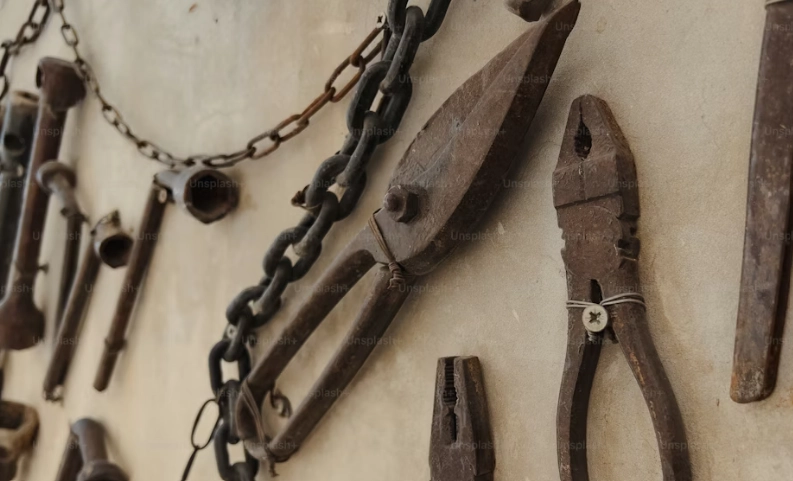
Cutting Pliers Designed for Precision and Strength
Cutting pliers aim mainly at neat splits. They don’t focus as much on holding tight. Diagonal cutters and end-cutting pliers come with toughened blades. These keep their edge sharp even after you use them over and over on hard items such as steel wire or small pins. Electricians turn to diagonal cutters quite a bit. The reason? They make clean slices that don’t tear the wire covering. For detailed metal shaping or putting together jewelry, end-cutting pliers let you cut right up close to the base. And they avoid hurting the parts around it. Picture an electrician in a tight panel. He uses these to trim a wire end without sparks or mess. It’s a small tool, but it prevents big headaches.
Specialty Pliers Tailored for Specific Tasks
Specialty pliers tackle odd jobs where everyday ones just won’t do. Locking pliers grip an item with steady squeeze until you let them go by hand. This proves helpful in welding tasks or when you bolt things down and need your hands free for other steps. Needle-nose pliers do great in cramped spots. There, you need to place tiny parts exactly right. This happens in building circuit boards or fixing watches. Then there are circlip pliers. They serve as a special tool for putting in or pulling out retaining rings during machine upkeep. In a garage, I’ve seen mechanics swear by circlip pliers for engine jobs. They save time compared to makeshift fixes with screwdrivers.
How Do the Jaw Designs of Pliers Influence Their Functionality?
The way jaws are shaped really sets what different types of pliers can do when you put force on them. The bend, rough feel, and tilt all play into how strong the hold is. They also shape control over all kinds of forms and materials. Jaws aren’t just flat metal. They adapt to the task at hand.
Flat Jaws for Secure Gripping of Flat Surfaces
Flat jaws offer firm touch points for even pieces like metal sheets or supports. They cut back on slides when you add turning force. This helps a lot in lining things up on production lines. Or in tweaking machine parts. The squeeze spreads out nice and even over the whole area. That means lower odds of scratching soft coatings. In assembly work, these jaws hold a bracket steady for minutes without shifting. It’s like they were made for that exact spot.
Curved or Serrated Jaws for Enhanced Holding Power
Curved jaws build up more rub by curving around tube-like things such as pipes or bars. The toothed lines add even better stick by nipping into the outside a touch. They do this without real harm if you handle them with care. You’ll find this setup in pipe tools often. There, keeping a solid grab on wet connectors counts big time. Car fixers pick toothed jaws too. They use them to free up rusted bolts. This stops slips when you crank hard. On a rainy day job, these jaws turned a stuck lug nut loose in seconds. Without them, it might have taken a whole hammer session.
Long-Nose Jaws for Access to Confined Spaces
Long-nose jaws sport a slim shape. This gets them into places that chunkier tools can’t reach. They let you handle wires inside connection boxes just so. Or in detailed setups with not much room to move. Jewelers and gadget experts count on long-nose pliers. They twist wire tips or pull out little bits stuck in narrow spots. Think of a repair tech fishing a screw from behind a circuit. These jaws make it possible without taking everything apart.
Why Do Handle Designs Differ Among Various Types of Pliers?
Handle setup has a big hand in ease, protection, and passing along push. Workers pick handle kinds by how long they hold them and the work surroundings. Looks don’t enter into it much.
Ergonomic Handles for Comfort and Reduced Fatigue
Ergonomic handles have curved holds that match your palm well. They ease the pull on muscles in jobs that repeat the same moves. A coating that grips even when slippery keeps you in charge. Your hands get greasy or damp a lot in factory spots with oil from machines. These handles feel right after gripping for hours. But sometimes, if they’re too cushy, they wear out faster in rough use.
Insulated Handles for Electrical Safety Standards
Insulated handles are not a choice for electricians. They are key to staying safe. These meet hard safety checks like VDE or IEC rules. The handles guard against shocks from set power amounts. At the same time, they give a sure hold in wire setups or fixing powered lines. In a busy shop, one zap can end a shift early. These handles keep that from happening.
Extended Handles for Greater Leverage and Force Application
Extended handles boost the pull you get. So you put more turn with less body strain. For snipping fat wires or pulling tight screws, longer handles cut tiredness. They also speed up the work. This gives a real edge in big machine fixes where push trumps skill. A worker might handle a 10-foot cable bundle easier with these. Short ones just don’t cut it there.
In What Ways Do Material Compositions Affect Pliers’ Performance?
What the tool is made from sets its lasting power. It also fights off scrapes and rust. These matter a ton for how long the tool holds up in tough spots. Materials aren’t all the same. Some shine in wet areas, others in dry heat.
High Carbon Steel for Durability and Hardness Retention
High carbon steel stays a favorite pick. It keeps the blade keen under lots of pull and push. It fights shape changes even in strong squeeze jobs. These pop up often in factory settings where you can count on them. After 500 cuts, they still bite like new. That’s from years of shop testing.
Chrome Vanadium Steel for Corrosion Resistance and Strength Balance
Chrome vanadium steel hits a good mix of hard and give under weight. The chrome cover adds fight against wet air rust. This counts if you leave tools out or work by the sea. Boat yards love these for that reason. They last through salty sprays without pitting.
Alloy Steel with Specialized Coatings for Enhanced Performance
Fresh alloy steels usually pack nickel or black oxide covers. These build up scrap resistance. They also ease rub at the turn spot between parts. The pair makes moves smoother as time goes on. This helps top-notch pliers in plane building lines. There, each twist has to count. In clean rooms, these coatings keep dust from gumming things up. A small plus, but it adds up over shifts.
How Are Different Types of Cutting Edges Classified in Pliers Design?
The shape of the cutting edge tells how well a set of pliers chops stuff without bending it. Workers sort edges by the needed smooth finish and how hard the material is. Edges vary from fine to brute force. Each has its place in the toolkit.
Flush Cutters for Clean Finishing Work
Flush cutters make level ends without rough edges. This is key when you clip wires near join points in gadget circuits. Or when you wrap up jewelry bits where looks match up with right measure. But you have to keep the blades straight. A tiny off can wear them down quick. In a hobby shop, these cutters turned a messy wire job into a pro finish. Took practice, though.
Semi-Flush Cutters Balancing Durability with Precision
Semi-flush cutters find a middle ground between keen and long wear. They leave just a bit sticking out after a chop. Yet they take thicker wires better than slim flush ones. Tech workers like them for steady line jobs. They want tidy cuts and tools that stick around. During office network setups, these handle 20-gauge lines all day without dulling much.
Heavy-Duty Cutters Built for Industrial Use
Heavy-duty cutters have beefed-up jaws. They chew through tough metals like piano wire or fat car lines with no sweat. These put power first over pretty looks. That’s okay on build sites where fast beats fancy. Crews use them to slice 1/4-inch steel rods in a flash. Speed keeps projects on track, even if ends look rough.
What Are the Key Differences Between Locking, Adjustable, and Fixed Pliers?
Each setup meets separate work needs. Like steady versus bendy versus spot-on line. All this changes how workers weave them into everyday flows. No one type rules all. It depends on the job’s twist.
Locking Pliers Offering Secure Grip Under Pressure
Locking pliers pack a click setup. It holds the squeeze force until you free it by hand. This lets you go hands-free in weld arrangements or bolt steps that need even push over minutes. In a fab shop, these hold a frame part while glue sets. Handy when you’re solo.
Adjustable Pliers Providing Versatility Across Sizes
Adjustable setups such as slip-joint or groove-joint let you tweak jaw space quick. This fits varied forms without tool hops mid-job. It’s a real help when you service mixed machine parts all day long. A plumber might adjust for a 1-inch pipe then a half-size fitting. Smooth switch keeps the flow going.
Fixed Pliers Delivering Stability and Precision Alignment
Fixed-jaw kinds keep lines dead on. This fits check-tight jobs like lab fixes for tools. There, same results top bendy choices. In a calibration room, these align pins to 0.01 inches every pull. Precision wins over all.
How Should Professionals Select the Right Type of Pliers for Their Tasks?
Getting the right pick from loads of types of pliers means checking tech needs and ease points that hit output over work periods. Selection isn’t random. It builds better days on the job.
Matching Tool Design to Application Requirements
Before you grab any kind, check the jaw shape against the stuff’s form. Factor in how much you’ll use it too. This skips early scrap and keeps work spot-on in repeat runs. For round pipes, curved jaws beat flat ones hands down.
Evaluating Build Quality and Manufacturer Standards
Look over hinge flow, even heat work, and handle safety hold. Stick with makers who follow known world rules. They back safe steps and steady results over years. Check for smooth action; a sticky hinge ruins a good tool fast.
Maintaining Tools Through Proper Care Practices
Regular wipe-down stops rust piles. A touch of oil at turn spots keeps moves loose. Keep them in dry spots to stretch out their days. This holds steady lines key in fine jobs like gadget builds. Neglect it after a wet week, and rust creeps in overnight. Simple habits pay off big.
FAQ
Q1: What makes combination pliers different from other general-purpose types?
A: Combination pliers blend hold spots with clip blades. So you twist wires and snip them in one smooth go. No need to swap midway.
Q2: Why do some professionals prefer chrome vanadium steel over carbon steel?
A: Chrome vanadium stands up better to rust. It mixes hard and springy sides well. Plain carbon steel spots rust quicker without steady care.
Q3: When should insulated-handled pliers be used?
A: Grab insulated-handled models for any spot near powered lines. They block shock risks up to set power marks from safety groups like VDE.
Q4: Are locking pliers suitable for delicate assembly work?
A: Mostly no. Their firm steady squeeze can warp soft bits. Needle-nose kinds give better feel for light touches instead.
Q5: How often should professional-grade pliers be lubricated?
A: Dab oil every couple weeks or so. Do it faster if wet hits often. This keeps turns easy and holds off early rub damage at joints.


