

Was The Pruning Saw In The Madison Attack A Legal Self Defense Tool
Woman Attacked With Pruning Saw in Madison Fight
The Madison altercation involving a pruning saw has reignited debate over how everyday tools are treated under self-defense laws. While the tool’s primary design is for horticultural use, its involvement in a violent encounter raises complex legal and ethical questions. The key issue centers on whether the tool’s use was defensive or aggressive, and whether the force applied was proportionate to the threat faced. This article examines the legal framework governing self-defense tools, the classification of a pruning saw under weapon laws, and how courts interpret similar incidents across jurisdictions.
Legal Framework Surrounding Self-Defense Tools
Legal systems worldwide recognize that context defines whether an object becomes a weapon. Before examining specific tools like a pruning saw, it is essential to clarify how intent and situational context shape legality.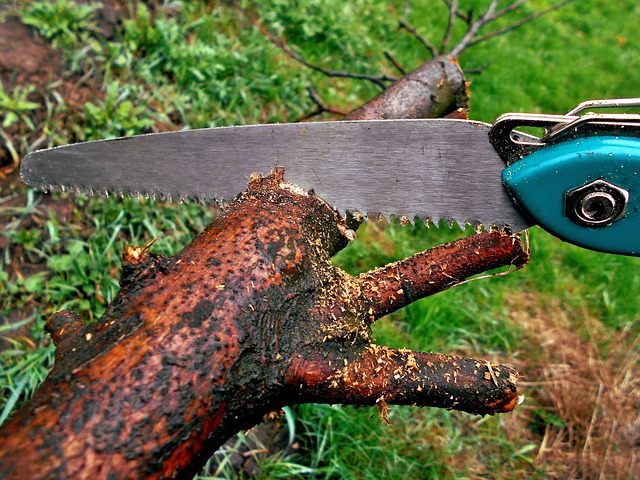
Understanding the Definition of a Legal Self-Defense Tool
A self-defense tool’s legal classification depends heavily on intent, context, and jurisdiction. Courts often determine legality by assessing whether an individual acted under imminent threat or with premeditated aggression. For instance, a kitchen knife used to deter an attacker differs legally from one carried for assault purposes. Everyday objects can become lawful defensive instruments when used spontaneously to protect against immediate harm. Jurisdictions also distinguish between possession for personal safety and possession with intent to harm, which directly impacts criminal liability.
Federal and State-Level Regulations on Defensive Weapons
At the federal level, regulations set broad standards but leave detailed definitions to state law. Each state determines which implements are permissible for self-defense based on their potential lethality or design intent. Some states restrict items like batons or certain blades due to their association with offensive use rather than utility work. Courts consistently evaluate proportionality—the balance between threat faced and force applied—to decide if an act qualifies as lawful defense. This proportionality test remains central in both criminal trials and civil liability assessments following violent incidents.
The Pruning Saw: Characteristics and Intended Use
The pruning saw’s role in this case highlights how tools designed for work can be misinterpreted when used outside professional contexts. Understanding its technical purpose clarifies why its classification as a weapon is not straightforward.
Design and Function of a Pruning Saw
A pruning saw is primarily engineered for cutting branches during horticultural maintenance. Its serrated blade is optimized for wood fibers rather than human tissue, making it efficient in landscaping but unsuitable for personal defense applications. Portable folding models are favored among arborists and landscapers due to safety and portability advantages. These design features underscore that its intended purpose is purely utilitarian, not combative.
Classification of a Pruning Saw Under Weapon Laws
Legally, a pruning saw falls under the category of tools rather than weapons. However, its classification can shift depending on how it is carried or employed during an incident. If found concealed or brandished during confrontation, authorities may interpret possession as suspicious or threatening. Jurisdictions often assess whether carrying such a tool was reasonable given time, place, and occupational necessity—for example, whether the person was en route to work or using it outside any professional context.
Analysis of the Madison Incident Context
The Madison case illustrates how investigators dissect events to determine justification in self-defense claims involving unconventional objects like pruning saws.
Assessing the Circumstances of Use
Investigators examine whether there was an immediate threat to personal safety at the moment of use. Evidence such as witness testimony, surveillance footage, and injury patterns helps reconstruct motive and sequence of actions. The individual’s intent—whether defensive or aggressive—plays a decisive role in shaping legal interpretation. A spontaneous reaction under duress may be viewed more leniently than deliberate escalation using a sharp-edged object.
Evaluating Proportionality of Force in Self-Defense Claims
Proportionality remains pivotal in evaluating self-defense cases involving sharp tools. Using a serrated blade like a pruning saw could be deemed excessive if lesser means of protection were available or if retreat was possible without harm. Courts analyze both subjective fear and objective reasonableness: would another person in similar circumstances have acted similarly? When evidence shows disproportionate injury relative to threat level, claims of lawful defense often weaken significantly.
Legal Precedents Involving Improvised Defensive Tools
Historical court rulings demonstrate that improvised weapons occupy a gray area between lawful defense and unlawful aggression.
Historical Treatment of Non-Traditional Weapons in Court Cases
Courts have previously examined objects such as screwdrivers, hammers, or kitchen knives used defensively during assaults. Outcomes vary widely depending on situational urgency and perceived necessity of action. Precedents emphasize reasonableness over original function; thus, even innocuous items may be judged harshly if applied with unnecessary force. This nuanced approach reflects courts’ effort to balance public safety with individual rights to protection.
Factors Influencing Judicial Decisions in Similar Incidents
Judicial outcomes hinge on multiple factors beyond mere object type. The aggressor’s conduct—verbal threats, physical advances—often dictates whether defensive action appears justified. Additionally, courts assess the defender’s background and situational awareness: Was there training that implied controlled response capability? Did panic override judgment? Public safety concerns also weigh heavily; judges aim to discourage casual weaponization of everyday tools while preserving legitimate self-protection rights.
Ethical and Practical Considerations for Professionals Handling Sharp Tools
Professionals who routinely carry sharp implements face unique responsibilities when transporting them through public spaces or responding to emergencies.
Responsibilities When Carrying Work Tools in Public Spaces
Workers should transport sharp tools like pruning saws securely within protective sheaths or toolboxes to prevent accidental injury or public alarm. Awareness of local carriage laws ensures compliance with both occupational safety standards and municipal regulations. Demonstrating responsible storage not only prevents misuse but also signals lawful intent if questioned by authorities during inspections or incidents.
Training and Safety Protocols for Tool Use Outside Work Contexts
Regular participation in workplace safety training reduces risks associated with carrying sharp instruments beyond job sites. In emergencies where defensive use occurs, clear communication with law enforcement afterward helps establish credibility regarding motive and necessity. Maintaining documentation—such as employment records or project logs—can substantiate claims that possession served professional rather than aggressive purposes.
FAQ
Q1: Can carrying a pruning saw be considered illegal?
A: Generally no; it is classified as a work tool unless carried with intent to harm or used offensively during confrontation.
Q2: How do courts decide if using a work tool counts as self-defense?
A: They examine immediacy of threat, proportionality of response, available alternatives like retreat, and overall reasonableness under pressure.
Q3: Are there federal restrictions on carrying sharp tools publicly?
A: Federal law sets minimal limits; most regulations occur at state level based on local interpretations of concealed carry statutes.
Q4: What should professionals do after using such tools defensively?
A: Contact law enforcement promptly, provide factual accounts without speculation, present work credentials proving legitimate possession purpose.
Q5: Could training influence court perception in these cases?
A: Yes; formal safety training indicates awareness of proper handling standards and may support claims that actions were measured rather than reckless.


