

What Role Do Sturdy Table Legs Play in Achieving Perfect Work Surface Balance
Why Are Sturdy Table Legs Essential for Work Surface Stability?
A solid work surface relies a lot on the build and design of its table legs. People use these in shops, offices, or labs. Sturdy legs stop shaking, bad weight spread, and early damage to the top. Good leg setup turns a basic flat piece into a dependable spot that handles still and moving weights without issues. I remember once in a small workshop, a wobbly table caused tools to slip, and that was a real hassle to fix.
Structural Integrity and Load Distribution
Top-notch table legs spread weight evenly over the whole frame. This cuts down on weak spots that might break the structure. Strong joints and tough materials hold the table firm even with big loads, like machines or piled-up gear. Even support lasts longer for the top and cuts down on fixes needed. In work spots with exact tools or delicate gear, a little shake can mess up how well things work. For example, in a lab, steady legs mean measurements stay true.
Material Strength and Durability
The toughness of stuff like steel, cast iron, or solid hardwood shows how well table legs fight bending or twisting as time goes on. Steel gives top firmness for factory jobs. Solid wood adds both toughness and a cozy feel to office spaces. Coatings that fight rust, such as powder finishes, guard metal legs in damp or chemical areas. How thick the material is also helps soak up shakes—a big deal when using gear that makes noise or moves. Think about a busy garage; those legs take a beating daily.
Design Geometry and Weight Balance
The shape of leg design decides how pushes flow through the build. Cross-bracing boosts side steadiness by linking opposite frame sides. This stops side-to-side sway when pressure hits from the side. Tapered forms cut extra weight but keep power at key spots. Broader bases spread weight better on bumpy floors. This lessens rocking. Exact angles make the setup resist twisting. So, even when shifting heavy stuff, the table stays planted. In real life, I’ve seen wider bases save the day on old wooden floors.
How Do Table Leg Materials Influence Performance and Stability?
Picking materials matters a ton in how your table holds up under pressure. Each kind—metal, wood, or mix—brings its own perks for certain jobs.
Metal Table Legs for Industrial Strength
Folks pick steel legs for their great pull strength and long life in tough spots like shops or labs. They hold heavy weights without bending. Aluminum gives a lighter pick that’s great for movable setups, such as rolling workbenches or height-changing desks. Powder coating fights rust well and adds a nice look for today’s rooms.
Wooden Table Legs for Aesthetic and Functional Balance
Hardwoods like oak, maple, and walnut mix nice looks with good weight-holding power. When sealed right, they fight water take-up that could weaken joins over years. How the wood grain runs changes both the style and build strength. Straight grain lines boost power along push paths. For workers wanting old-style skill and solid work, hardwood legs stay a classic pick. In an office I know, oak legs held up for over a decade with just basic care.
Composite and Adjustable Materials for Versatility
Made-up mixes blend light build with good firmness. These often have strong plastics or fiber insides that act like metal power without the extra heaviness. Height-change parts in these legs let you tweak the level—a must in shared work areas. They keep balance with firm lock setups. Some mixed types put metal insides in wood frames. This gets both warm looks and factory-level hold. It’s handy for spots that change often, like team projects.
What Design Factors Affect the Balance of a Work Surface?
Even with strong stuff, how you set up the design rules the full steadiness. Right leg spots, safe links, and good floor touch all help balance in different jobs. Sometimes, folks overlook floor type, but it makes a difference.
Leg Placement and Spacing Configuration
Even spacing cuts tip chances by spreading pushes the same over big tops. For small setups like drawing tables or build benches, middle supports give steady balance without cutting leg space. Uneven setups might look good, but they need extra strong frames to hold during side moves. In tight spaces, like a home office, even placement keeps things from tipping over coffee mugs.
Connection Points Between Legs and Frame
How each leg joins the frame sets how well weight moves through the build. Welded joins make smooth links, perfect for fixed setups needing top power. Bolted joins give easy change options—handy for furniture that breaks down. But they must line up just right to skip shakes. Extra strong plates at join spots boost weight hold by spreading push evenly over areas.
Floor Interaction and Leveling Mechanisms
Bumpy floors can mess up even the best tables fast. Changeable foot pads let small fixes to keep the top level no matter the ground bumps. Rubber bottoms cut slips and soften shake pass from close machines or steps. Built-in levelers shift auto under changing weights—a real plus in busy spots like art rooms or factory lines. One time, adjustable feet fixed a slanted lab table in minutes.
How Does Engineering Precision Contribute to Table Leg Performance?
Exact making sets high-end table legs apart from plain ones. Every tiny bit counts for keeping parts lined up just so. It’s not magic; it’s careful work.
Manufacturing Tolerances and Alignment Accuracy
Tight limits make sure leg heights match and angles sit right across many pieces. A small off-line can lead to bad weight spread and shakes later. Machine tools like CNC cut with repeat exactness in big runs. This means every part fits spot-on in its frame plan. Factories aim for under 1mm error to keep things reliable.
Joint Mechanics and Connection Engineering
Screwed-in bits boost join long life by giving tight hold spots in repeat put-together times—key for office pieces moved often. Lock setups like turn locks or tight bolts stop coming loose from shakes due to moves or hard use. Sticky glues can add to screw fasteners for extra firmness without showy metal bits. These small details add up in daily wear.
Testing Standards for Load Capacity Verification
Before store shelves, pro table legs go through hard checks. These include still weight tests that set max safe limits. Moving tests copy real shakes or hits. Following world rules like ISO or ANSI makes sure they work in many pro spots—from labs needing chem fight to offices wanting easy height changes. Tests often push legs to 500 pounds or more to prove strength.
Why Is Ergonomic Consideration Important in Table Leg Design?
Ergonomics goes beyond just feeling good. It boosts work output and health during long days. Workers spend hours there, so it counts.
Optimal Height Ratios for Comfort and Efficiency
Right table leg height keeps body stance straight, whether sitting or standing. This cuts pull on shoulder and back parts in repeat jobs. Change systems fit different people at one spot—big in team offices where bend helps work flow. Standard heights around 28 to 30 inches suit most adults.
Clearance Space and User Mobility Considerations
Enough open space under the top lets folks move free without knee hits on bars or holds. Slanted leg shapes save room but keep firm hold—a smart choice skipped in cheap makes. Open frames help reach for chair users or those switching sit-stand all day. In a busy design studio, good clearance means no awkward bumps.
Integration with Workstation Accessories
Today’s work spots need more than basic hold. Wire hide paths in metal legs tuck cords out of view and keep air flow near tech. Fit with screen arms or key trays turns plain tables into easy-use centers for screen work. Change attach systems let add-ons later without full frame swap—a smart perk in growing office plans. It’s like building for tomorrow’s needs today.
How Can Design Aesthetics Coexist with Functional Stability in Table Legs?
Good looks don’t have to hurt work power. Smart build mixes both without trouble. Balance is key, and it shows in the end result.
Minimalist Forms Supporting Structural Strength
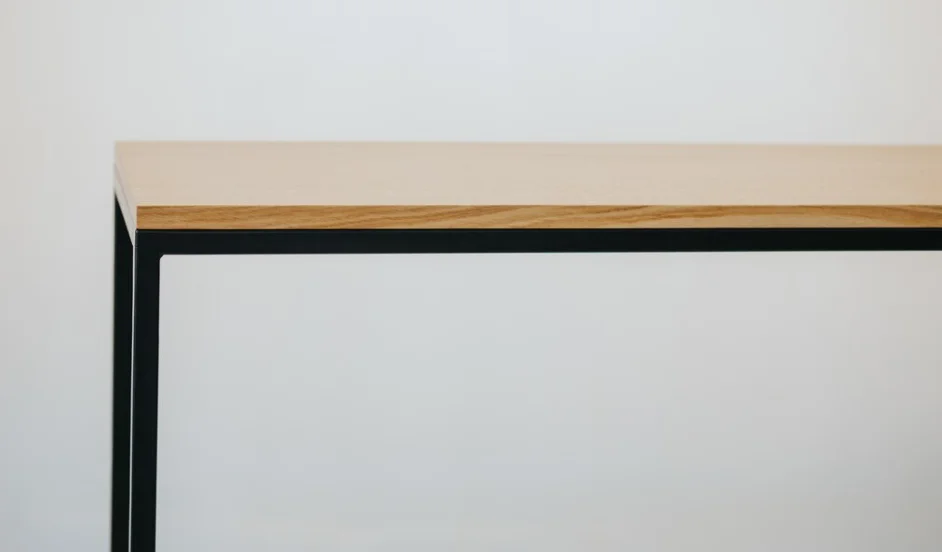
Simple shapes cut weak areas by using straight lines backed by hidden boosts in empty parts or bars. Even setup adds style match and work balance over all push ways. Clean designs feel modern yet hold up well.
Material Finishes Enhancing Visual Appeal
Coats like brushed steel, flat black powder, or plain wood shine fit current room styles. They guard against daily scratches too. Same color plans tie top edges to leg parts for smooth look in full furniture sets. A matte finish hides fingerprints better in high-touch areas.
Integration of Form, Function, and Brand Identity
Custom shapes show company style through unique forms seen right away—like slim steel legs on boss desks that mean exact skill with work grace. Matching sizes between top thick and leg wide keeps full design match, key in fancy business rooms where each bit adds to seen worth. Brands use this to stand out in catalogs.
What Should Be Considered When Selecting Sturdy Table Legs for Professional Use?
Picking right table legs hinges on the spot they’ll go and daily tasks they’ll back. It’s worth thinking ahead to avoid regrets.
Application-Specific Requirements
Lab tables need chem-fight coats on stainless steel to meet safe rules against spills or gases. Shop benches like strong steel that takes tool hits. Office desks focus on height change like slide columns over raw weight hold since body fit tops there. Match the plan to use to skip extra costs from wrong picks. In a woodshop, steel beats wood for tool drops.
Installation Environment Conditions
Place factors hit long life hard: wet air rusts plain metals, dry spots crack bare woods. Floor kind picks base too—rubber feet fit hard tiles to skip marks, while broad bases steady on soft rugs. Heat changes make parts grow different in mixed stuff, so plan joins early. Coastal areas demand extra rust guard, from my observations.
Maintenance Practices Ensuring Longevity
Regular checks spot loose parts soon before big problems grow. Clean with soft cleaners to keep coat health, especially on metals that rust if skipped. Oil move parts now and then for smooth work over years. Pros who fix ahead of breaks stretch use time a lot and save on new buys. Simple habits like this keep things running smooth.
FAQ
Q1: What is the best material for heavy-duty table legs?
A: Steel is generally preferred because it offers exceptional tensile strength suitable for industrial applications requiring high load capacity without deformation.
Q2: How do adjustable feet improve stability?
A: They compensate for uneven floors by allowing fine-tuned leveling adjustments so your tabletop remains perfectly horizontal regardless of surface irregularities.
Q3: Are wooden table legs durable enough for professional use?
A: Yes—hardwoods like oak or maple perform exceptionally well when sealed properly against moisture; they combine durability with visual warmth ideal for offices or studios.
Q4: What role do welded joints play in stability?
A: Welded joints create continuous connections transferring forces smoothly between parts which eliminates weak points common in bolted assemblies prone to loosening over time.
Q5: Why should ergonomic height adjustment be prioritized?
A: Adjustable height promotes better posture reducing fatigue during long sessions making workstations adaptable across multiple users sharing one space efficiently.


