
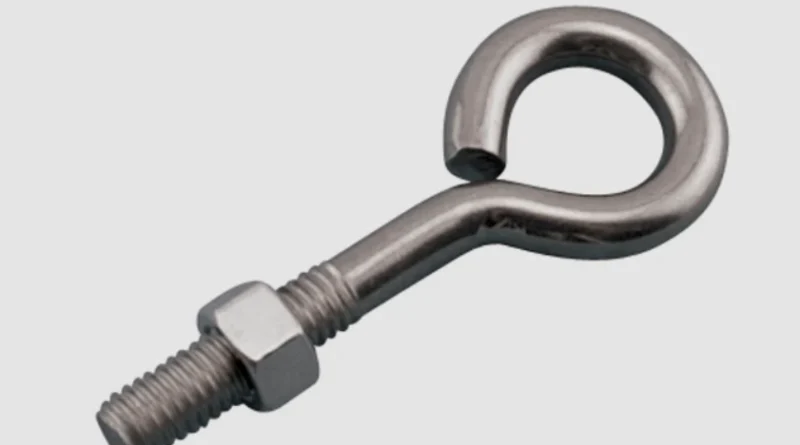
What Are Eye Bolts and How Do Different Types Affect Load Capacity
Eye Bolt Types and Safe Loading Basics
Eye bolts are tiny parts that carry huge duties. They link lifting tools, hold big machines in place, and serve as firm anchors in building projects and sea work. If you pick them wrong or set them up badly, they turn into weak spots. This can lead to broken gear or bad accidents. The piece looks at how eye bolts work. It covers their groups, what affects how well they do, and new ideas making them more dependable today.
The Structural Function of Eye Bolts in Load Handling?
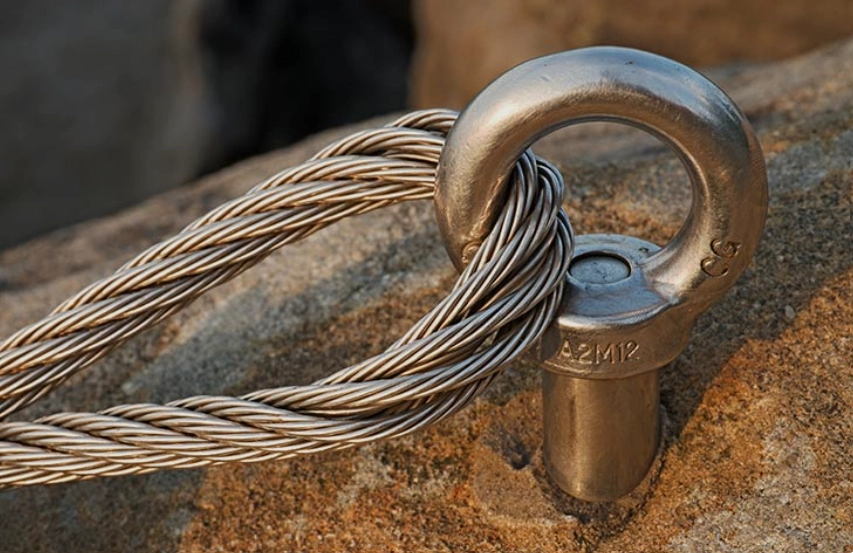
Eye bolts have a key job in systems that manage loads. They act as tie points for pulling up or fixing loads in place. They pass pulling forces right through the bolt’s main part into the base setup. To put it simply, when you raise a load straight up with an eye bolt, the pull goes right down the shank into the base stuff. That’s why picking the right size and setting it up right counts so much. Any off-center pull can shift the forces. This might bend the shank or make it break.
Material Composition and Manufacturing Standards
The power and lasting quality of an eye bolt come a lot from its makeup. Carbon steel works well for everyday lifting jobs. Stainless steel fights rust in sea or chemical spots. Alloy steels handle bigger pulling power needs. Heat steps like quenching and tempering boost how well they stand up to repeated pulls. This makes the bolts good for loads that come and go often.
Makers stick to rules like ASME B18.15 or DIN 580. These keep sizes and how well they work the same in every batch. The rules spell out thread lengths, shoulder thicknesses, and strength traits. Users can then pick parts that fit together with known results.
Classification of Eye Bolts by Design?
Eye bolts come in many shapes based on how they’re built and what jobs they face. Picking forged or machined isn’t only about money. It’s about the pressure the task will put on them. For instance, in a busy shipyard, a forged one might hold up better to rough handling than a machined type.
Forged vs. Machined Eye Bolts
Forged eye bolts get made by shaping hot metal with force. This lines up the metal’s inner grains with the bolt’s shape. It gives them better strength against hits and toughness. These suit tough lifting or loads that shift around. Machined eye bolts get cut from solid bars with careful tools. They give exact size control. But they might miss the grain setup that makes forged ones stronger. In setups where fit matters most and loads stay light, machined ones often do the job better. Think of a lab tool rack—precision wins there.
Types Based on Shank Configuration
Plain Pattern (Non-Shoulder) Eye Bolts
Plain pattern eye bolts fit only straight-up lifts. If you tug at an angle, even a small one, you could bend the shank or ruin the threads. These lack extra strength at the spot where the eye meets the shank.
Shoulder Pattern Eye Bolts
Shoulder pattern ones have a cut collar. This spreads out the stress for pulls at small angles, often up to 45 degrees. When they sit flat against a hard surface, they manage side pulls safer than plain kinds. In real use, like tying down a generator on a truck, this helps avoid slips.
Swivel and Rotating Eye Bolts
Swivel eye bolts have bearings or turn parts. These let the eye spin a full 360 degrees under weight. They line up with the pull direction on their own. This cuts twist stress on the bolt and the ropes or chains. Picture a crane on a windy dock—the swivel keeps things from tangling.
Load Capacity Factors in Eye Bolt Applications?
The load limit isn’t just tied to how big it is. It hinges on how you handle it. A big eye bolt can still snap if you use it wrong. I’ve seen cases in workshops where folks overload by ignoring the angle, and it ends badly.
Influence of Load Direction on Rated Capacity
Makers check load limits under straight-down pulls. That means force right along the shank’s line. If you add an angle, say 30 degrees, the safe load falls fast. It might drop by half or more. You can check charts from rules like ASME B18.15 or maker sheets for details. Always double-check before a big lift.
Thread Engagement and Installation Depth Considerations
For bolts with threads, make sure all threads catch fully. This spreads the pull evenly along the shank. If only some threads grab, because the hole is too shallow or full of dirt, the weak spots get too much shear. That raises the chance of it pulling out. On soft stuff like aluminum sheets or wood beams, add washers or plates behind. They help push the load over more space. In one factory job I recall, skipping the washer led to a quick fix but a scary moment.
Environmental and Operational Conditions Affecting Performance?
Out in the real world, things don’t match perfect test rooms. Rust and heat shifts can wear down how well they work over time. It’s not just theory—I’ve watched bolts weaken after a wet winter outdoors.
Corrosion Resistance in Harsh Environments
In places like beach piers or chemical factories with lots of wet and harsh stuff, stainless steel eye bolts beat plain carbon steel. Their chromium layer fights air turn-to-rust. For spots open to rain but not always wet, galvanized coats give cheap protection. The zinc layer rusts first, saving the main metal. This lasts years, but check for scratches now and then.
Temperature Effects on Mechanical Properties
Big heat or cold changes how steel acts. Hot temps cut the point where it bends without breaking. Cold makes it snap easy. Alloy steels for super cold jobs keep their bendiness below –50°C. Standard ones might crack if hit hard in that chill. Offshore rigs deal with this daily, so picking right matters a ton.
Inspection, Maintenance, and Safety Practices for Eye Bolt Use?
Top-notch gear can still go wrong if you ignore it or use it poorly as time passes. Checking often spots wear early. This stops big breaks. Safety isn’t optional—it’s what keeps folks safe on the job.
Routine Inspection Protocols Before Use
Look over each one by eye before a lift. Check for bends around the eye loop. Stretched shapes mean past overloads. Spot rust holes that might start cracks with back-and-forth pulls. Clean the threads—no rough spots. Use tools to see if wear stays in the limits from the rules.
Safe Installation and Torque Application Guidelines
Alignment and Seating Requirements
When putting in, get the shoulders to sit full against flat spots. No gaps, or the stress bunches up. This can crack the threads early. Line it up straight every time.
Torque Control During Installation
Use the right twist force. Too much strips the threads. Too little lets it shake loose in bumpy rides, like hauling machines. Follow the maker’s torque numbers closely.
Periodic Reassessment of Load Conditions
If the setup changes, like going from straight to side pull, figure out new safe limits. Use fresh charts for cuts in load. Don’t stick with old plans forever. In dynamic spots like construction sites, this check saves headaches.
Modern Innovations in Eye Bolt Design and Testing Technologies?
New engineering tweaks keep improving the metals for eye bolts and the ways to check if they’re solid before use. These changes help in tough spots, like deep-sea oil work where failure isn’t an option.
Advanced Materials and Coating Techniques
Strong microalloyed steels mix light weight with great hold against repeated pulls. This fits crane jobs or sea platforms with wave shakes all day. New coats like zinc-nickel beat old galvanizing. They last longer even with small scrapes that show the base during rough handling. Numbers show they can go 20% further in salt air tests.
Non-destructive Testing (NDT) Methods for Quality Assurance
Today’s checks use no-harm tests like magnetic particle scans. These show surface breaks you can’t see, especially at forged curve spots where stress hides. Sound wave checks find inside flaws too. This makes sure every group passes strength tests before sale. It’s a big step up from old eye checks alone.
FAQ
Q1: What is the main difference between forged and machined eye bolts?
A: Forged versions have superior grain alignment providing higher toughness under impact loads while machined ones offer precision tolerances suitable for light-duty alignment-critical tasks.
Q2: Can shoulder pattern eye bolts be used for side pulls?
A: Yes but only within specified angular limits (usually up to 45°) when shoulders seat flush against rigid surfaces ensuring even force distribution.
Q3: How does corrosion affect load capacity?
A: Corrosion pits act as crack initiation sites reducing effective cross-sectional area thus lowering safe working load capacity significantly over time if not inspected regularly.
Q4: Why is full thread engagement critical?
A: It spreads tensile stresses evenly preventing localized shear failures especially important when lifting near rated capacities where margin of error shrinks drastically.
Q5: Which tests confirm structural integrity before service?
A: Magnetic particle inspection checks surface defects while ultrasonic testing identifies hidden internal discontinuities safeguarding against unexpected fracture events during operation.


