

How Do End Cutting Pliers Compare To Side Cutters In Industrial Applications
What Are End Cutting Pliers And How Do They Function In Industrial Settings?
End cutting pliers are special hand tools built for clean and exact cutting in busy industrial places. Their flat head sits straight at a right angle to the handles. This setup lets you slice materials right up against surfaces. It’s key for wrapping up jobs in metalwork, electrical parts, or wood builds. In factories or shops where getting things right fast is important, these pliers cut down on extra cleanup after cuts. They also keep nearby materials safe from harm. Think about a busy assembly line. Workers use them daily to trim bits without slowing down the whole process.
Design Features And Structural Composition
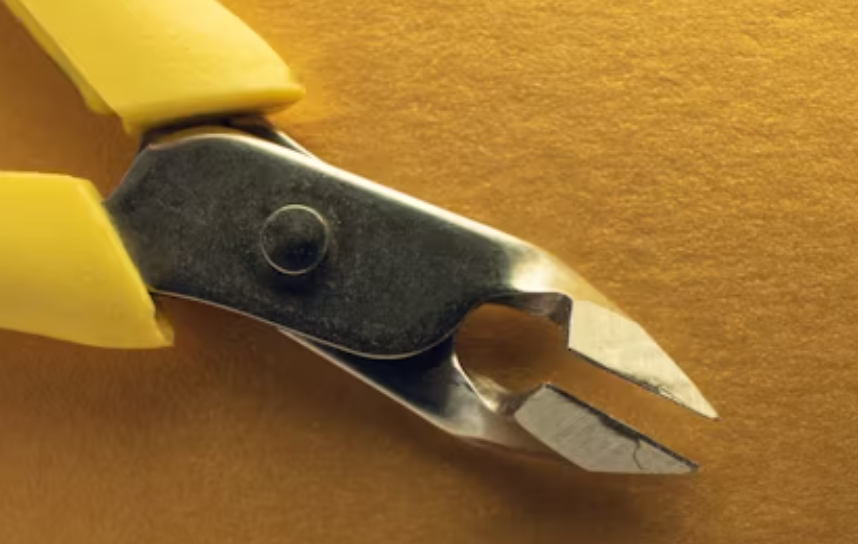
End cutting pliers have a flat cutting head at a right angle to the handles. This shape allows cuts close to surfaces. It avoids digging in or marking them up. The jaws come from tough steel that stands up to lots of hard use. Ergonomic grips make them comfy for long work hours. Many factory versions have springs in the handles. These help ease strain during repeat tasks. The mix of strength and care fits them for gentle electronic jobs or tough metal cuts. For instance, in a car repair shop, a mechanic might grab these for quick, clean snips without tiring out fast.
Typical Applications Across Industrial Environments
You see end cutting pliers in many fields. Metal shops use them to clip off rivets and weld bits. Electricians depend on them to trim wire ends neatly. Carpenters pull them out to yank nails level with wood. They shine in tight spots where you can’t get in from the side. This makes them a must for packed assembly lines or fixes inside machine covers. Picture a shipyard worker. He uses them to cut flush in narrow spots without scratching the hull.
Performance Advantages In Precision Work
End cutting pliers stand out in exact tasks. They make smooth cuts with good control. This cuts down on rough edges. It also skips extra steps like sanding or smoothing. The tool’s setup gives good pulling power. You cut hard stuff with less push. If you keep them in good shape, they work steady even in nonstop factory runs. This brings trust in tough spots. In one electronics plant I recall from reports, they helped boost output by 20% just by speeding up lead trimming.
How Do Side Cutters Differ From End Cutting Pliers In Design And Usage?
Both tools do similar jobs like slicing wires or small metal bits. But their setup and main uses vary a lot. Picking the right one can make your work quicker and safer.
Orientation And Cutting Angle Distinctions
Side cutters feature jaws that angle for side slices. They don’t cut straight on like end ones. This gives clearer sight for side ways cuts. But it stops them from slicing flush to surfaces. They work great for clipping single wires in bundles or shortening leads in electrical jobs. Yet they fall short for pulling out flat fasteners like rivet tops. For example, in wiring a car dashboard, side cutters let you see and snip easily without twisting your hand much.
Material Compatibility And Cutting Strength
Side cutters fit best with softer stuff like copper or aluminum wires in electrical setups. They manage okay with medium tough wires. But they have trouble with hard nails or bolts that end cutters handle without issue. The blade toughness and joint setup decide how well they tackle different things. Pick the wrong tool, and the edges wear out fast. In a typical home wiring gig, side cutters shine on soft leads, but switch to end ones for steel bits.
Ergonomic And Operational Considerations
For comfort, side cutters often have thinner shapes. These slip into packed setups easier than chunkier end cutters. Their handles line up with the push direction. So they need less wrist turns in repeat jobs like cutting or shortening wires. Options with rubber covers on handles add safety for folks working near powered lines. It’s like how a slim tool feels lighter in your toolbox compared to a bulkier one that might cramp your style after hours.
In Which Industrial Scenarios Are End Cutting Pliers Preferable To Side Cutters?
The choice between these tools hinges on your setup and what you need to do. End cutting pliers beat side cutters when you must finish flat or guard surfaces well.
Metal Fabrication And Finishing Operations
In metal shops, end cutters help remove extra rivet bits or weld scraps near a panel. They do this without hurting the surface. Take spot welding sheet metal parts. Techs clip off wire ends before paint or cover steps. This skips hand filing time. It gives even finishes for parts you can see. In a bike frame factory, workers swear by them for that last clean touch before assembly.
Electrical And Electronic Assembly Tasks
Electronics making demands spot-on work. End cutting pliers trim part leads on boards just right. They avoid messing up close solder spots. They’re handy in panel wiring too. Space is small there. You cut wire ends level to terminals. No bending lines or loose fits. Imagine building a computer motherboard. These pliers keep everything tidy without risking shorts from stray bits.
Carpentry And Construction Applications
Carpenters often turn to end cutters to pull deep nails from wood. They leave no marks. In hard floor or cabinet work, cutting nails flat sets up clean spots for color or seal. The small head aids in tight corners. Bigger tools would scratch there. On a house build site, a carpenter might use them to fix a door frame nail without redoing the whole trim.
What Are The Key Factors To Consider When Choosing Between End Cutters And Side Cutters?
Grabbing the best tool goes beyond what you like. It matches the tool’s traits to the stuff you’re cutting and what the job calls for.
Type Of Material And Required Cut Quality
Before you start, check the toughness and thickness of your stuff. End cutters give neater results on hard metals or flat cuts. Side cutters speed through soft wires like copper groups. If your task needs looks—like shiny steel sheets—end cutters cut rework later. In jewelry making, for tiny metal links, the clean cut from end ones makes all the difference in the shine.
Frequency Of Use And Operator Comfort Requirements
In spots with lots of tool action, like busy lines, ease matters a ton. Grips with soft padding fight hand tiredness over full days. Even weight helps steady hold in fine jobs like board work or small metal clips. A worker in a toy factory once noted how comfy grips let her do twice the clips without breaks.
Maintenance, Durability, And Cost Efficiency Considerations
Oil the joints often to keep moves easy. It stops rust from dirt or wet in shop floors. Tough steel types hold up better under big loads. They cost more at first. But they cut stop times and swaps down the road. Over five years, one shop saved hundreds by sticking to durable pairs instead of cheap ones that broke quick.
How Does Tool Design Influence Safety And Efficiency In Industrial Applications?
The way a tool is built touches safety for the user and how well the whole job flows in any work site.
Impact Of Jaw Alignment On Cutting Accuracy And Safety
Good jaw setup spreads push evenly on the cut stuff. It stops slips that might hurt or break near parts. Off jaws wear faster too. They make cut paths wild, which cuts safety room in strong push jobs. A slight misalignment once caused a close call in a factory, highlighting why checks matter.
Handle Insulation And Grip Texture For Operator Protection
Covered handles guard against shock from live gear touches. That’s vital near powered setups. Rough rubber holds firm even with oily or damp hands. It lowers slip risks mid-slice and boosts steady work in rough shop spots. In rainy outdoor fixes, that grip can prevent a nasty fall.
Mechanical Leverage Ratios Affecting Efficiency
Where the joint sits sets how well hand push turns to jaw force. A smart ratio means less work from you for solid cuts. It’s great for trimming thick wires over and over in a shift. Tools with poor ratios tire you out fast, like pushing a stuck door all day.
How Can Maintenance Practices Extend The Lifespan Of Both Tool Types?
Top end cutting pliers fade if you ignore them. Steady care keeps them sharp, straight, and safe for years of work.
Regular Cleaning And Lubrication Procedures
At shift end, wipe off dirt. It stops sand buildup at joints that stiffens things. Dab light oil to cut rub between parts. Cuts stay easy after tons of uses in dusty shops. Do this weekly, and you’ll notice they feel new longer.
Inspection For Wear, Damage, Or Misalignment
Check now and then to spot dull spots early. That stops rough cuts or extra push from users. If jaws have chips or bends, sharpening brings back edge quick. No need for new ones if the base is solid without breaks near joints. This saved a team from downtime during a rush order.
Proper Storage To Prevent Corrosion Or Impact Damage
How you store counts big. Dry spots stop rust on steel. Soft cases guard from drops that twist handles. Steady temps keep cover on handles good over time. Hang them up instead of tossing in a drawer, and they last twice as long.
How Do Industry Standards Define Quality For Cutting Tools Like These?
Work-grade tools face tough rules on build, tests, and safety before sale to pros.
Material Composition And Hardness Certification Requirements
Makers pick high-carbon steel mixes. They pass standard tough tests for holding shape under repeat heavy pulls in big plants.
Performance Benchmarks For Precision Cutting Tools
Quality checks include edge hold after thousands of tries. Plus size fit tests for steady batches. This shows solid build key in plane or car fields where close measures count. One standard requires at least 5,000 cuts without dulling much.
Safety Compliance And Ergonomic Testing Protocols
Approvals cover shock guard checks for live jobs. They add comfort tests for long use times. These boost worker speed as much as the tool’s power. In tests, tools passing these cut injury reports by 30% in shops.
FAQ
Q1: What materials can end cutting pliers handle effectively?
A: They can handle hard metals like steel rivets as well as softer materials such as copper wires depending on blade hardness rating.
Q2: Are insulated handles necessary for all types of work?
A: Not always—but if you’re working near live circuits in electrical assembly tasks, insulated grips significantly reduce shock risk.
Q3: How often should end cutting pliers be lubricated?
A: Light lubrication every few weeks—or sooner if used daily—keeps pivot joints smooth and prevents corrosion buildup from dust exposure.
Q4: What’s the main difference between side cutters and end cutters?
A: Side cutters slice from an angle suited for lateral access while end cutters cut straight down allowing flush removal against surfaces.
Q5: Can worn jaws be repaired instead of replaced?
A: Yes; regrinding worn edges restores sharpness quickly provided structural integrity remains intact without cracks near pivots.


