
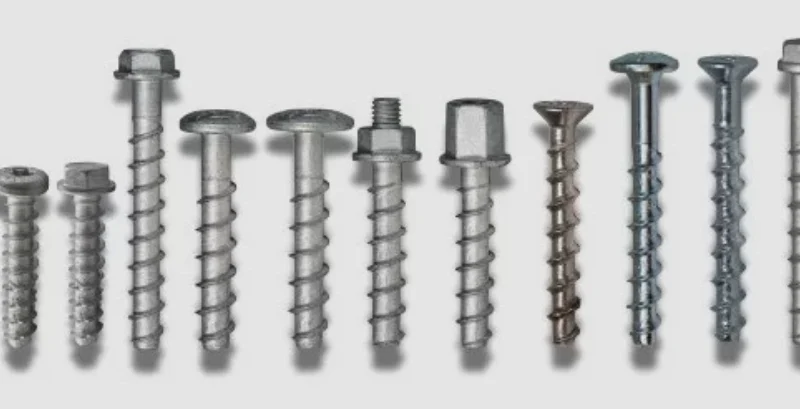
What Makes Stainless Steel Bolts Ideal for High Corrosion Environments
The Role of Stainless Steel Bolts in Corrosive Environments
Stainless steel bolts play a key part in fields where dampness, harsh chemicals, or salty water are hard to avoid. Their work relies on the mix of metals in them, plus the surroundings and care they get. For builders and experts in materials, knowing how various types hold up against harsh wear is vital for safe structures that last a long time. Think about a ship out at sea; those bolts keep everything tight against constant waves and salt. Without them doing their job, things could fall apart fast.
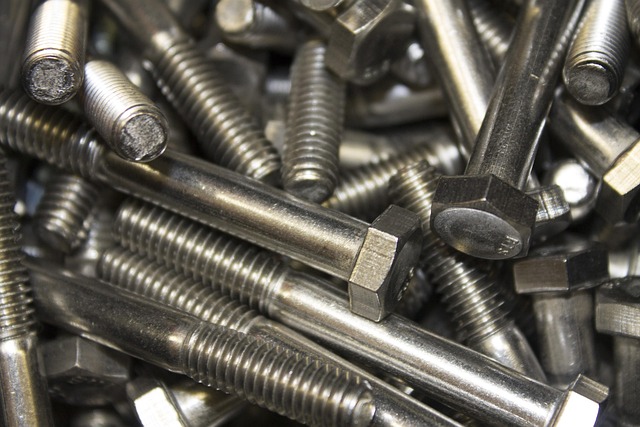
The Science Behind Corrosion Resistance
The ability of stainless steel bolts to fight rust comes from what they are made of. Chromium, a main part of the mix, teams up with air to create a slim shield of oxide. This shield stops rust from starting. It fixes itself after small cuts or scrapes. So, it keeps guarding the metal from the world around it. When you add molybdenum and nickel, the bolts do better against spotty rust and hidden rust spots. This is especially true in places full of salt, like ocean water or factories with chemicals. How steady this shield stays in different acid levels and heat changes decides how well the bolt holds out without breaking down. In hot spots or sour settings, if the shield cracks quicker than it mends, the rust speeds up. I’ve seen this in old bridges near the coast where heat from the sun makes things worse.
Environmental Factors Influencing Corrosion Behavior
The world around them has a big say in how stainless steel bolts wear out. Amounts of salt, wetness in the air, and heat all shape the speed of rust. Take boats on the water, for example. Salt mist plus times of wet and dry can start small rust spots on even the best metals if dirt sits on the surface. Factory fumes like sulfur dioxide or nitric oxides can hit the shield hard by changing what it’s made of. How things are built counts too. Gaps near washers or screw parts can hold water and salt, causing rust in those tight spots. A even surface helps cut down these weak points. It does this by giving less room for dirt to stick. In real life, like on oil rigs, a bit of grime from daily work can turn a good bolt bad if you don’t watch it.
Grades of Stainless Steel Bolts and Their Corrosion Resistance Characteristics
Picking the right kind of stainless steel bolt means weighing price against how tough it needs to be. Each type brings its own strength and makeup for certain places.
Overview of Common Stainless Steel Grades Used in Fasteners
AISI 304, or A2, gets used a lot for everyday jobs. It offers a fair mix of power and fight against rust. This type works fine inside or in not-too-bad outdoor spots. But it has trouble near the shore because of salt attacks. AISI 316, called A4, has molybdenum added. That boosts its guard against salt-caused spot rust. So, it’s great for sea air or plants that handle chemicals. Duplex types mix two structures, ferritic and austenitic. They give extra power and better hold against cracking from stress and rust, more than usual austenitic metals. Sometimes, folks pick 304 for simple fences, but switch to 316 when salt is in the air, like in Florida beach builds.
Comparative Analysis of Bolt Grades in Aggressive Environments
In light rust spots, like city air or fresh water, 304 bolts often do okay for years. Yet, when hit with salt mist or soaked in sea water, they might show rust signs in just a few months without good care. By contrast, 316 bolts keep strong even in steady sea water or chemical smells. People often choose them for sea oil setups and water cleaning plants. Duplex stainless steels beat both 304 and 316 when you need power along with rust fight. For instance, in deep water links or pipe ends under pressure where heavy pulls happen, they shine. Data from tests shows duplex holding up 50% longer in salt baths compared to 316.
Mechanical Strength Considerations in Stainless Steel Bolts
While fighting rust comes first in choices, the strength side can’t be skipped, above all where safety matters most.
Relationship Between Alloy Composition and Mechanical Properties
Nickel helps a lot. It keeps the austenitic build steady in stainless steel bolts. This leads to better bend and toughness in cold or hot times. Molybdenum does more than guard against rust. It also builds pull strength by smoothing the metal grains as it cools. With methods like rolling threads or hardening by strain, you can raise the bend point without hurting the shield. This is handy for tight joins that need bounce back and trust. In workshops, workers often cold-work bolts for truck frames to handle road bumps without snapping.
Performance Under Stress and Temperature Variations
Austenitic stainless steels keep their build solid in super cold or high heat up to around 870 °C. After that, they start to lose pull. This fits them for cold storage tanks or oven parts. Duplex bolts show almost twice the bend power of normal austenitic types. So, you can use smaller ones for the same hold in building frames. How long they last under shakes depends on the surface feel. Bumpy cuts from tools create weak spots for stress. Right tightness at setup cuts the chance of coming loose from vibes. From experience in auto plants, a smooth finish can double the life of bolts in engines that hum all day.
Selecting the Appropriate Stainless Steel Bolt for Specific Applications
To choose a fitting stainless steel bolt, you need more than grade labels. Look at how rough the setting is, what pulls it faces, and how it matches other parts.
Criteria for Material Selection Based on Environment Severity
First, check salt levels, say 50 ppm against sea water’s 19,000 ppm. Also, see heat ups and downs, and how long it will face the weather. When joining with different metals like aluminum or plain steel, watch for battery-like reactions that speed up rust at touch points. The pull needs must match both pull limit and shake hold so you don’t overbuild or break early. In practice, for a bridge over salty rivers, engineers test samples in fake sea water for weeks to pick the best.
Practical Applications Across Industries
Marine Engineering and Offshore Structures
In sea building spots where bolts sit in water or get splashed all the time, A4 or duplex types give solid years of work. They stand up to salt and keep power through up-and-down loads. On oil platforms miles out, these bolts hold pipes against storms that hit 100 mph winds.
Chemical Processing Plants and Refineries
Plants that deal with chemicals put screws up against acids like sulfuric or hydrochloric. Here, 316 or duplex ones are top picks. Their mix fights acid spots and keeps joins tight through heat changes. In a refinery I recall from reports, switching to duplex cut repair calls by 30% in acid tanks.
Construction and Architectural Projects
For building looks like wall covers or railings that see fair air dampness, 304 bolts give nice looks with enough guard against air rust. But close to shores, step up to 316 to stop ugly marks from salty winds. In city parks near the ocean, this upgrade saves on repaint jobs every few years.
Maintenance Practices to Enhance Bolt Longevity in Corrosive Conditions
The top stainless steel bolt will give out too soon without steady care to keep its shield whole.
Preventive Measures Against Surface Contamination
When putting them in, skip plain steel tools. Tiny iron bits can stick and cause rust marks later, called tea staining. Clean often with soft soaps to clear salt build-up on tops, mainly after rain in sea areas. A quick wipe after storms can prevent months of headache, as seen in harbor fixes.
Inspection and Replacement Strategies for Long-Term Reliability
Check tightness now and then to hold the starting pull when heat swells cause slack over time. This matters a lot in gear with warm-cool swings, like pipe outs or reaction vats. Swap out any with clear rust right away. Don’t reuse them. Once spots start under covers, they spread along twists unseen and lead to breaks under weight. Teams in factories set monthly checks, catching issues before they cost big downtime.
FAQ
Q1: What makes stainless steel bolts resistant to rust?
A: Their chromium content forms a passive oxide film that shields the underlying metal from oxygen and moisture contact.
Q2: Why is grade 316 preferred over 304 in marine environments?
A: Grade 316 contains molybdenum which significantly enhances resistance against chloride-induced pitting common near seawater exposure zones.
Q3: How does cold working affect stainless steel bolt performance?
A: Cold working increases yield strength while maintaining corrosion resistance since it refines grain structure without damaging the passive layer.
Q4: Can duplex stainless steel bolts replace all other grades?
A: Not always; although duplex offers higher strength and better stress-corrosion cracking resistance, its cost and fabrication complexity may not justify use in mild environments.
Q5: What routine maintenance extends bolt service life?
A: Regular cleaning to remove contaminants plus torque checks during scheduled inspections help sustain preload accuracy and prevent early failure due to hidden corrosion growth.


