
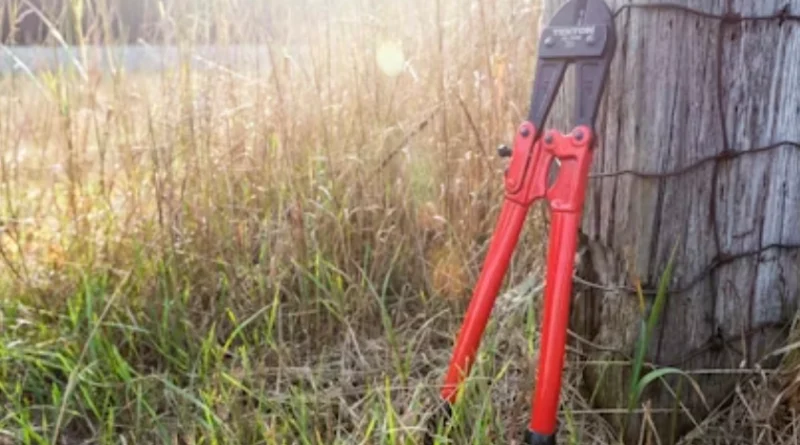
What Are Fencing Pliers And How Do You Use Them Effectively
What Are Fencing Pliers and Why Are They Important?
When you work on a fence line, mainly in big farm fields or animal pens, the correct tool can turn a fast fix into a tough day or keep things smooth. Fencing pliers rank as one of those must-have items for experts. Their build packs several jobs into a small package. This lets you cut, twist, hammer, and pull wire without grabbing other tools all the time.
Definition and Core Features of Fencing Pliers
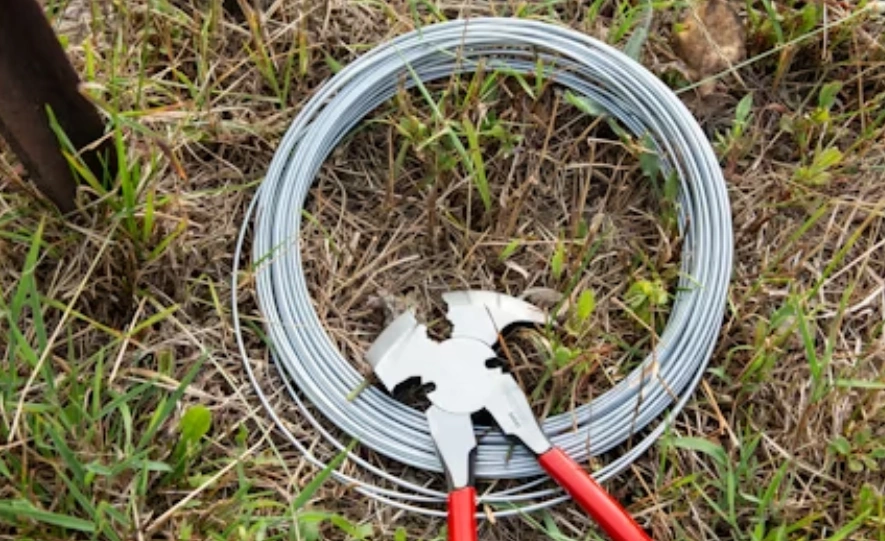
Fencing pliers act as a combo tool. It mixes a hammer, wire cutter, and gripping jaws. They suit many fencing jobs like cutting, twisting, and pulling wire. Most types come from high-carbon steel. This gives them solid build and lasting power in rough outdoor spots where rust and hits count a lot. The head often has a flat hammer side to drive staples into posts. It also has a curved claw to yank them out. The cutting parts get hardened to deal with high-tensile wire. They stay sharp without wearing out fast.
Primary Applications in Fencing Work
You see fencing pliers in action at every step of fence jobs. That includes setting up new lines, pulling tight loose wires, or fixing old fences. They prove key when you handle barbed wire, mesh fencing, or t-post clips. Each job needs both pulling tight and fastening steps. Take barbed wire setup, for instance. The gripping jaws let you twist the strands neatly around posts. At the same time, they hold steady pull. For mesh fences, they allow exact clipping. This keeps the wire pattern from bending out of shape. In my experience from farm work, these tools save hours on big runs of fence.
Advantages Over Standard Pliers
Regular pliers often stick to one job. But fencing pliers blend many tools into a single handy device. This cuts down on hauling extra gear to the site. Their longer handles give better pull for slicing thick wires. Normal pliers would tire your hands on those. Besides speed boosts, they boost safety too. They cut down on slips when you work with pulled-tight lines or sharp barbs. Think about a windy day on a hill farm—good grip makes all the difference.
How Do You Choose the Right Fencing Pliers?
Picking fencing pliers goes beyond just liking a brand. You need to match the tool’s details to your daily tasks and the wires you use. The best pair feels even in your grip. It should also hold up to lots of repeats without tiring you out.
Key Factors to Consider When Selecting a Tool
The build material matters a ton. Forged or high-carbon steel types take repeated bangs better than cast ones. Handle shape counts too. Grips that fit your hand cut down on tiredness over full days outside. Jaw fit affects how exact your work gets. Badly matched jaws lead to rough cuts or slips during twists. If you face all kinds of weather often, coatings that fight rust like nickel or chrome help the tool last longer. I once picked a cheap pair without good grips—big mistake on a rainy week.
Comparison Between Different Fencing Pliers Types
Basic fencing pliers stick to main jobs like hammering and cutting. Newer multi-function kinds add extras. These include staple pullers with better angles for pull or built-in crimpers to join wires. Weight and feel change how you control them. Heavier ones pack more force but wear you out quicker. Some companies make designs for set wire types. Barbed wire needs tougher cutters than woven wire jobs. Its hard strands demand that extra bite.
Recommended Specifications for Professional Use
For pro-level work, go with heavy-duty forged steel build. It keeps shape even under hard strain. Handles around 10 to 12 inches long give extra pull for tight jobs on wide fences. Jaws cut and shaped with care work best. They make neat slices without ragged ends. They also hold firm on slick galvanized wire. In big operations, like fencing 5 miles of pasture, these specs keep things moving without breaks.
How Can You Use Fencing Pliers Effectively?
You might have the finest fencing pliers, but your method decides how well the job goes. Right ways to hold and move them stretch the tool’s life. They also give neater finishes in all steps, from slicing to twisting.
Techniques for Cutting Wire Accurately
To get straight cuts without ragged bits, line up the jaws straight against the wire. Then squeeze with steady push, not a fast jerk. Sudden pulls harm the blades and your wrist after a while. Check the cutting parts often. Dull spots need more work and might smash instead of cut the metal clean.
Methods for Twisting and Tensioning Wire Securely
The gripping part on fencing pliers helps you turn wires easy around posts or staples. It keeps even pull over long runs. Do not pull too hard. That can stretch the metal past its limit and weaken the whole fence. Turn the tool in smooth circles. This makes even loops without bends. Kinks like that break early when weight hits them. On a cattle ranch I visited, even twists kept the fence strong for years.
Steps for Pulling Staples and Removing Old Wire Efficiently
To yank old staples from wood posts, hook the claw end under the staple top. Then lean back with soft pull, not a hard upward pry. This stops you from cracking or warping the posts. Wipe dirt from the staple slots now and then. That way, junk won’t block smooth pulls in back-to-back jobs.
Can You Use Regular Pliers Instead of Fencing Pliers?
Regular pliers look like they could manage simple fence fixes at first. But their weak points show up quick when you face thick stuff or setups that need many moves in a row.
Limitations of Standard Pliers in Fencing Tasks
Everyday pliers miss built-in hammer heads or staple pullers. Those prove vital for on-site fixes. Short handles cut the pull power when you slice fat wire. You end up pushing too hard, which tires hands or risks hurts. Plus, they lack reach for right pull on long fence parts.
Differences in Design and Functionality Between Tools
Fencing pliers join a few special tools in one even package. There’s a hammer face to hit staples, a curved claw to remove them, rough jaws for hold, and tough cutters by the turn point to slice steel wire well. Strong turn spots spread force across parts. So joints stay tight after lots of use. That’s not always true for plain plier builds.
Practical Scenarios Where Substitution Is Not Recommended
In huge farm fence projects that need steady pull over miles of line, swapping in regular pliers slows you down and ups danger. Setting up barbed wire calls for exact care. Loose sharp bits can snap back and hurt if cuts aren’t clean. Fix jobs on high-tensile fences need strong slice power too. Basic tools just don’t cut it there. I’ve seen guys try it on a 10-acre spread—ended up with sore hands and weak spots.
Can Fencing Pliers Cut Barbed Wire Safely?
Barbed wire brings special problems. Its hard make and pointy bits can cut an unwary person bad if you don’t watch it.
Structural Strength Required for Barbed Wire Cutting
Top fencing pliers have tough steel blades made to take on hard stuff like barbed wire. They don’t chip under push. Line them up right for each slice. This spreads the force even on both sides. So no part takes too much alone. That keeps them sharp after many cuts, say 200 or more on a job.
Safety Measures When Cutting Barbed Wire
Put on thick gloves from tough leather that stops pokes. Add eye guards too. Broken wires can flick back without warning. Stand firm before you squeeze the handles. Moving your feet mid-slice ups the chance of a fall, especially on bumpy ground in country spots. Make sure no one lingers close when you cut tight parts. The snap-back force moves quick and can harm in a flash.
Techniques to Optimize Cutting Efficiency
Go with short, even squeezes over long presses. The long way dulls them quicker with no real speed win. Keep barbs off the cutting spots if you can. That stops them from jamming the blades shut. A bit of oil at the turn points now and then keeps things gliding under big loads in long work times.
How Should You Maintain Your Fencing Pliers?
Steady care keeps both the work power and ease going for years. A tool you ignore loses sharpness fast from rust or loose parts.
Cleaning Practices After Field Operations
After each job, brush off dirt bits with a soft tool. Then wipe the metal clean with dry rags. Add a light coat of machine oil to the joints. This stops rust from building if you leave them out overnight. Outdoor air speeds up that bad change a lot if you skip it. Store them inside, best hung up straight in dry spots. Keep them away from wet areas like damp floors.
Inspection Routine for Wear or Damage Detection
Before any new task, look at the handle holds. Check for splits or wiggles that could mess up your grip. Eye the cutting edges under bright light. Spot worn spots early to save work down the line. Swap out any beat springs or bolts right away. Keep the inner works snug and sure. That’s key for repeat twists over full days.
Lubrication and Storage Guidelines for Longevity
Use silicone oil in small amounts. Just cover the moving spots without extra that pulls in dust. Hang them straight after a clean. Or lay them flat in soft-lined boxes. This stops hard bumps against other metal items. Such steps stretch how long they work well.
What Are the Historical Developments Behind Fencing Pliers?
The growth of fencing pliers tracks bigger shifts in farm tech. Hand-made items turned into factory-made ones with exact builds. This brought steady quality everywhere.
Origins of Multi-Purpose Fence Tools
Old metal workers made early forms. They mixed hammer heads with holding jaws. Farmers could fix fences fast without trips back to shops. Ranch hands improved these rough starts. They made them easy to carry as one-tool fixes for daily care. Factory ways later set standard sizes. Now parts swap easy no matter where you are.
Evolution of Design Over Time
Better metal work brought heat-treated mixes. These upped strength without added weight. Handle changes for comfort came next. They cut tiredness in long outside shifts. New surface covers added grip that holds in wet rain. This raised safety for the user a good deal.
Influence on Contemporary Agricultural Practices
These changes reshaped today’s farms. They speed up setups and cut workers needed per mile of fence. Safety got better with smarter pull systems. Now, no pro’s gear feels right without a solid set of fencing pliers. They stand as a base tool in any kit. From small homesteads to vast ranches, they’ve changed how we handle wire work day to day.
FAQ
Q1: What material is best for professional-grade fencing pliers?
A: Forged high-carbon steel holds up best to lots of hits. It beats cast types for pros who deal with thick wires often.
Q2: How often should you oil your fencing pliers?
A: Give them a light oil coat after big jobs. This fights rust and keeps joints moving free. Do it more if you store them outside sometimes.
Q3: Can fencing pliers replace dedicated wire cutters?
A: Yes, for most fence wires, their built-in cutters do the trick well. But super thick cable might still need special snips.
Q4: What’s the average size range available?
A: Sizes run from 9 to 12 inches mostly. This mixes easy carry with good pull for types like barbed, mesh, or chain-link fences.
Q5: Are there left-handed versions available?
A: A few makers offer designs that work for both hands. But true left-hand ones stay rare. Most markets use all-around grips that fit either way.


