
What Can Experts Learn from Hacksaw and Coach on Early CNC Innovations
Coach & Hacksaw Talk About The Early Days
Early CNC development was more than a technical revolution; it was a cultural shift that redefined craftsmanship. From manual machining to computer-driven systems, pioneers like Hacksaw and Coach built the foundation for today’s VCarve-style workflows. Their focus on precision, repeatability, and modular design still shapes how modern CNC routers handle complex toolpaths and materials. In practice, VCarve’s layered approach to routing—combining engraving, profiling, and pocketing—echoes those early lessons about efficiency and control. For professionals seeking to match job types with router capabilities, the key lies in tracing this lineage of innovation.
The Foundations of Early CNC Innovations
The early decades of machining were defined by human skill and tactile precision. As the industry evolved, automation introduced new standards for consistency and repeatability.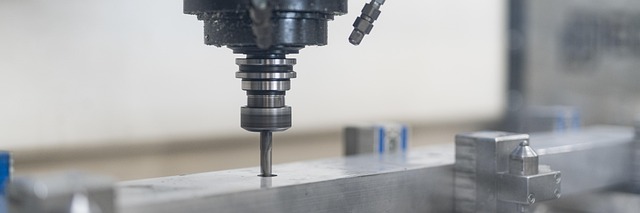
Exploring the Transition from Manual Tools to CNC Systems
Before digital control, machinists relied on steady hands and calibrated eyes. Every cut depended on operator experience. The introduction of computer numerical control (CNC) replaced that uncertainty with programmable accuracy. Automation allowed machines to replicate tasks precisely across multiple runs. Advances in control logic and motor coordination improved feed rate management, reducing tool wear while maintaining dimensional accuracy. This evolution created the backbone for today’s CAD-to-CAM workflows that dominate both industrial and creative fabrication.
How Pioneers Like Hacksaw and Coach Influenced CNC Thinking
Hacksaw and Coach were not just technicians—they were experimenters blending mechanical intuition with computational logic. Their work bridged traditional craftsmanship with digital thinking at a time when such integration was rare. They emphasized efficient toolpaths and accurate repeatability, principles later embedded in early CAM software. Their iterative approach inspired modular design frameworks now seen in systems like VCarve, where each operation builds on data-driven precision rather than manual adjustment.
Understanding the Core Principles Behind VCarve-Style Router Workflows
Modern VCarve workflows are direct descendants of those early experiments in control theory and material response. They combine layered machining strategies with intelligent software integration to produce detailed results efficiently.
The Evolution of Toolpath Strategy and Material Handling
VCarve’s method centers on layered toolpaths that define engraving depths, profile outlines, and pocket clearances. This structure allows operators to manage complex designs without overcomplicating programming steps. Material type dictates spindle speed, feed rate, and bit geometry—cutting plywood differs greatly from aluminum or acrylic routing. Adaptive strategies within the software help maintain surface quality while extending tool life, echoing the same mechanical awareness that guided early machinists.
Integration of Design Software with Machine Logic
The strength of VCarve lies in its seamless link between design intent and machine behavior. CAD drawings flow directly into CAM operations through post-processing scripts that convert vectors into G-code instructions readable by routers. This integration minimizes setup time while maintaining tight tolerances across production batches. Workflow automation also supports consistent scaling from prototypes to full production runs without losing accuracy—a principle deeply rooted in early CNC philosophy.
Applying Lessons from Early Innovators to Modern CNC Practice
The philosophies of Hacksaw and Coach remain relevant because they recognized that technology alone does not replace craftsmanship; it amplifies it through structured logic.
Balancing Craftsmanship with Algorithmic Precision
Modern experts continue this balance by merging intuition about materials with algorithmic control over motion paths. Even as AI-assisted systems predict optimal speeds or depths, understanding how wood grain or metal hardness reacts under stress remains essential. Feedback loops between operator insight and machine calibration improve reliability across long production cycles—a reflection of those first experimental workshops where every adjustment was recorded manually.
Adapting Historical Methodologies to Contemporary Router Applications
Techniques once developed for shaping metals now guide advanced woodworking or composite routing projects. Hacksaw’s focus on mechanical simplicity parallels today’s preference for low-maintenance setups using fewer moving parts but smarter controls. Coach’s insistence on repeatable results aligns closely with lean manufacturing principles used in high-volume CNC operations where efficiency equals profitability.
Identifying Job Types That Align with VCarve Router Capabilities
VCarve routers excel when applied to jobs requiring layered precision, visual detailing, or iterative prototyping cycles typical in small- to mid-scale manufacturing environments.
Ideal Applications for VCarve Workflow Efficiency
Signmaking and Decorative Engraving
Signmakers often rely on intricate vector-based artwork requiring precise depth transitions across letters or logos. VCarve handles these easily through contour routing combined with variable-depth passes that preserve edge sharpness even at fine scales. Multi-tool setups allow users to switch between engraving bits without rewriting entire toolpaths—saving hours during production.
Cabinetry, Furniture Components, and Joinery Workflows
In cabinetry or furniture fabrication, consistency is everything. VCarve’s parametric design capability allows joints such as dovetails or mortises to be adjusted automatically when dimensions change across models. This reduces setup time dramatically while maintaining fit accuracy through multiple product lines—a benefit especially valued by small manufacturers handling custom orders daily.
Prototyping and Custom Fabrication Projects
For prototyping teams working under tight deadlines, simulation tools within VCarve provide real-time previews of cutting behavior before any material is wasted. Combining 2D cutting paths with 3D carving functions enables hybrid fabrication—ideal for functional prototypes needing both structural accuracy and aesthetic finishing.
The Continuing Influence of Early CNC Experimentation on Modern Software Design
Today’s CAM platforms still carry the DNA of early innovators who saw machines not just as tools but as partners in creative engineering.
How Foundational Concepts Shape Today’s CAM Platforms
The modular architecture common in current software allows flexible adaptation across router types—from desktop hobby units to industrial gantry systems. User customization echoes the experimental mindset championed by figures like Hacksaw and Coach who valued iterative testing over rigid process adherence. Data visualization tools now make this experimentation accessible through intuitive dashboards that translate complex motion data into visual feedback any skilled operator can interpret quickly.
Future Directions in CNC Workflow Optimization Inspired by Historical Insights
Future advancements point toward AI-assisted path planning derived from heuristic methods pioneered decades ago when machinists optimized cuts by feel rather than code prediction. Cloud-based collaboration platforms mirror the cooperative workshop culture where shared problem-solving accelerated innovation long before digital networks existed. Sustainability goals also revive interest in efficient material use—a value deeply embedded in early CNC experimentation aimed at minimizing waste when resources were scarce.
FAQ
Q1: What made Hacksaw significant in CNC history?
A: Hacksaw emphasized mechanical simplicity combined with reliable performance, shaping how modern routers are designed for low maintenance yet high accuracy operations.
Q2: How does VCarve differ from general-purpose CAM software?
A: It focuses specifically on layered 2D/2.5D routing strategies optimized for woodworking, signage, and prototyping rather than heavy industrial milling tasks.
Q3: Why is material selection critical in VCarve workflows?
A: Each material affects spindle speed, feed rate, chip load, and bit geometry; incorrect pairing can lead to poor finish or premature tool wear.
Q4: Can traditional machining knowledge still benefit digital operators?
A: Yes, understanding how materials behave under cutting stress remains vital even when using automated controls or AI-generated toolpaths.
Q5: Which industries gain most from adopting VCarve-style workflows?
A: Small manufacturing shops producing furniture components, signage studios handling custom engravings, and prototype developers needing quick turnarounds see the greatest benefits from its flexibility and precision balance.


