
What Makes Manganese Phosphate Coating Essential for Engine Durability
Manganese Phosphate Coating of Engine Components
Manganese phosphate coating plays a critical role in modern engine engineering by enhancing wear resistance, corrosion protection, and lubrication performance. This crystalline conversion coating forms a durable surface layer on ferrous components, improving their operational reliability under high stress. Its microstructure supports oil retention and reduces friction, making it indispensable for piston rings, gears, camshafts, and other moving parts. Compared with alternative coatings, manganese phosphate offers superior load-bearing capacity and consistent performance across varying environmental conditions.
Understanding Manganese Phosphate Coating in Engine Applications
Manganese phosphate coating is widely adopted in engine manufacturing due to its ability to modify surface characteristics without altering component geometry. Its formation involves precise control of chemical reactions that influence the final crystal structure and surface functionality.
Composition and Chemical Properties of Manganese Phosphate
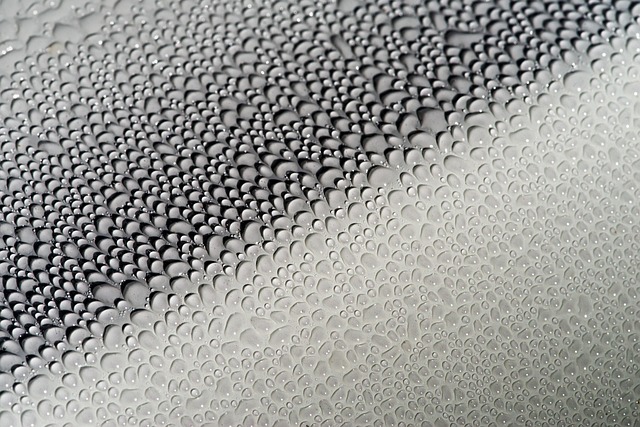
Manganese phosphate is a crystalline conversion coating created through a controlled reaction between manganese ions and phosphate salts on steel or iron substrates. The resulting layer contains manganese phosphate crystals interlocked within the surface matrix, often supported by accelerators that promote even crystal growth. The porosity of this layer allows for effective oil retention while providing mechanical interlocking that enhances adhesion to the base metal. The coating’s microstructure directly affects wear behavior and frictional response during engine operation.
Formation Process and Surface Preparation Requirements
For a uniform manganese phosphate layer, surface preparation is essential. Any trace of oil, oxide scale, or dirt can disrupt coating formation. Typically, degreasing and acid pickling are used to achieve a clean substrate before immersion in the phosphating bath. Bath parameters such as temperature (around 90°C), pH balance, and solution concentration determine the thickness and morphology of the resulting film. After phosphating, post-treatments like oil impregnation or sealing are applied to improve corrosion resistance and lubricity—critical for engine parts exposed to cyclic loads.
Functional Advantages of Manganese Phosphate Coating in Engine Durability
The durability of internal combustion engines depends heavily on how effectively surfaces resist wear and corrosion while maintaining lubrication under high stress.
Wear Resistance Enhancement in Moving Components
Manganese phosphate coating acts as a sacrificial layer that minimizes direct metal-to-metal contact in components like piston rings or cam lobes. The crystalline structure serves as a carrier for lubricants, lowering friction coefficients during sliding motion. This property reduces adhesive wear and scuffing during initial run-in periods when surfaces are most vulnerable. Over time, reduced friction translates into longer service life for critical components operating under high pressure or temperature conditions.
Corrosion Protection Under Harsh Operating Environments
Engines often operate in environments where moisture, combustion gases, or salt exposure accelerate oxidation. The manganese phosphate layer functions as a chemically stable barrier that slows down corrosion processes by isolating the substrate from oxygen and electrolytes. When combined with protective oils or greases, it provides long-term resistance against rust formation even in humid climates. This dual action—chemical passivation plus lubricant retention—makes it particularly valuable for heavy-duty engines used in marine or off-road applications.
Improved Lubricant Retention and Break-In Performance
The porous nature of manganese phosphate coatings enables them to trap lubricants effectively within their micro-cavities. During break-in periods of new engines or rebuilt assemblies, this feature ensures smoother mating between surfaces by maintaining consistent lubrication films under boundary conditions. As oil is gradually released from these pores during operation, it helps sustain low-friction contact zones even when hydrodynamic lubrication temporarily fails.
Application Areas Within Engine Systems
The versatility of manganese phosphate coatings allows their use across multiple engine subsystems where friction control and surface protection are vital.
Critical Components Benefiting from Phosphate Coating
Piston Rings and Cylinder Walls
Applying manganese phosphate on piston rings reduces scuffing during early operation stages while improving sealing efficiency between ring faces and cylinder walls. Controlled friction characteristics also help maintain optimal compression ratios over extended running periods.
Camshafts, Bearings, and Gears
Cam lobes and gear teeth benefit from uniform coating distribution that prevents localized fatigue failures caused by cyclic loading. The protective layer mitigates adhesive wear at contact points subjected to repeated shear stresses typical in valve trains or transmission assemblies.
Fasteners and Bolted Joints
Engine fasteners treated with manganese phosphate exhibit reduced galling during assembly due to improved lubricity at thread interfaces. Additionally, the coating stabilizes torque-tension relationships by minimizing friction variability—a key factor for maintaining joint integrity under vibration.
Comparative Analysis with Other Surface Treatments
Different phosphating systems offer distinct advantages depending on functional requirements such as wear resistance or paint adhesion.
Differences Between Manganese Phosphate and Zinc Phosphate Coatings
While both coatings serve as conversion layers for steel surfaces, manganese phosphate features denser crystal structures that deliver higher load-bearing capacity compared with zinc phosphate. In contrast, zinc-based coatings provide superior paint adhesion but lack the hardness needed for heavily loaded mechanical contacts. Therefore, selection depends on application priorities: engines favor manganese phosphate when mechanical durability outweighs decorative or anti-paint-corrosion needs.
Relationship Between Manganese Phosphate Coating and Nitriding Processes
Although both treatments strengthen surface layers, they operate through distinct mechanisms. Manganese phosphating involves chemical conversion at the metal interface forming insoluble crystals; nitriding diffuses nitrogen atoms into steel to form hard nitrides below the surface. When combined sequentially—nitriding followed by phosphating—the result is enhanced fatigue strength alongside improved lubricant retention due to complementary structural effects.
Quality Control and Performance Evaluation Methods
Consistency in coating quality determines how well treated components perform under service conditions; thus rigorous testing protocols are standard practice across manufacturers.
Testing Parameters for Coating Integrity
Thickness measurement via magnetic induction gauges or X-ray fluorescence provides quantitative control over process uniformity. Proper adhesion testing simulates operational stresses ensuring that coated layers remain intact after repeated thermal cycles or mechanical loads typical in engine environments.
Tribological Evaluation Techniques
Tribological assessments measure friction coefficients under controlled loads using pin-on-disk setups or reciprocating tribometers. Microscopic analysis of wear tracks reveals crystal distribution uniformity and degradation patterns after endurance tests—key indicators of long-term stability under dynamic motion.
Future Trends in Manganese Phosphate Technology for Engines
Research continues toward more sustainable formulations that meet tightening environmental regulations while retaining industrial performance standards.
Innovations in Eco-Friendly Formulations
Modern development focuses on reducing toxic additives traditionally used as accelerators in phosphating baths such as nitrites or heavy metals. New chemistries employ organic catalysts that deliver equivalent deposition rates but lower waste treatment burdens—a shift aligning with ISO 14001 environmental management principles adopted across automotive supply chains.
Integration with Advanced Lubrication Systems
Emerging trends explore synergy between manganese phosphate coatings and nano-additive lubricants containing molybdenum disulfide or graphene particles. These combinations enhance boundary lubrication properties beyond conventional oils alone. Researchers are also experimenting with self-healing coatings capable of closing micro-wear zones autonomously during operation—a promising direction toward maintenance-free engine surfaces over extended lifespans.
FAQ
Q1: What is the main purpose of applying manganese phosphate coating on engine parts?
A: It enhances wear resistance, improves lubricant retention, and offers corrosion protection without altering component dimensions.
Q2: Can manganese phosphate be applied to non-ferrous metals?
A: No, it is specifically designed for ferrous substrates like steel or cast iron since its chemical reaction depends on iron ions at the surface interface.
Q3: How thick is a typical manganese phosphate layer?
A: Thickness usually ranges from 5 to 15 micrometers depending on bath concentration and processing time required by specific component tolerances.
Q4: Does this coating affect heat transfer properties?
A: Only minimally; although it adds a thin insulating layer, its impact on overall thermal conductivity remains negligible compared with benefits gained from reduced friction losses.
Q5: Are there environmental concerns related to traditional phosphating baths?
A: Conventional systems may generate sludge containing heavy metals; however modern eco-friendly formulations significantly reduce waste toxicity through alternative accelerators and closed-loop filtration systems.


