
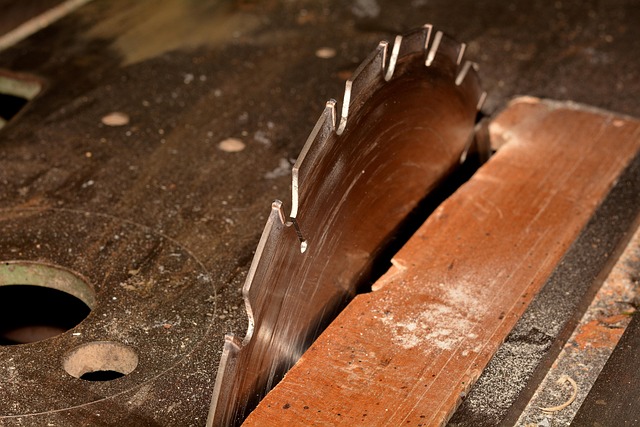
What Are the Main Types of Saws and How Do They Impact Precision Cuts
15 Types of Saws and What to Use Them For
Precision woodworking depends on the right saw for the right task. From manual hand tools to CNC-integrated systems, each type of saw defines how efficiently and accurately a craftsman can shape wood. The best results come from matching blade geometry, feed rate, and material behavior. This article explores fifteen types of saws used in fine woodworking, explaining their structure, function, and role within modern VCarve-style CNC workflows.
Overview of Saw Types in Precision Woodworking
The woodworking industry categorizes saws based on their power source and intended function. Each design reflects decades of refinement aimed at balancing accuracy with speed.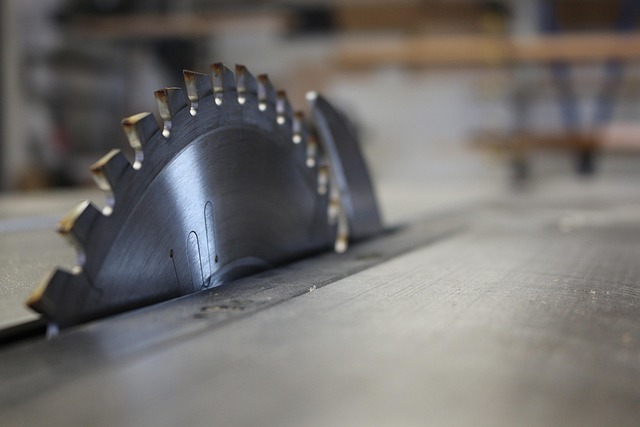
Classification of Saws by Function and Design
Saws fall into three broad categories: hand saws, power saws, and CNC-integrated saws. Hand saws excel in tactile control and delicate joinery work. Power saws dominate production shops where repeatability matters most. CNC-integrated systems combine cutting with digital precision, allowing automated toolpath execution. Each category suits specific materials—dense hardwoods, softwoods, or composite panels—and aligns with unique cutting requirements that influence both surface finish and dimensional stability.
The Relationship Between Saw Type and Material Behavior
Every wood species responds differently to the cutting process. Grain direction, moisture content, and resin levels affect how a blade engages the fibers. A fine-tooth crosscut blade slices cleanly across grain lines, while rip blades channel chips efficiently along the grain through deeper gullets. Blade geometry—especially rake angle and gullet depth—directly shapes chip evacuation and reduces burning on resinous woods. Choosing the right saw type minimizes wear on teeth and motors while improving overall accuracy.
Manual Saws and Their Role in Fine Detailing
Even in digital workshops, traditional hand tools remain irreplaceable for finishing details or correcting small deviations left by machines.
Crosscut, Rip, and Back Saws for Traditional Joinery
Crosscut saws feature alternating bevel teeth that sever fibers cleanly across the grain with little tear-out. Rip saws use chisel-shaped teeth to split fibers parallel to the grain efficiently. Back saws include a rigid spine that stabilizes the thin blade during delicate cuts like dovetails or tenons. In fine joinery work—especially restoration or furniture making—these hand tools offer tactile feedback no machine can replicate.
Precision Factors in Hand Tool Operation
Manual accuracy depends heavily on tooth set uniformity; inconsistent spacing widens the kerf unpredictably. Proper tensioning prevents blade wander during intricate cuts such as half-blind dovetails. Craftsmen often strop or joint their blades regularly to maintain consistent performance across projects. Skilled handling allows repeatable precision without relying on mechanical guides.
Power Saws: Efficiency and Control in Modern Workshops
Power-driven systems dominate professional woodworking because they balance throughput with control over cut geometry.
Table Saws and Miter Saws for Controlled Linear Cuts
A table saw’s flat surface supports long boards while its adjustable fence maintains straightness through repeated passes. Depth control enables partial grooves or dados without changing setups. Miter saws specialize in angled cuts used for frames or moldings; compound variants add bevel adjustment for complex geometries. Fence alignment calibration is critical—an error of even 0.1° can cause visible gaps in finished assemblies.
Band Saws and Scroll Saws for Complex Profiles
Band saws use continuous blades stretched over two wheels to cut curved outlines with minimal waste, ideal for resawing veneers or shaping chair legs. Scroll saws handle tighter radii through short reciprocating strokes controlled by foot pedal or electronic speed regulation. Selecting blades by TPI (teeth per inch) ensures smooth edges: coarse blades suit thick stock; fine ones excel on marquetry-grade veneers.
Specialized Saws for High-Tolerance Fabrication
High-precision fabrication environments rely on specialized machines designed for sheet goods or integrated digital workflows.
Panel Saws, Track Saws, and Sliding Table Systems
Panel saws process large sheets like MDF or plywood with consistent edge quality across repeated cuts. Track saws provide portability combined with guide-rail accuracy suitable for onsite cabinetry fitting or architectural panels. Sliding table systems extend table-saw functionality by allowing heavy panels to move smoothly along linear bearings—crucial when producing identical cabinet sides within ±0.2 mm tolerance.
CNC-Compatible Saw Configurations in Router-Based Environments
In advanced production lines, spindle-saw hybrids operate alongside routers under shared digital control systems. Digital calibration synchronizes spindle rotation with blade motion so both tools follow identical toolpaths defined by CAD/CAM data. Adaptive feed rate algorithms adjust motor torque dynamically when encountering denser sections of laminated stock, maintaining dimensional precision even under varying loads.
Impact of Saw Selection on Precision Cutting Outcomes
Selecting the correct blade profile has measurable effects on surface quality and tool longevity.
The Influence of Blade Geometry on Cut Accuracy
Tooth count governs finish smoothness: high TPI yields cleaner surfaces but slower feed rates; low TPI accelerates removal but risks splintering edges. Rake angle influences aggressiveness—positive angles bite deeply into softwoods while neutral angles maintain control on brittle veneers. Carbide-tipped blades hold sharpness longer than steel ones during extended runs, reducing vibration that could otherwise degrade tolerance consistency.
Workflow Optimization Through Toolpath Planning and Fixturing
Accurate fixturing locks material firmly against fences or vacuum beds during high-speed passes, preventing chatter marks or misalignment between sequential cuts. Toolpath sequencing also matters; cutting internal features before perimeter trimming avoids thermal distortion from accumulated heat along long edges. Integration with CAD/CAM platforms like Vectric’s VCarve allows simulation-based verification before physical cutting begins, improving predictability of final tolerances.
Integrating VCarve Workflows with Saw-Based Operations
CNC routers such as those driven by VCarve software expand what traditional sawing can achieve by adding contour routing to pre-cut stock preparation.
Aligning Router Strategies with Saw Capabilities in CNC Systems
VCarve workflows employ vector paths that define where router bits remove material relative to prior sawn edges. When combined within a hybrid setup—say a sliding table panel saw feeding a router station—the result is seamless transition from rough dimensioning to detailed engraving without reposition errors. Maintaining an organized tool database ensures both router bits and circular blades share compatible spindle speeds and feed rates across operations.
Job Types That Benefit from Hybrid Router-Saw Processes
Hybrid processes shine where both structural integrity and decorative detailing matter most.
Cabinetry Components Requiring Edge Accuracy
Cabinetmakers often start with straight-line rips using table or panel saws before routing dadoes or rabbets via VCarve-generated toolpaths. This sequence guarantees tight-fitting joints between carcass panels while keeping visible edges crisp after finishing coats.
Signmaking Applications Involving Layered Materials
In sign fabrication involving acrylic-faced MDF cores, rough sizing occurs on track saws followed by VCarve contour routing around letter shapes or logos. This combination prevents delamination at laminate boundaries while maintaining smooth outer profiles suitable for paint adhesion or LED embedding.
Furniture Parts Demanding Both Structural Cuts and Decorative Detailing
Furniture components like chair backs may first be shaped roughly on a band saw then refined using VCarve’s 3D relief routing routines to add carved motifs or ergonomic contours—all within one coordinate system referenced through shared datum points between machines.
FAQ
Q1: What determines whether a project should use manual or power-driven types of saws?
A: Manual tools suit fine detailing where tactile control outweighs speed; power-driven models handle repetitive production requiring consistent dimensions across many parts.
Q2: How does moisture content affect cutting performance?
A: High moisture softens fibers causing blade drag; seasoned wood cuts cleaner but generates more heat due to friction against drier surfaces.
Q3: Why do carbide-tipped blades last longer?
A: Carbide resists abrasion better than high-carbon steel allowing extended operation before resharpening becomes necessary.
Q4: Can VCarve software directly control sawing operations?
A: Not directly—it outputs G-code toolpaths primarily for routers but can synchronize positioning data used by integrated spindle-saw modules within hybrid CNC setups.
Q5: What safety factors are critical when switching between router bits and circular blades?
A: Always isolate power sources during changeovers; confirm correct rotational direction; verify clamping torque matches manufacturer specifications to avoid imbalance at operating RPM levels.


