
What Makes Door Ball Bearing Hinges Superior for Heavy-Duty Applications
Different Types of Hinges and Their Best Applications
In architectural hardware, hinge selection defines not only how a door moves but also how long it lasts. Among the many varieties, door ball bearing hinges stand out as the most reliable for heavy-duty and high-cycle applications. Their precision engineering, smooth operation, and durability make them essential in commercial and industrial environments. While standard butt hinges, spring hinges, and continuous hinges each serve specific roles, ball bearing hinges consistently deliver superior performance where stability and longevity are critical.
Understanding the Mechanics of Door Ball Bearing Hinges
Door ball bearing hinges operate on precise mechanical principles that combine strength with smoothness. They are designed to handle frequent use without deformation or noise.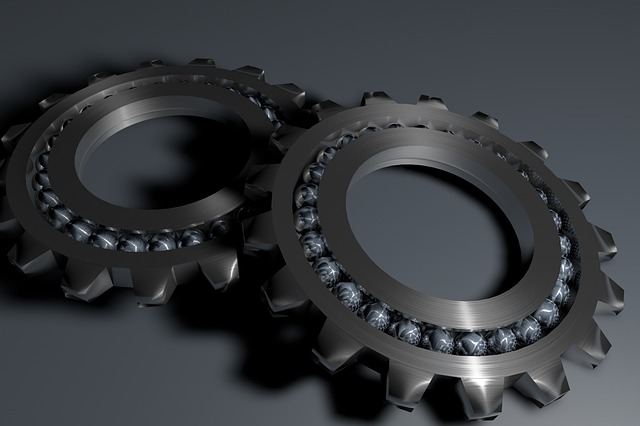
Structural Design and Functionality
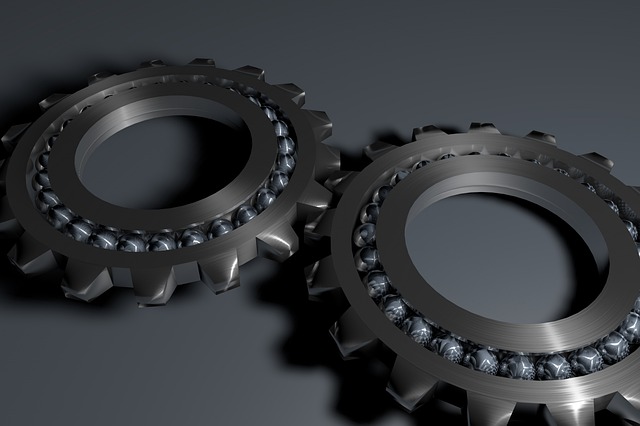
Ball bearing hinges incorporate small steel bearings between hinge knuckles to reduce friction. The bearings rotate freely as the door swings, allowing consistent movement even under heavy loads. This design ensures smoother operation than plain bearing models while distributing weight evenly across the hinge pin and leaf. By minimizing direct metal contact, wear is reduced significantly, extending service life.
Materials and Manufacturing Precision
High-quality door ball bearing hinges are typically made from stainless steel, brass, or hardened steel alloys. These materials resist corrosion and maintain structural integrity under stress. Manufacturers maintain tight tolerances during production to guarantee perfect alignment between leaves and pins. Finishes such as brushed stainless or powder coating further protect against environmental degradation, which is vital in coastal or humid conditions.
Corrosion-Resistant Finishes Enhance Longevity
Beyond material choice, surface treatment determines how well a hinge endures environmental stressors. Electroplated finishes or passivated stainless steel layers prevent oxidation. In marine facilities or exterior doors exposed to rain and salt air, such coatings can double the hinge’s operational lifespan.
Comparing Ball Bearing Hinges with Other Hinge Types
Different hinge types serve distinct mechanical needs. Comparing them clarifies why ball bearing hinges dominate in professional installations requiring durability and precision.
Standard Butt Hinges vs. Ball Bearing Hinges
Standard butt hinges rely on direct metal-to-metal contact between knuckles and pins. Over time, this friction leads to squeaking and faster wear. In contrast, ball bearing hinges maintain smooth motion through thousands of cycles because their bearings isolate moving parts from abrasion. The reduced friction not only cuts maintenance frequency but also keeps door movement quiet—an important feature in offices or medical centers.
Spring Hinges and Continuous Hinges in Context
Spring hinges include built-in tension mechanisms that automatically close doors after opening. They are convenient for fire-rated or self-closing applications but less suited for heavy doors that operate continuously throughout the day. Continuous or piano hinges run along the entire door length, offering excellent load distribution but requiring more complex installation due to their size. Ball bearing hinges strike a balance: they carry substantial weight yet remain easy to fit using standard mortises.
Aesthetic Considerations Alongside Functionality
While performance drives most specifications, aesthetics often influence final selection. Ball bearing hinges provide a clean architectural appearance with visible symmetry when mounted on commercial-grade doors—something continuous hinges can obscure due to their full-length design.
Performance Benefits in Heavy-Duty Applications
When fitted correctly, ball bearing hinges transform how heavy doors behave under repeated use.
Load-Bearing Capacity and Stability
Engineered for high-frequency openings such as those found in schools or airports, these hinges maintain alignment even when supporting solid-core or metal doors exceeding 100 kilograms. The bearings prevent sagging by carrying vertical loads efficiently across multiple pivot points. This stability protects both frame integrity and latch alignment over years of service.
Operational Smoothness and Noise Reduction
Because rolling bearings replace sliding friction with rotational motion, door movement remains fluid with minimal effort. This mechanical advantage reduces strain on users while eliminating creaks common with standard butt designs. In environments like hospitals where silence matters, this quiet operation enhances comfort without extra maintenance effort.
Reduced Strain on Door Frames
Smooth pivoting action lessens torsional forces transmitted to screws and jambs during operation. Over time this prevents loosening hardware—a frequent issue in high-traffic corridors—and maintains consistent closing pressure against seals or latches.
Durability Factors Influencing Longevity
Durability defines cost efficiency over time more than initial purchase price does.
Resistance to Environmental Stressors
Stainless steel variants resist rust formation even when exposed to humidity or cleaning agents common in institutional settings. Temperature fluctuations from freezing winters to hot summers do not distort properly manufactured ball bearing assemblies. Protective coatings add another layer of defense against chemical exposure or airborne pollutants typical of industrial zones.
Maintenance Efficiency Over Time
One hallmark advantage lies in minimal lubrication needs thanks to self-lubricating bearings sealed within the knuckle assembly. Facilities experience fewer service interruptions since these components rarely require adjustment once installed correctly. For large properties managing hundreds of doors, predictable performance translates into lower total ownership costs over years of operation.
Predictable Wear Patterns Aid Planning
Because wear occurs uniformly rather than at concentrated points, facility managers can schedule replacements systematically rather than reactively—an important aspect of preventive maintenance planning in large complexes.
Engineering Considerations for Installation and Selection
Proper specification determines whether a hinge performs as intended throughout its lifespan.
Selecting the Appropriate Hinge Size and Grade
Hinge sizing depends on door dimensions, weight distribution, usage frequency, and exposure conditions. Industry standards such as ANSI/BHMA A156 series classify ball bearing hinges by grade level—from light residential use (Grade 3) up to severe commercial duty (Grade 1). Selecting an undersized hinge often causes premature sagging; overspecifying increases cost unnecessarily without functional gain.
Installation Techniques for Optimal Performance
Precision alignment during installation prevents uneven load transfer that could damage bearings prematurely. Installers should verify screw depth consistency using fasteners compatible with both frame material and hinge composition—stainless screws for stainless leaves prevent galvanic corrosion reactions over time.
Regular Inspection Schedules Maintain Quality
Periodic checks every few months catch early signs of loosening screws or misalignment before they escalate into operational issues such as binding doors or uneven closing pressure.
Application Scenarios Across Industries
Ball bearing hinges find diverse applications across sectors where reliability meets functionality demands.
Commercial and Institutional Settings
They are common in schools, hospitals, office towers, government buildings—anywhere doors open hundreds of times daily. Their quiet function suits patient rooms or conference areas where noise control supports productivity or recovery environments alike.
Industrial and Specialized Environments
In factories or warehouses with heavy metal security doors subject to vibration from machinery, these hinges withstand constant stress without deformation. Dust-sealed variants continue performing smoothly even amid abrasive particles suspended in air—conditions that quickly degrade ordinary butt designs.
FAQ
Q1: What distinguishes door ball bearing hinges from regular butt hinges?
A: They contain small steel bearings between knuckles that reduce friction dramatically compared to plain contact surfaces found in standard butt designs.
Q2: Are stainless steel ball bearing hinges suitable for outdoor use?
A: Yes, stainless models resist corrosion from moisture and temperature changes making them ideal for exterior installations including coastal regions.
Q3: How many ball bearing hinges should be used per door?
A: Typically three per standard-height door; heavier units may require four depending on weight distribution guidelines outlined by ANSI/BHMA standards.
Q4: Do these hinges need frequent lubrication?
A: No, most come pre-lubricated with sealed bearings requiring little maintenance beyond periodic inspection for tightness.
Q5: Can ball bearing hinges be retrofitted onto existing frames?
A: Yes if mortise dimensions match existing cutouts; otherwise minor carpentry adjustments allow straightforward replacement without altering overall frame structure.


