
Was The Charging Bull Statue Defacement A Symbolic Act Or A Crime
Man Charged With Defacing NYC’s Charging Bull Statue
The Charging Bull statue has long stood as a potent emblem of New York’s financial spirit, yet its defacement has reignited debate about the intersection of art, protest, and legality. The man charged with damaging this iconic sculpture did more than mar bronze—he exposed deep cultural tensions surrounding capitalism and public expression. This article examines the historical roots of the statue, its symbolic weight in global finance, and how acts of defacement challenge both artistic meaning and civic order.
Historical and Cultural Significance of the Charging Bull Statue
Public sculptures often carry layers of meaning that evolve with time, and few illustrate this better than the Charging Bull. Before analyzing its recent defacement, it is essential to revisit its origins and role in shaping cultural discourse within urban spaces.
Origins and Artistic Intent
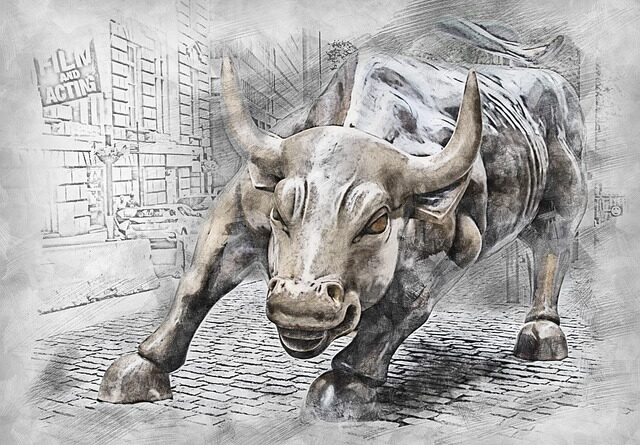
The Charging Bull statue was created by Italian-born artist Arturo Di Modica in 1989 as a self-funded project symbolizing strength and optimism following the 1987 stock market crash. Installed without city permission near the New York Stock Exchange, it quickly became an unofficial monument to financial resilience. The artist intended it as a gift to the people—a representation of America’s capacity to recover from economic turmoil through determination and vitality. Over time, however, public interpretation shifted: tourists saw it as good luck, investors saw it as bullish market sentiment, while critics viewed it as glorifying unchecked capitalism.
The Charging Bull as a Cultural and Economic Icon
The statue transcended its physical form to become a global shorthand for capitalist ambition. It appears in financial media worldwide whenever markets surge or falter. In urban art circles, it sparked debates about ownership of public space—whether art should serve collective identity or corporate imagery. As cities increasingly commodify their landmarks for tourism, the Charging Bull embodies both civic pride and unease about economic inequality. Its bronze sheen reflects not only Wall Street’s optimism but also society’s ambivalence toward power concentrated in financial institutions.
Understanding Acts of Defacement in Public Art
Defacing public art is rarely a simple act of vandalism; it often carries political or moral undertones that test boundaries between expression and law. Examining these distinctions clarifies why such incidents provoke intense reactions across legal, artistic, and social spheres.
Legal Definitions and Interpretations of Defacement
Under New York penal law, defacement constitutes criminal mischief involving damage to another’s property without consent. Public artworks fall under municipal protection statutes that classify intentional alteration as vandalism unless authorized by relevant cultural agencies. Legal precedent distinguishes between protest art—symbolic actions intended to critique—and mere destruction lacking expressive intent. For instance, courts have occasionally weighed artistic merit when assessing penalties for interventions on monuments or murals deemed politically motivated rather than maliciously destructive.
Symbolic Expression Versus Criminal Conduct
Freedom of expression protects dissent but not physical harm to public property. When protesters target artworks like the Charging Bull to convey anti-capitalist messages, intent becomes central: if the act seeks dialogue rather than destruction, some argue it occupies a gray zone between activism and crime. Context matters—the same gesture may be interpreted differently amid economic unrest versus routine protest seasons. Societal response often determines whether such actions are remembered as statements or offenses; media framing plays a decisive role in shaping that narrative.
The Defacement Incident: Contextual Analysis
Recent reports indicate that the individual charged allegedly splashed paint over the Charging Bull during early morning hours, citing frustration with corporate greed as motivation. The event drew swift police action and polarized commentary across digital platforms. To assess its implications fully requires exploring multiple interpretive lenses—artistic, legal, and sociopolitical.
Circumstances Surrounding the Act
Witness accounts describe the act occurring before dawn when foot traffic was minimal. Within hours, images circulated online showing streaks of color dripping down the bull’s head—a deliberate visual disruption against its polished surface. Statements attributed to those involved referenced “resistance against financial oppression.” Media coverage varied: some outlets framed it as senseless vandalism; others contextualized it within broader economic protests echoing movements like Occupy Wall Street or climate activism targeting corporate symbols.
Interpretations from Different Perspectives
Artistic Interpretation
Curators might interpret this defacement as counter-symbolism—a spontaneous critique transforming an emblem of dominance into one of vulnerability. Art historians often note that interventions on famous works generate new dialogues about authorship and meaning rather than merely erasing value.
Legal Interpretation
From a statutory standpoint, however, such actions remain prosecutable offenses under property damage laws regardless of motive. Courts generally prioritize preservation over interpretation when dealing with city-owned installations.
Sociopolitical Interpretation
Sociologists view these incidents as reflections of widening discontent over wealth disparity and institutional distrust. By attacking an icon so tied to Wall Street identity, protesters signal rejection not just of policy but ideology itself—a visual rebellion against systemic imbalance.
The Role of Public Art in Political Discourse
Public sculptures frequently become arenas where societal values clash openly. The Charging Bull case underscores how art can both unite civic pride and expose fractures within collective consciousness about economy and justice.
Art as a Medium for Protest and Commentary
Throughout history—from graffiti on Berlin Wall segments to interventions on colonial statues—public art has served as canvas for dissenting voices. Defacement can paradoxically amplify relevance by forcing reevaluation rather than annihilation of meaning. Yet ethical questions persist: does altering shared heritage disrespect communal memory? Many argue that responsible protest should engage symbolically without permanent harm.
Public Reaction and Institutional Response
Community sentiment following such acts tends to split sharply: preservationists demand restoration while activists defend expressive legitimacy. City authorities typically commission immediate cleaning or repair through cultural departments; museums sometimes document traces before removal for archival study. These responses reveal evolving notions of ownership—whether public art belongs equally to all citizens or remains under custodial guardianship.
Broader Implications for Law, Art, and Society
Balancing creative freedom with civic duty remains one of modern urban life’s enduring challenges.
Balancing Artistic Freedom With Legal Accountability
Legal frameworks could evolve toward mediation-based models allowing symbolic protest zones around high-profile artworks while maintaining penalties for irreversible damage. Such reforms would affirm free speech without compromising preservation standards vital to cultural continuity.
Reflection on Symbolism in Contemporary Urban Spaces
The Charging Bull continues provoking debate decades after installation because its symbolism adapts with each generation’s anxieties about wealth concentration and resilience narratives. In today’s climate-conscious economy questioning perpetual growth models, even bronze can feel contentious—a reminder that material icons never remain static once embedded in living cities.
FAQ
Q1: Why was the man charged after defacing the Charging Bull statue?
A: He faced charges under New York laws prohibiting intentional damage to public property classified as protected artwork.
Q2: What does the Charging Bull symbolize?
A: It represents financial strength, optimism after crisis periods like 1987’s crash, and enduring belief in market recovery.
Q3: Has the statue been targeted before?
A: Yes, previous acts included minor paint splashes or activist installations nearby highlighting gender or environmental issues.
Q4: How do authorities handle restoration after defacement?
A: City maintenance teams coordinate with conservation experts to remove substances carefully without altering patina or structural integrity.
Q5: Why does this incident matter beyond vandalism charges?
A: Because it exposes ongoing tensions between capitalism’s celebration through art and citizens’ urge to challenge systems they view as unjust through visible protest acts.


