
What Makes 2 1 2 Black Iron Pipe Essential for NYC Radiator Systems
6 Things You Really Need to Know About Your NYC Radiators
New York City’s prewar buildings still rely on steam heat systems that date back more than a century. The backbone of these systems is the 2 1/2 black iron pipe, a material and size combination that has proven remarkably durable. Its dimensions balance flow and pressure for multi-unit buildings, while its composition withstands decades of high-temperature steam cycles. For building engineers, knowing how these pipes were designed, maintained, and coded into city infrastructure reveals why they continue to perform today and how they can adapt to modern energy goals.
The Role of 2 1/2 Black Iron Pipe in NYC Radiator Systems
Steam heating in New York City is both an engineering legacy and a practical challenge. The 2 1/2 black iron pipe remains central because it matches the physical demands of dense residential construction while fitting within long-established design standards.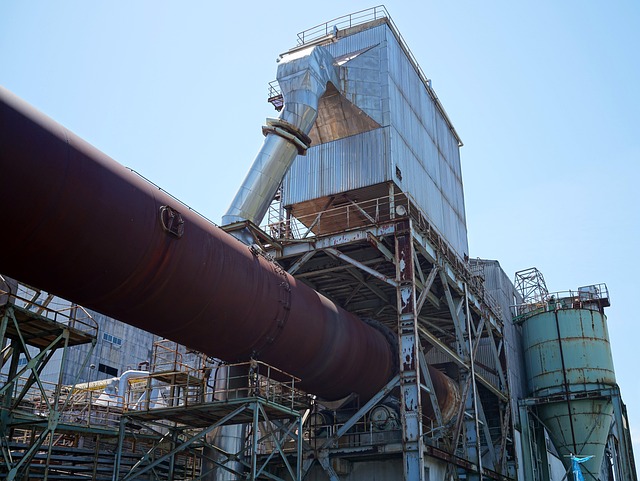
Historical Context of Steam Heating Infrastructure in New York City
The earliest steam systems appeared in Manhattan during the late 19th century when coal-fired boilers powered entire buildings. These installations standardized around threaded black iron piping, which could handle high pressures without the brittleness of early cast iron. By the 1920s, this networked approach allowed uniform heating across multi-story apartments, hospitals, and schools. The choice of black iron was not arbitrary; it offered machinability for threading and resistance to thermal shock, critical for daily heating cycles in winter months.
Why 2 1/2 Inch Diameter Became a Standard in Radiator Systems
The 2 1/2‑inch diameter emerged as a practical standard because it balanced flow rate with manageable pressure drop over vertical risers. In typical prewar layouts, this size could distribute steam evenly across multiple radiators without excessive noise or water hammer. Building codes later reinforced its use by defining minimum wall thicknesses and allowable working pressures for steam service lines. Engineers also found that this diameter aligned well with radiator inlet sizing, simplifying installation and ensuring predictable load distribution throughout large apartment stacks.
The Legacy of Black Iron as a Material Choice for High‑Pressure Steam Distribution
Black iron’s endurance lies in its metallurgical simplicity: low carbon steel with an oxide coating that protects against mild corrosion. In contrast to galvanized steel, which can flake under heat, black iron forms stable surface layers even after decades of exposure to saturated steam. This made it ideal for both mains and risers where condensation cycles constantly stress joints and fittings.
Material Characteristics of Black Iron Pipe
The mechanical behavior of black iron defines its reliability. For NYC’s aging infrastructure, understanding its limits helps predict maintenance needs and retrofit feasibility.
Composition and Mechanical Properties
Black iron is essentially uncoated mild steel containing about 0.05–0.25% carbon. This low carbon content allows flexibility under pressure while maintaining tensile strength above 300 MPa. Compared with copper or PEX alternatives, it tolerates higher temperatures without deformation or creep. Galvanized steel offers better corrosion resistance but performs poorly under repeated thermal cycling due to zinc layer degradation at elevated temperatures.
Durability Under Steam Pressure and Temperature Variations
Typical operating conditions for NYC steam systems range between 215–230°F with pressures from 5–15 psi in residential setups. Black iron resists oxidation up to roughly 900°F before scaling becomes problematic. Over time, internal scaling can occur if condensate pH drops below neutral; however, proper venting and blowdown procedures minimize such effects. When maintained correctly, these pipes often exceed 70 years of service life before significant thinning occurs.
Thermal Expansion Coefficients Relevant to Steam System Operation
The linear expansion coefficient of black iron averages around 12×10⁻⁶ per °F—important for designing expansion joints or swing arms in long runs. Without compensation, thermal growth can strain threaded joints or misalign risers between floors.
Engineering Considerations for System Design and Retrofitting
Modern retrofits must reconcile old materials with new control technologies while preserving hydraulic stability across existing networks.
Pressure Drop and Flow Rate Calculations for 2 1/2 Inch Lines
Mechanical engineers calculate flow using Darcy–Weisbach equations adjusted for two-phase flow since steam condenses along the line. A properly sized 2 1/2‑inch main maintains velocity below erosion thresholds (typically under 100 ft/s) while providing enough volume for condensate return through gravity drainage. Pipe length, number of elbows, and elevation differences all influence required boiler pressure settings to maintain even radiator output across upper floors.
Integration with Existing Distribution Networks
Replacing sections within legacy systems presents alignment challenges because older threads may differ from current NPT standards due to wear or re-threading over decades. Thread sealants must tolerate high temperature; traditional red lead compounds have been replaced by PTFE-based alternatives rated above 400°F. Coordination with electrical conduits or sprinkler mains is essential during retrofits since clearances are often tight in prewar basements.
Threading, Joining, and Sealing Methods Ensuring Leak‑Free Connections
Threaded couplings remain standard practice though welded joints appear in newer installations where access allows. Dielectric unions are used when connecting dissimilar metals like copper branches to prevent galvanic corrosion—a common issue when partial modernization introduces mixed materials.
Compliance with NYC Building Codes and Standards
Regulatory compliance shapes every phase from design through inspection. NYC’s mechanical code closely follows ASME B31 standards governing pressure piping safety factors.
Relevant Plumbing and Mechanical Code Provisions
Local Law requirements mandate that all steam distribution piping meet ASTM A53 Grade B specifications or equivalent materials approved by the Department of Buildings (DOB). Safety factors typically apply at four times the maximum operating pressure for residential systems to account for transient surges during startup cycles.
Inspection, Testing, and Certification Procedures
Before commissioning new installations or major repairs, hydrostatic tests at one-and-a-half times design pressure verify structural integrity per ASME Section VIII guidelines. Documentation includes test certificates signed by licensed professional engineers along with DOB inspection reports required for occupancy permits or insurance renewals.
Maintenance Practices for Longevity of Black Iron Steam Piping
Routine maintenance determines whether century-old systems continue performing efficiently or fail prematurely due to neglect.
Preventive Maintenance Strategies in Multiunit Buildings
Annual inspections should target threaded joints near boilers where expansion stress concentrates most heavily. Condensate traps must be cleaned regularly since clogged returns accelerate internal rusting by holding water against pipe walls. Proper venting on each radiator prevents uneven heating that otherwise increases strain on upstream mains.
Repair Techniques Without Full System Replacement
When leaks occur, sectional replacement using union fittings minimizes disruption compared with full riser replacement. In inaccessible shafts, epoxy-lined sleeves sometimes extend service life temporarily though permanent repair still requires metal replacement once access improves.
Use of Dielectric Unions to Mitigate Galvanic Corrosion When Mixing Materials
During modernization projects combining copper branches with existing black iron mains, dielectric unions isolate metals electrically to stop galvanic reactions driven by moisture-laden environments typical in boiler rooms.
Future Outlook: Balancing Tradition with Modern Efficiency Goals
NYC’s commitment to emissions reduction drives interest in hybrid solutions that retain durable infrastructure while improving control precision through digital upgrades.
Upgrading Legacy Systems While Preserving Core Infrastructure Integrity
Smart thermostatic valves allow zone-level modulation without altering main pipe geometry or flow characteristics—a cost-effective way to reduce overheating complaints common in prewar apartments while keeping original black iron risers intact.
Evaluating Hybrid Solutions Combining Black Iron Mains With Modern Branch Materials
Engineers increasingly specify stainless-steel flex connectors or PEX-al-PEX branches off existing mains where permitted by code. These materials simplify installation yet depend on stable mainline performance provided by the original black iron network.
Sustainability Implications for Continued Use of Black Iron Pipe in NYC Buildings
From a lifecycle standpoint, retaining serviceable black iron reduces embodied energy compared with full replacement using new metals or plastics. Regular maintenance further extends lifespan beyond typical depreciation schedules—an understated sustainability advantage rarely captured in energy audits but meaningful over decades of operation.
FAQ
Q1: Why do most NYC radiators still use black iron pipes?
A: Because they were originally installed during early steam system development when black iron offered unmatched durability under high heat and pressure conditions still relevant today.
Q2: Can modern materials fully replace old black iron lines?
A: Technically yes, but cost and compatibility issues often favor partial upgrades rather than complete replacements unless structural renovation is already planned.
Q3: How long does a well-maintained 2 1/2 black iron pipe last?
A: With proper condensate management and insulation upkeep, many exceed seventy years before needing major intervention.
Q4: What causes banging noises in radiator pipes?
A: Usually trapped condensate causing water hammer due to improper slope or blocked vents rather than pipe failure itself.
Q5: Are there energy benefits from upgrading controls instead of replacing pipes?
A: Yes—smart thermostats and vent balancing can cut fuel use significantly without disturbing existing piping networks that remain structurally sound.


